In the world of water purification, two names often arise in conversation: deionized water (DI water) and distilled water. While both play crucial roles in various applications, from laboratory settings to industrial processes, they possess distinct characteristics that set them apart. This brings forth an intriguing challenge: how well do you truly know the differences between DI water and distilled water? Grab your metaphorical magnifying glass, and let’s embark on a tantalizing journey to uncover the nuances of these purified water forms.
Understanding the Basics
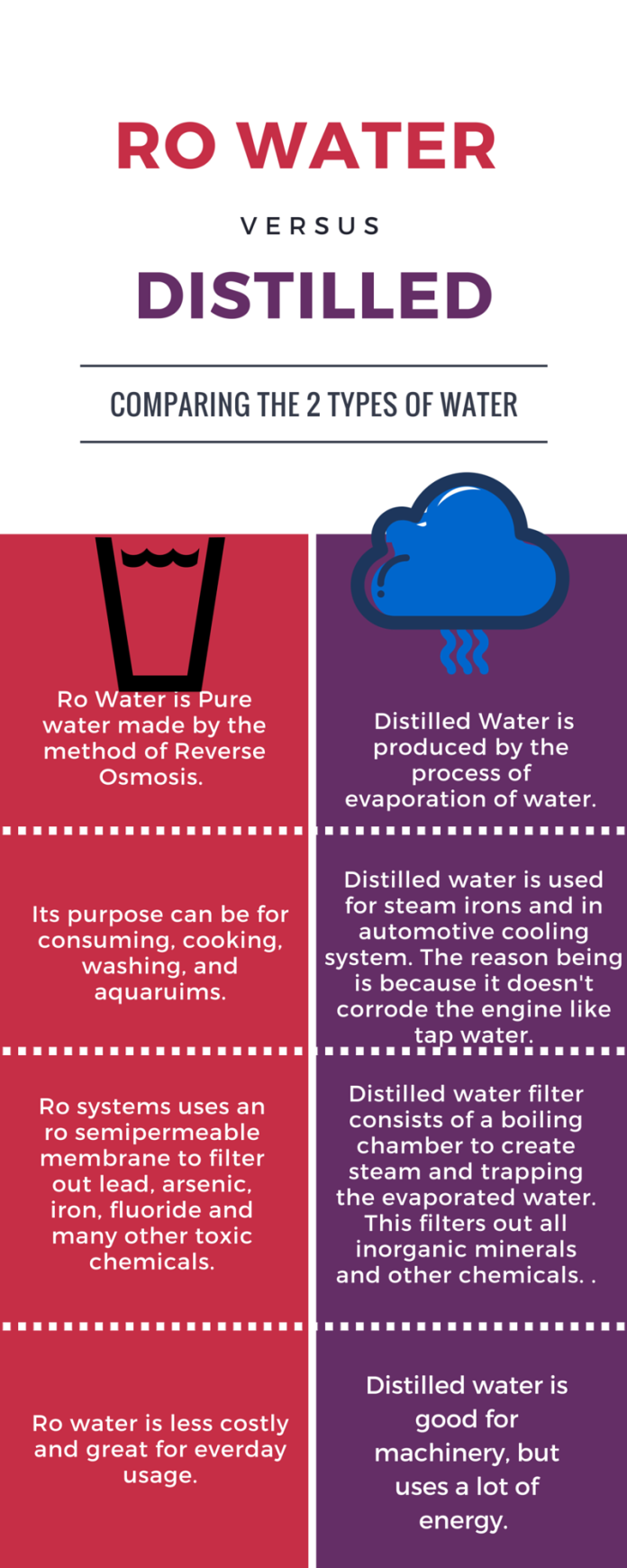
At the heart of the discussion lies the fundamental composition of DI water and distilled water. Both are purified forms of water, yet the methods of purification diverge significantly. DI water undergoes a process called deionization, which involves the removal of ionic impurities through ion exchange resins. This results in water that has had virtually all of its charged particles, such as ions from salts and minerals, eradicated. Conversely, distilled water is produced through the process of distillation, where water is heated to its boiling point. The steam generated is collected and condensed back into liquid form, leaving behind contaminants and impurities.
One intriguing question arises: what does this mean for the purity and uses of each type of water? To unravel this, we delve into the unique attributes of each purification method.
Purification Processes: A Deeper Dive
The methodologies used to produce DI and distilled water directly influence their chemical and physical properties. In deionization, the presence of ion exchange resins creates a water solution devoid of ions. This level of ion removal makes DI water particularly desirable in high-purity applications, such as electronics manufacturing and laboratory experiments. Imagine a pristine environment where even the slightest ionic presence could disrupt a sensitive reaction. Here, DI water shines.
On the other hand, the distillation process serves to eliminate non-volatile impurities along with many types of dissolved solids. It’s effective against pathogens, heavy metals, and other contaminants. Although distilled water does not have the same ionic free status as DI water, it is effectively sanitized, making it suitable for purposes such as reconstitution of medications and even in some culinary applications. Distilled water often finds itself filling the teacups of tea enthusiasts who relish its purported purity.
Chemical Composition: The Essentials
When comparing DI and distilled water, one must consider their chemical characteristics. DI water is characterized by its lack of ions, resulting in a neutral pH, yet it can be susceptible to absorption of atmospheric gases which may slightly alter its acidity. This quality renders it less stable than distilled water in certain contexts.
Meanwhile, distilled water typically maintains its purity over time, exhibiting a consistent chemical profile due to the distillation process. Its relatively neutral pH and absence of impurities or contaminants make it versatile across different uses. However, a question lingers: does the lack of minerals in both forms of purified water pose potential health implications, especially when consumed as drinking water? This is a topic of ongoing debate among health professionals.
Applications: Areas of Use
For those pondering the everyday applications of DI water and distilled water, the practical implications are both fascinating and vital. DI water predominates in sectors demanding exceptional purity standards. Industries such as electronics, pharmaceuticals, and biochemical experiments utilize DI water to mitigate any risk of reaction complications due to impurities. The precision required in these fields often precludes any water source that isn’t meticulously refined.
In contrast, distilled water caters more to domestic and lighter industrial applications. It is often found in steam irons, car batteries, and aquariums where mineral buildup can be deleterious. Moreover, many people opt for distilled water for drinking or cooking, believing it to be a healthier alternative. However, the absence of beneficial minerals such as calcium and magnesium in distilled water can lead to questions regarding dietary adequacy.
Environmental Considerations
As we tread deeper into the ecological implications of DI water and distilled water, it’s evident that the processes employed also raise environmental considerations. The production of DI water can generate chemical waste, particularly from ion exchange resins that need periodic regeneration. Conversely, the distillation process is energy-intensive due to the heating requirement but produces minimal waste. Therefore, sustainability choices may influence which type of water is favored in particular regions and industries.
Conclusion: Which One Reigns Supreme?
In conclusion, the dichotomy of DI water and distilled water reveals a spectrum of characteristics and applications that warrant contemplation. Ultimately, the choice between the two depends not solely on purity but on context and application. While the question of which water takes the crown may seem playful, the implications of their differences extend into various industries and personal choices. It is crucial to weigh the specific needs of your application—whether that be scientific, culinary, or environmental—when making the decision. A deeper understanding empowers us to navigate the intricacies of water purification far beyond the mere quenching of our thirst.









Leave a Comment