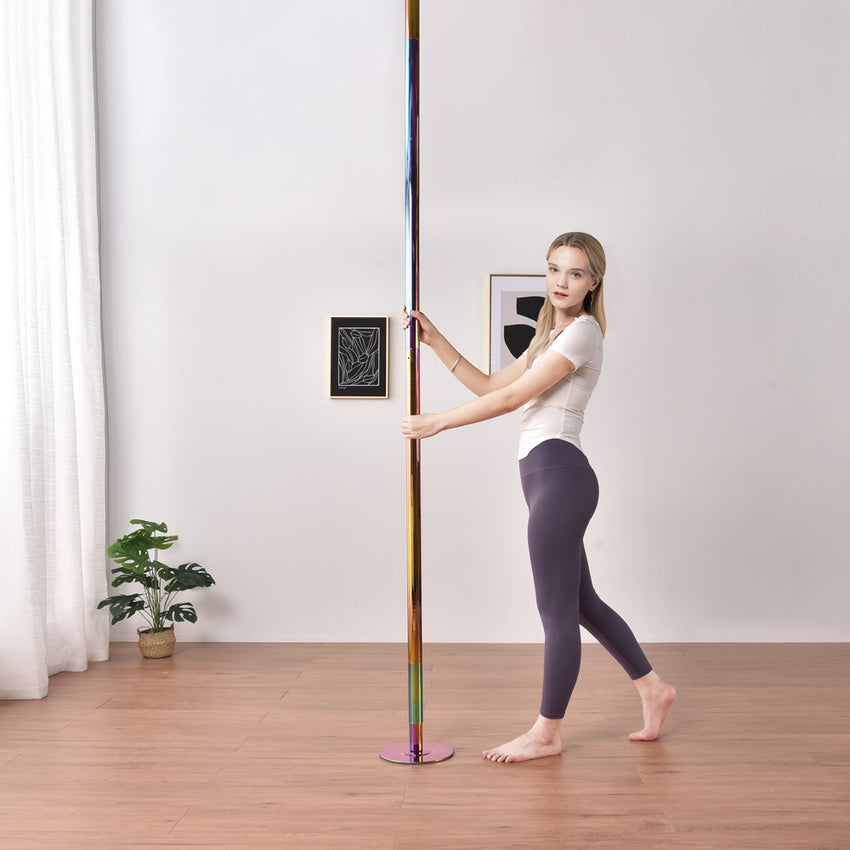
Strip poles epitomize a unique blend of art and athleticism, frequently dominating the ambiance of nightclubs and performances. One intriguing aspect of these poles is their ability—or lack thereof—to spin, which has significant implications for pole dancers in terms of performance style, technique, and artistry. This article delves into the world of spinning and static poles, providing a comprehensive exploration of the subject matter.
To embark on this intriguing journey, we first need to understand the fundamental differences between these two types of poles. While the static pole remains motionless, the spinning pole rotates freely, presenting a dynamic platform for creativity and expression. Each type brings its own techniques, advantages, and unique challenges to the art of pole dancing.
1. Understanding Static and Spinning Poles
Static poles are fixed in place and provide a reliable, sturdy anchor for dancers. This stability is essential for executing power moves and holds, allowing for strength-based tricks that rely on the dancer’s grip and body mechanics. In contrast, spinning poles incorporate a rotating mechanism at the base, turning with the dancer’s movements. This adds a layer of complexity, allowing for a more fluid and dynamic style, though it also requires heightened control and balance.
2. Mechanisms of a Spinning Pole
The spinning mechanism typically operates through a bearing system situated at the base of the pole. This allows for a smooth rotation, which can be initiated by the dancer’s momentum or strength. Different types of materials used in manufacturing can influence the spinning experience, with chrome, stainless steel, and powder-coated finishes each providing distinct tactile feedback. Understanding the mechanics behind spinning poles helps dancers select the right equipment for their performances.
3. The Benefits of Spinning Poles
For many dancers, the allure of spinning poles lies in their ability to create mesmerizing visual effects. The graceful whirling motion enhances beauty and fluidity, transforming basic moves into captivating performances. Additionally, spinning poles enable dancers to incorporate spins and transitions that are difficult or impossible to achieve on static poles, broadening the creative repertoire available. Furthermore, as dancers gain experience, spinning can contribute to improved core strength and balance.
4. Challenges Posed by Spinning Poles
While spinning poles offer numerous benefits, they also present unique challenges. The primary concern for dancers is the need for refined control and technique. Novices may find it challenging to maintain grip and balance as the pole rotates, leading to a steeper learning curve. Additionally, timing becomes crucial, as spins can rapidly alter the dancer’s position and orientation. The coordination between initiating spins and executing tricks demands practice and precision, requiring a nuanced understanding of body mechanics.
5. The Technical Terminology
In the pole dancing community, understanding specific jargon can greatly enhance one’s performance and communication with fellow dancers. Terms like “aerial techniques,” “transitional movements,” and “grip techniques” take on significant importance in discussions regarding spinning poles. Mastery of these concepts helps to articulate the intricacies involved in various spins while fostering camaraderie among practitioners.
6. Training Techniques for Mastering Spinning
To excel in spinning pole techniques, dancers often employ an array of training strategies. Starting with foundational strength training allows individuals to build the necessary muscles for grip and stability. Moreover, incorporating flexibility drills can enhance fluidity of movement, which is crucial for spinning. Engaging in controlled practice sessions on both static and spinning poles allows dancers to develop a personal style while exploring diverse techniques. Additionally, attending workshops or joining local pole dancing communities can provide invaluable insights and feedback from seasoned professionals.
7. The Artistic Expression Inherent in Spinning
Beyond its physical demands, spinning pole dancing serves as an art form that conveys emotional narratives through movement. Dancers often choreograph sequences that leverage the hypnotic effects of spinning, allowing the audience a glimpse into their artistic vision. The artistic aspect is paramount, as it transforms technique into performance, evoking emotions and creating connections with spectators. Understanding this artistry enhances both the performer’s experience and the audience’s appreciation.
8. Safety Considerations
As with any physical endeavor, safety must remain a priority when practicing on spinning poles. Proper warm-ups and cool-downs mitigate the risk of injury, while ensuring that equipment is well-maintained is paramount for safe practices. Dancers should also be cognizant of their surroundings, as spinning too close to walls or other dancers can lead to perilous situations. Developing a safety-first mentality fosters longevity in practice and reinforces the importance of self-care for dancers.
Conclusion
In summary, whether a dancer chooses a static or spinning pole, each has its distinct flavor, offering a divergent approach to the art of pole dancing. Understanding the mechanics, techniques, and artistry involved in spinning poles unveils a whole new realm of creative possibility. Enthusiasts can find joy and fulfillment in both the challenges and triumphs presented by spinning poles, continuing to push the boundaries of their craft. Ultimately, the choice between spinning and static culminates in a personalized exploration of expression, strength, and rhythm that defines the beauty of pole dancing.









Leave a Comment