Spiders: those eight-legged arachnids that evoke a spectrum of emotions from fascination to fear. While many people appreciate spiders for their role in controlling pest populations, others are less inclined to share their space with these creatures. This leads to the question: Does diatomaceous earth, a natural substance often touted for pest control, truly kill spiders? And if so, how effective is it? Let’s explore this intriguing conundrum.
Diatomaceous earth (DE) is a sedimentary rock composed primarily of the fossilized remains of diatoms, a type of hard-shelled algae. When crushed into a fine powder, it boasts remarkable properties. But, considering that our focus is on the spider situation, the salient point to ponder is how this crunchy powder interacts with our eight-legged friends.
To fully grasp the impact of diatomaceous earth on spiders, it is imperative to examine its mechanism of action. When spiders come into contact with DE, the powder adheres to their exoskeletons. The abrasive nature of diatomaceous earth effectively scratches and damages their outer protective layer. Consequently, this leads to dehydration, as the critters lose moisture and ultimately perish. The process is not instantaneous; however, the end result is undeniably lethal.
However, not all spiders are equal in their susceptibility to this method of extermination. Various species exhibit different behaviors and physical characteristics, which can influence their reaction to DE. For instance, larger, fuzzier spiders might find it more challenging to navigate through diatomaceous earth compared to smaller, sleeker varieties. Hence, while DE can pose a formidable threat to certain spiders, it may not indiscriminately eliminate all varieties lurking in your home or garden.
One of the primary benefits of using diatomaceous earth is its non-toxic nature. Unlike many pesticides that can be harmful to pets, children, and the environment, DE is considered safe when used correctly. This renders it an appealing option for households seeking to manage spider infestations without the daunting prospect of chemical exposure. However, it is essential to apply this powder cautiously, ensuring that it does not pollute food or water sources.
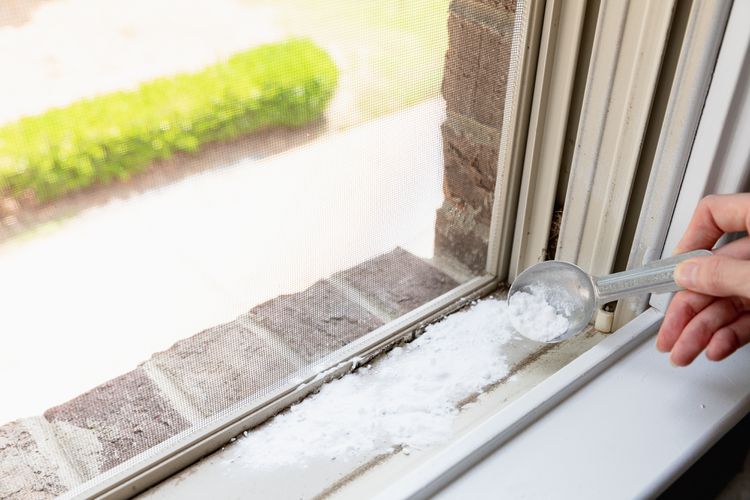
When employing diatomaceous earth, application technique is vital. Sprinkle a thin layer of DE in areas where spider activity is noted, such as corners, window sills, and behind furniture. Ideally, it’s best to apply DE during dry conditions, as moisture can diminish its effectiveness. Remember, the key lies in patience; it may take several hours to days for the diatomaceous earth to take effect, depending on the spider’s exposure to the powder.
Moreover, diatomaceous earth’s effectiveness against spiders can diminish if the environment becomes too humid or wet. Spiders, being resilient creatures, will often retreat to more sheltered spots when faced with challenges posed by diatomaceous earth application. This phenomenon underscores the importance of combining DE use with regular cleaning and maintenance to eliminate potential hiding places for spiders. Clearing clutter and sealing cracks can bolster the efficacy of this natural pest control method.
Another dilemma stems from the persistent nature of spiders. Even if diatomaceous earth effectively reduces the spider population, it won’t create a long-term solution. A home can easily become re-infested if conditions are conducive for spider habitation. Thus, employing diatomaceous earth should be considered as part of a broader integrated pest management strategy rather than a silver bullet.
Alternative methods of spider control can synergize well with diatomaceous earth. For instance, essential oils like peppermint and tea tree can act as natural repellents. Spraying a diluted mixture of these oils around your home may dissuade spiders from taking up residence. Additionally, using sticky traps strategically placed around potential entry points can help capture spiders before they become established residents.
The reality remains that the efficacy of diatomaceous earth in eliminating spiders can vary significantly based on numerous factors: spider species, environmental conditions, and your home’s specific attributes. While it’s an environmentally friendly option that poses less risk to human and pet health, its success rate may not be guaranteed. However, with a concerted combination of DE and other natural deterrents, one can indeed create an inhospitable environment for spiders.
In summary, diatomaceous earth does hold the potential to kill spiders, but it comes with its own set of challenges. As a responsible homeowner, it’s essential to appreciate the nuances of spider control while utilizing DE as part of a holistic approach to pest management. Whether you’re enticed by the thought of natural pest solutions or simply searching for a way to coexist with spiders within the comfort of your home, diatomaceous earth might just be a viable player in your eco-friendly pest control arsenal.
Ultimately, navigating the realm of pest control requires patience, persistence, and a comprehensive understanding of the pest at hand. So the next time you ponder your spider situation, consider giving diatomaceous earth a try while simultaneously exploring other innovative solutions for a spider-free sanctuary!









Leave a Comment