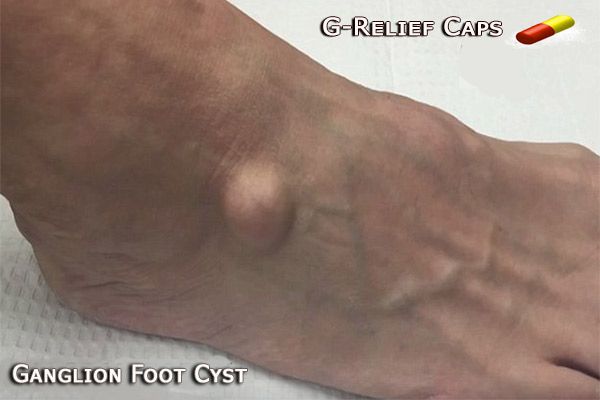
Ganglion cysts, those enigmatic benign swellings frequently found around the joints and tendons of the foot, often provoke a blend of curiosity and concern. While they are typically harmless, their presence can elicit discomfort or interfere with activities, prompting a quest for effective treatment options. Understanding the underlying nature of these cysts and exploring diverse therapeutic approaches can not only alleviate symptoms but also foster a deeper awareness of this common condition. Herein lies a comprehensive guide to ganglion cyst foot treatment, encompassing a variety of methods, from conservative management to surgical intervention.
Understanding Ganglion Cysts
Ganglion cysts are fluid-filled sacs that originate from joint capsules or tendon sheaths. Their creation is often attributed to repetitive stress or trauma, leading to the leakage of synovial fluid. The cysts typically present as noticeable lumps on the surface of the foot or ankle, varying in size and potentially causing pain or discomfort, especially with movement. Some individuals may find these growths aesthetically unpleasing or limiting, triggering an urgent desire to explore possible remedies.
1. Initial Assessment and Diagnosis
Before embarking on any treatment journey, obtaining a proper diagnosis is paramount. A healthcare professional typically conducts a thorough examination that may include:
- Patient History: Gathering information about symptoms, duration, and any previous treatments undertaken can provide critical insights.
- Physical Examination: A detailed inspection and palpation of the cyst can help distinguish it from other potential conditions, such as lipomas or more serious growths.
- Imaging Studies: In some cases, ultrasound or MRI may be utilized to ascertain the size and depth of the cyst and evaluate the surrounding structures.
Having a clear understanding of the condition sets the stage for tailored treatment options.
2. Conservative Treatment Options
The majority of ganglion cysts are self-limiting; hence, conservative management is often the initial approach:
- Observation: In many cases, a “watchful waiting” approach is advisable, particularly if the cyst is asymptomatic. Monitoring for changes can often facilitate spontaneous resolution.
- Activity Modification: Reducing repetitive activities or changing footwear can alleviate stress on the affected joint and may help minimize the cyst’s impact on daily life.
- Physical Therapy: Engaging in targeted exercises can enhance flexibility and strength in the surrounding musculature, potentially reducing discomfort and improving function.
- Compression Garments: Utilizing supportive footwear or compression socks can provide relief by stabilizing the foot and minimizing range of motion, which may lessen irritation caused by the cyst.
3. Pharmacological Interventions
To mitigate symptoms persistently despite conservative measures, various pharmacological options may be explored:
- Non-Steroidal Anti-Inflammatory Drugs (NSAIDs): Over-the-counter medications like ibuprofen or naproxen can alleviate pain and reduce inflammation associated with the cyst.
- Corticosteroid Injections: In certain cases, a healthcare provider may recommend corticosteroid injections directly into the cyst to diminish inflammation and alleviate pain.
These interventions work to address the symptoms of the cyst, providing avenues for enhanced comfort.
4. Aspiration Technique
For ganglion cysts causing significant discomfort or mobility impairment, aspiration—where the cyst contents are withdrawn using a needle—can serve as an effective treatment modality. While this procedure can provide immediate relief, there is a possibility of recurrence, and it is often best combined with the aforementioned therapies.
5. Surgical Treatment
When conservative measures prove inadequate or the cyst recurs, surgical excision may become a consideration. The procedure typically involves the following:
- Indications for Surgery: Persistent pain, significant swelling, or recurrent cysts often necessitate surgical intervention.
- Preparation and Anesthesia: The surgical site is prepared and localized anesthesia is administered to ensure patient comfort during the procedure.
- Excision Process: The cyst, along with its associated stalk, is removed from the foot to minimize the risk of recurrence.
- Recovery: Post-surgery, patients may need to adhere to a brief period of rest, followed by a gradual return to normal activities.
This approach serves as a decisive measure aimed at eliminating the cyst while restoring functionality to the foot.
Conclusion
While ganglion cysts may evoke concern and curiosity due to their baffling nature, a spectrum of treatment options exists to address the symptoms and underlying causes effectively. From observation to advanced surgical techniques, each method possesses its merits and application based on individual circumstances. A collaborative approach between patient and healthcare provider fosters a thorough understanding of the condition, ultimately guiding a personalized treatment strategy. Acknowledging the multifaceted nature of ganglion cysts not only alleviates discomfort but also deepens appreciation for the intricate dynamics of our bodily mechanisms.








Leave a Comment