When it comes to domestic poultry, a frequently pondered question arises: what exactly sets hens apart from roosters? On the surface, the distinctions may seem trivial, but a deeper exploration reveals variations that extend far beyond mere appearances. These differences embody not only physical traits but also behavioral and social nuances, all of which contribute to our fascination with these charming birds. Delving into this intriguing dichotomy fosters a greater appreciation for the avian world, as we uncover the complexities of their existence.
To fully grasp the nuances between hens and roosters, it is crucial to explore physical characteristics, vocalizations, behaviors, reproductive roles, and their societal structures within flocks. As you traverse this comprehensive examination, you will discover that the identities of these birds are more richly varied than one might initially assume.
1. Physical Characteristics
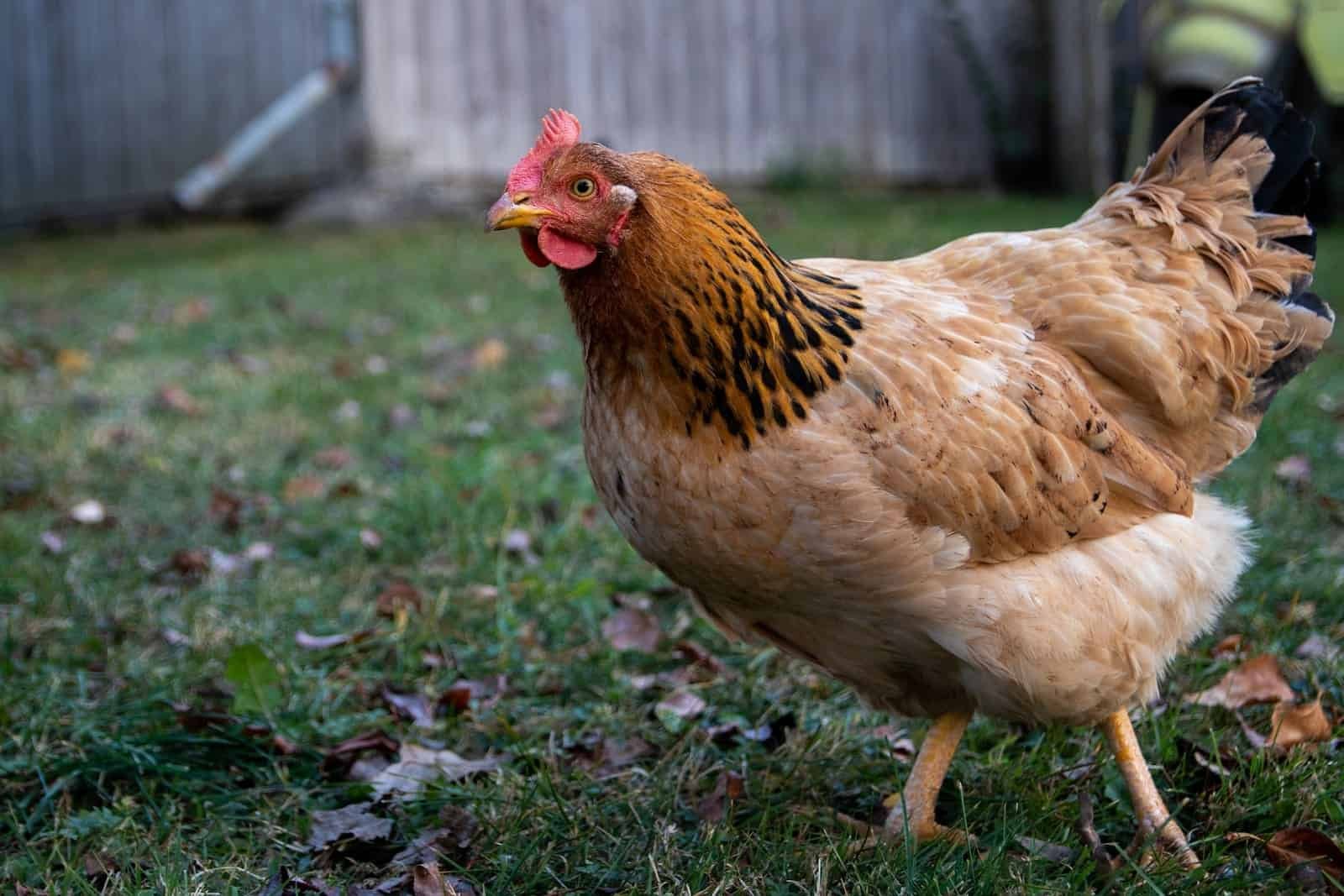
One of the most immediate differences between hens and roosters lies in their physical appearance. Generally, roosters are characterized by their striking plumage. Their feathers are often vibrant and lustrous, featuring vivid hues of reds, golds, and greens. Hens, on the other hand, present a more subdued color palette—think warm browns, grays, and whites—perfectly suited for camouflage amongst foliage.
A notable feature of roosters is their prominent combs and wattles. The comb, which crowns the head, can range from a simple flat crest to elaborate, spiky structures, often signifying the overall health and vitality of the bird. The wattles, hanging from either side of the beak, are equally conspicuous. Contrast this with hens, whose combs and wattles are generally smaller and less flamboyant. The size and vibrancy of these features can serve as an indicator of genetic fitness, influencing mating preferences within flocks.
2. Vocalizations
The characteristic sounds produced by hens and roosters further accentuate their differences. Roosters are renowned for their crowing, a resonant call that serves multiple purposes—marking territory and announcing dawn, while simultaneously alerting the flock to potential dangers. This crowing is not merely an avian alarm clock; it is a crucial communicative gesture that reinforces the rooster’s role as protector.
Hens, conversely, communicate through a range of clucks and squawks. Their sounds carry more subtlety, often indicating various emotional states or desires. For instance, a soft clucking may signify contentment during foraging, while a more agitated tone might suggest anxiety in response to threats. The hen’s vocal repertoire highlights her sociability and sensitivity within the complex dynamics of the flock.
3. Behavioral Patterns
Behaviorally, hens and roosters exhibit distinct tendencies that reflect their roles within the flock. Roosters, often viewed as the sentinels, frequently demonstrate assertiveness and leadership. A dominant rooster will establish a hierarchy, asserting his authority through displays of strength and confidence. This dominant behavior not only serves to maintain order within the group but also plays a pivotal role during mating rituals.
Hens typically display nurturing behaviors, especially when it comes to egg laying and hatching. A hen’s maternal instincts compel her to establish a nesting area, creating a safe haven for her eggs. Once hatched, she will fiercely protect her chicks, guiding them in foraging and teaching them necessary survival skills. This nurturing disposition underscores the essential contributions hens make toward sustaining the flock’s continuity.
4. Reproductive Roles
The reproductive roles of hens and roosters further delineate their functions within their social structures. Hens are the sole producers of eggs, an astonishing biological feat that captivates many. With the ability to produce a clutch of eggs, hens necessitate optimal conditions to ensure successful incubation and rearing.
Meanwhile, the rooster possesses a critical but different role. His primary function is to mate with hens, thereby facilitating fertilization. Beyond this, his presence is vital for maintaining genetic diversity within the flock. The introduction of a vigorous rooster can mitigate the risks of inbreeding, thereby promoting healthier progeny over generations.
5. Societal Structures
The societal dynamics within a flock present a fascinating lens through which to observe the interplay between hens and roosters. In a traditional flock setting, a dominant rooster often reigns supreme, exerting influence and control. This hierarchy is not only a mechanism for order; it also embodies a complex web of social interactions that dictate access to resources, mating opportunities, and protective duties.
Hens will often form their own social bonds, creating an intricate network of relationships that facilitate cooperation and security. Interestingly, hens exhibiting stronger social ties tend to experience reduced stress levels, demonstrating that social structure is as pivotal to their well-being as it is to the rooster’s dominance.
Conclusion
The differences between hens and roosters are not merely superficial; they encapsulate a captivating array of physical, vocal, and behavioral characteristics that reflect their respective roles within the avian community. By examining these distinctions, we are reminded of the exquisite complexity of life within the animal kingdom. Hens and roosters, while fundamentally intertwined in their existence, each contribute uniquely to the overarching narrative of poultry life. Their interplay and cooperation foster an enriching environment that emphasizes the importance of diversity, hierarchy, and social connectivity in nature. Ultimately, understanding these differences enhances our appreciation for these remarkable birds and the vital roles they play in our ecosystems and agricultural systems around the globe.









Leave a Comment