Tartar buildup on your teeth can be a persistent and unsightly nuisance, often turning a radiant smile into a source of embarrassment. This hardened plaque is not only an aesthetic issue but can also lead to more severe oral health problems. If you’ve ever wondered how to eradicate this dental menace, you’re not alone. The pursuit of a brighter smile and healthier gums is a quest many embark upon, and with the proper knowledge and techniques, removal of tartar is entirely within your grasp.
In this comprehensive guide, we will delve into the enigmatic world of tartar removal. You will discover effective home remedies, essential tools, and professional treatments that can transform your dental hygiene routine. Unlocking the secrets to conquering tartar may just change how you view your oral healthcare.
The Nature of Tartar
Tartar, or calculus as it is scientifically known, forms when plaque—a soft, sticky film comprising bacteria—remains on teeth longer than 24 hours. This mineral-laden deposit hardens due to the saliva’s calcium content, making it impervious to regular brushing. Despite its tenacity, understanding its formation can empower you to combat it more effectively.
Once tartar forms, it may host a plethora of bacteria that can exacerbate gum disease, leading to inflammation, bleeding, and even tooth loss if left unchecked. Thus, the urgency to remove tartar cannot be overstated. With the right strategies, you can shift from neglecting your dental care to embracing a proactive routine.
Home Remedies for Tartar Removal
There’s a sense of empowerment that comes with tackling tartar using readily available ingredients in your kitchen. This section details various home remedies that, while not substitutes for professional cleaning, can admireably assist in managing tartar buildup.
- Oil Pulling: This ancient Ayurvedic technique involves swishing coconut oil in your mouth for about 20 minutes. The process may reduce harmful bacteria, potentially diminishing plaque and tartar.
- White Vinegar Rinse: Diluting white vinegar with equal parts water may prove beneficial. Its acetic acid content helps break down tartar. Swishing vigorously and rinsing can yield results; however, it’s essential to rinse your mouth with water afterwards to avoid tooth enamel erosion.
- Baking Soda Paste: Combine baking soda with water to create a paste. This mildly abrasive mixture works superbly at dislodging tartar. Use it with caution, as excessive abrasion can harm your enamel.
- Fruit Scrubs: Certain fruits, like strawberries and oranges, contain natural acids that can aid in breaking down tartar. Mashing a strawberry or rubbing a piece of orange peel on your teeth allows you to leverage these delicate abrasives and acids.
Utilizing Dental Aids
Equipping yourself with the right dental tools can enhance your ability to manage tartar effectively. The following implements are key players in the battle against this dental foe.
- Electric Toothbrush: Superior to their manual counterparts, electric toothbrushes automate the scrubbing motion, providing superior plaque and tartar removal. Look for models with rotating or pulsating action for maximum efficacy.
- Dental Scrapers: Though generally reserved for professional use, dental scrapers are available for at-home care. These handheld tools can effectively dislodge stubborn tartar but require careful handling to avoid gum damage.
- Water Flosser: An excellent addition to your dental arsenal, a water flosser uses a stream of pulsating water to remove food particles and plaque from between your teeth and below the gum line.
Professional Treatments
While home remedies and dental aids can significantly aid in your tartar removal efforts, professional intervention is sometimes indispensable. Dental hygienists have access to advanced tools and techniques to limit tartar buildup effectively.
- Scaling: This is a process where dental professionals use specialized instruments to scrape tartar off the teeth. Scaling can be done manually or with ultrasonic tools that use vibrations to dislodge deposits.
- Polishing: Post-scaling, teeth are polished to remove any remaining plaque and provide a smooth surface, making future plaque adhesion less likely.
- Fluoride Treatments: Dental professionals often apply fluoride treatments post-cleaning. These treatments can strengthen enamel and impede future tartar formation.
Establishing a Robust Oral Hygiene Routine
To maintain a tartar-free mouth, establishing a comprehensive oral hygiene routine is imperative. A few key aspects to consider include:
- Regular Brushing: Brush your teeth at least twice daily for two minutes each time. Use fluoride toothpaste to fortify your enamel.
- Consistent Flossing: Daily flossing helps dislodge food particles and plaque from the crevices between your teeth where a toothbrush can’t reach.
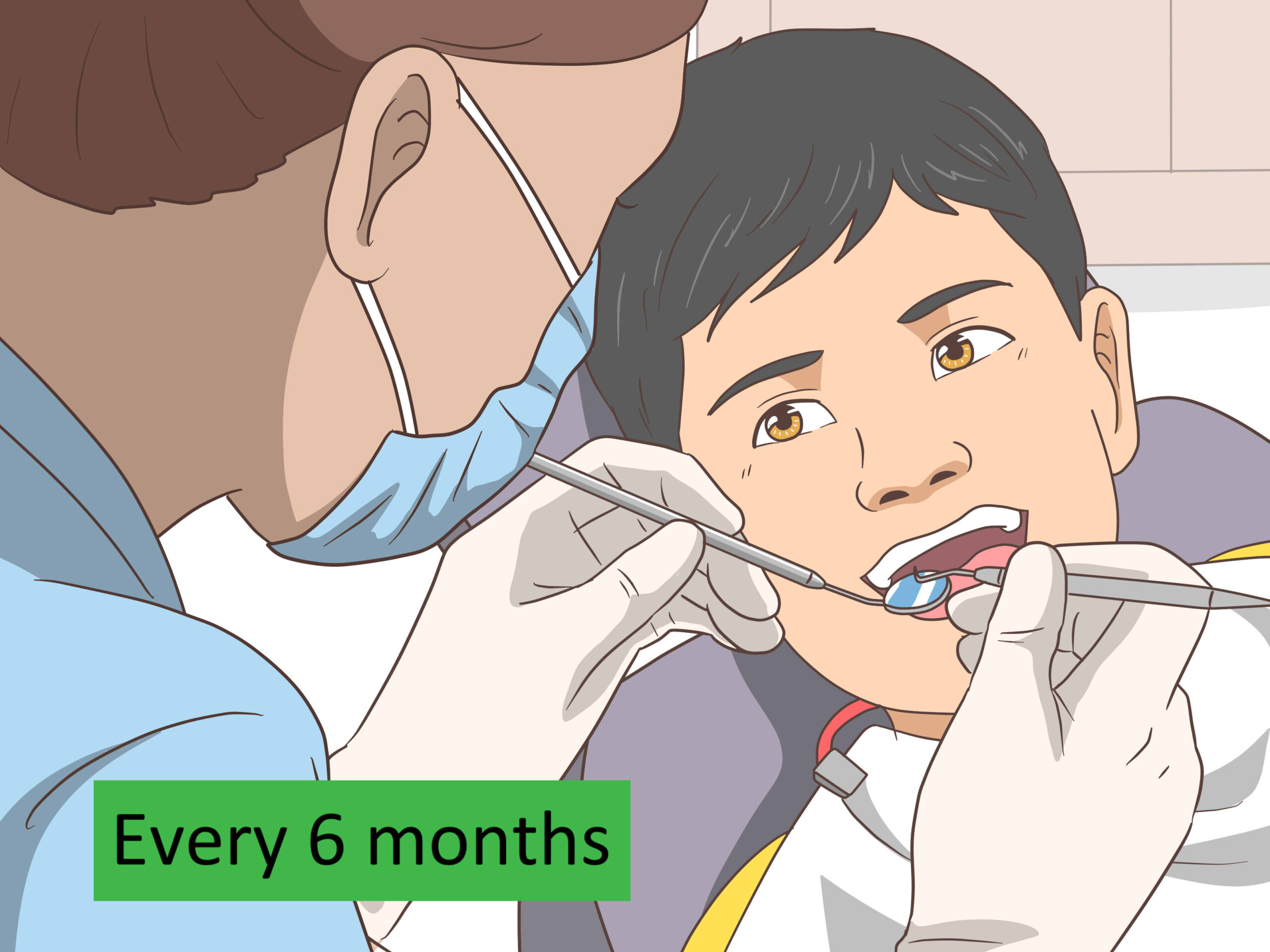
- Scheduled Dental Visits: Regular check-ups and cleanings, typically every six months, are essential. Your dentist can monitor your tartar buildup and remove it before it becomes problematic.
By blending home care practices with professional assistance, you can develop a robust strategy to combat tartar effectively. It’s not merely about appearance; it’s about establishing a foundation for enduring oral health. Shifting your perspective on dental care may open doors to new possibilities for both your smile and overall wellbeing.
In conclusion, while the quest to remove tartar from your teeth may seem daunting, the right combination of knowledge, tools, and habits can make it an achievable goal. Empower yourself with these strategies and reclaim your smile, ensuring it remains bright and healthy for years to come.









Leave a Comment