As cat lovers, we share an intrinsic bond with our feline companions, often reveling in their whims and peculiarities. Yet, among the myriad of joys that come with cat ownership, there lurks a concern that can quickly diminish that bliss: the potential presence of fleas. These inconspicuous creatures can cause significant discomfort to our pets, affecting their health and, in turn, the fabric of our household. Understanding how to identify flea infestations in cats is crucial, particularly because these diminutive insects often go unnoticed until their effects are glaringly visible. Here’s a comprehensive guide to help you discern if your beloved cat has fleas.
Recognizing the Signs of Fleas
Identifying a flea problem isn’t always straightforward, but several telltale signs can alert you to the possibility. Here are the primary indicators that your cat may be afflicted:
- Incessant Scratching and Grooming: Healthy cats groom themselves, but if you notice your feline engaging in unusually fervent or obsessive scratching and licking behavior, this could indicate an issue. Fleas often provoke intense itching due to allergic reactions to flea saliva, making your cat’s comfort a paramount concern.
- Hair Loss and Skin Irritation: Areas of alopecia, or hair loss, particularly around the neck, tail base, or abdomen, often arise from constant scratching. Similarly, you may notice red, inflamed patches on their skin, symptomatic of flea allergy dermatitis.
- “Flea Dirt”: A key indicator of flea presence is the discovery of “flea dirt,” which are small black specks that can be mistaken for dirt. However, upon inspection, these grains will turn reddish-brown when wet—an unmistakable sign of blood digested by fleas, which we can discern should we brush your cat on a damp paper towel.
- Behavioral Changes: A once affable cat may exhibit changes in attitude when plagued by fleas—becoming withdrawn, anxious, or restive. Such behavioral shifts warrant your attention, as they may signal discomfort or pain.
Inspecting Your Cat
Once you’ve noted potential signs of infestation, a thorough examination of your cat is essential. This process involves several steps:
- Visual Inspection: Carefully examine your cat’s fur in bright light. Pay particular attention to the underbelly, tail base, and collar area, as fleas often congregate in these regions. Running a fine-toothed comb through their fur can also reveal adult fleas or larvae.
- Check for Flea Eggs: Flea eggs are tiny, white, and oval-shaped, usually laid in clusters. Tapping your cat over a white sheet or cloth can help reveal these eggs, which are often unnoticeable against the cat’s fur.
Understanding the Flea Life Cycle
A comprehensive grasp of the flea life cycle underlines the importance of prompt action. Fleas undergo four distinct stages: egg, larva, pupa, and adult. The adult flea burrows into your cat’s fur and can lay hundreds of eggs daily, which then fall off into your home environment, making eradication a multi-faceted challenge. Each life stage requires a different approach for effective management, and pet owners must consider both their pet’s immediate comfort and the broader environment.
Flea Prevention and Treatment
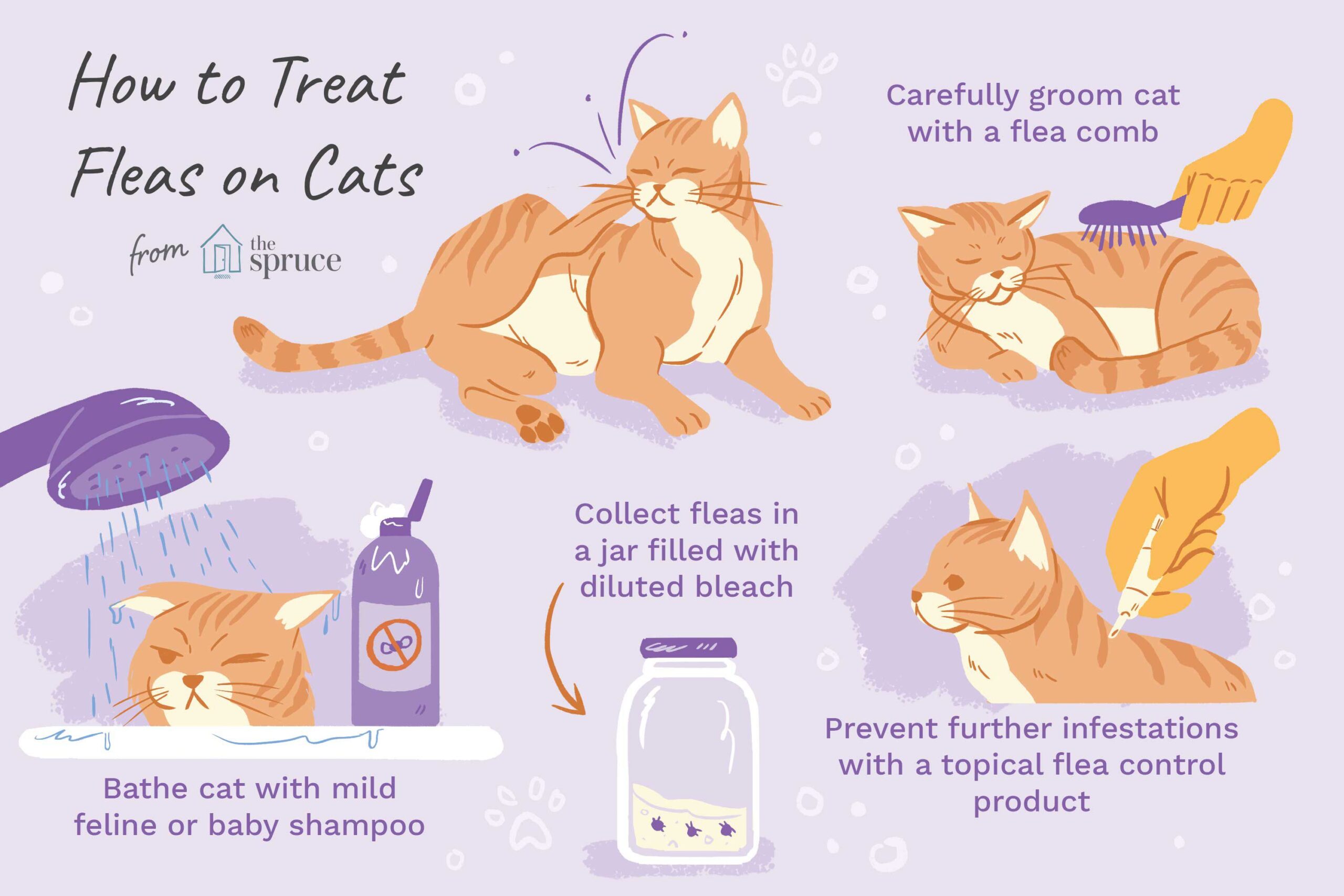
Prevention is undeniably the most effective strategy when it comes to managing fleas. Numerous products are available, ranging from topical treatments to oral medications, each designed to disrupt the flea life cycle. Consult your veterinarian to find the best option for your cat’s size, age, and health status. Regular grooming and bathing can also play a significant role in reducing the likelihood of infestation.
- Regular Treatments: Utilizing monthly flea preventatives is an excellent way to create a shield against these pests. Oral medications and topical solutions can effectively eliminate fleas and provide ongoing defense.
- Environmental Control: Cleaning your home, particularly bedding, carpets, and soft furnishings, can significantly diminish flea populations. Vacuuming regularly and washing your cat’s bedding can disrupt the flea life cycle and eliminate eggs, larvae, and adults alike.
- Consult a Professional: In cases of severe infestation, don’t hesitate to engage pest control professionals. They possess the expertise and tools necessary to eradicate fleas from your living space, complementing your efforts in caring for your feline.
Conclusion
In conclusion, being vigilant for the signs of fleas in your cat is crucial for maintaining their well-being and comfort. Armed with the knowledge to identify the symptoms and the means to combat these pests, you can ensure your cat remains a joyful and lively part of your life. Remember, the fascination we hold for our pets encompasses not only their peculiar habits but also our responsibility to keep them healthy and happy. By attending to potential issues like flea infestations, we can continue to nurture that unique bond that makes cat ownership so rewarding.









Leave a Comment