In the grand tapestry of landscaping, laying pavers in dirt is akin to crafting an exquisite mosaic; each stone is a fragment of art, forming a complete picture that enhances the beauty of one’s garden or patio. As you embark on this task, envision the pavers as the stars of a celestial dance, destined to unite in perfect harmony, bringing functionality and aesthetics to your outdoor space. This article will guide you through the meticulous process of laying pavers in dirt, underscoring each step with rich detail to ensure your project sparkles like a well-polished gem.
1. Preparing Your Canvas: The Site Assessment
Before the first paver is laid, a thorough assessment of the ~land~ or area where the installation will take place is paramount. Consider your landscape’s contours, drainage patterns, and sunlight exposure. Identify the intended purpose of your paver installation: whether it will serve as a path, patio, or driveway will influence your choices. Imagine this initial step as an artist choosing the right canvas for a masterpiece, ensuring your vision translates beautifully into reality.
2. Gathering the Necessary Tools and Materials
Like a painter gathering brushes and paints, assembling the correct tools and materials is vital. You will require pavers—available in myriad styles and materials, from brick to natural stone. Additionally, procure the following tools: a shovel, a rake, a tamper or plate compactor, a level, a rubber mallet, and a garden hose for outlining. Each piece of your toolkit plays a collaborative role in shaping the symmetry that defines your project.
3. Clearing the Area: The Demolition of the Existing Terrain
The next step involves clearing the designated area of grass, weeds, and any debris that may hinder the smoothness of your installation. Employ a shovel to remove these obstacles, and utilize a rake to level the ground, creating a seamless foundation reminiscent of a blank slate awaiting the brush strokes of a master artist.
4. Establishing the Base: Creating a Solid Foundation
Much like the foundation of a grand cathedral, the base upon which your pavers rest is the silent guardian of stability and longevity. Begin by excavating about 4 to 6 inches of soil to provide room for your base material. Next, introduce a layer of crushed stone or gravel—this will compose the sub-base. Spread it evenly and use a tamper or plate compactor to compact it thoroughly. A well-compacted base is the unsung hero, preventing sagging and shifting over time.
5. Implementing Edging: Defining Boundaries
The artistry of a paver installation extends beyond the stones themselves; it embraces the framing that keeps the design intact. Installing edging—such as plastic or metal border materials—creates a defined perimeter for your paver path or patio. This serves as a guardian against the encroaching earth and helps maintain a demarcated area. Picture the edges as the borders of a beautifully framed painting, ensuring that every detail remains unspoiled and in its place.
6. Laying the Pavers: The Dance of Alignment
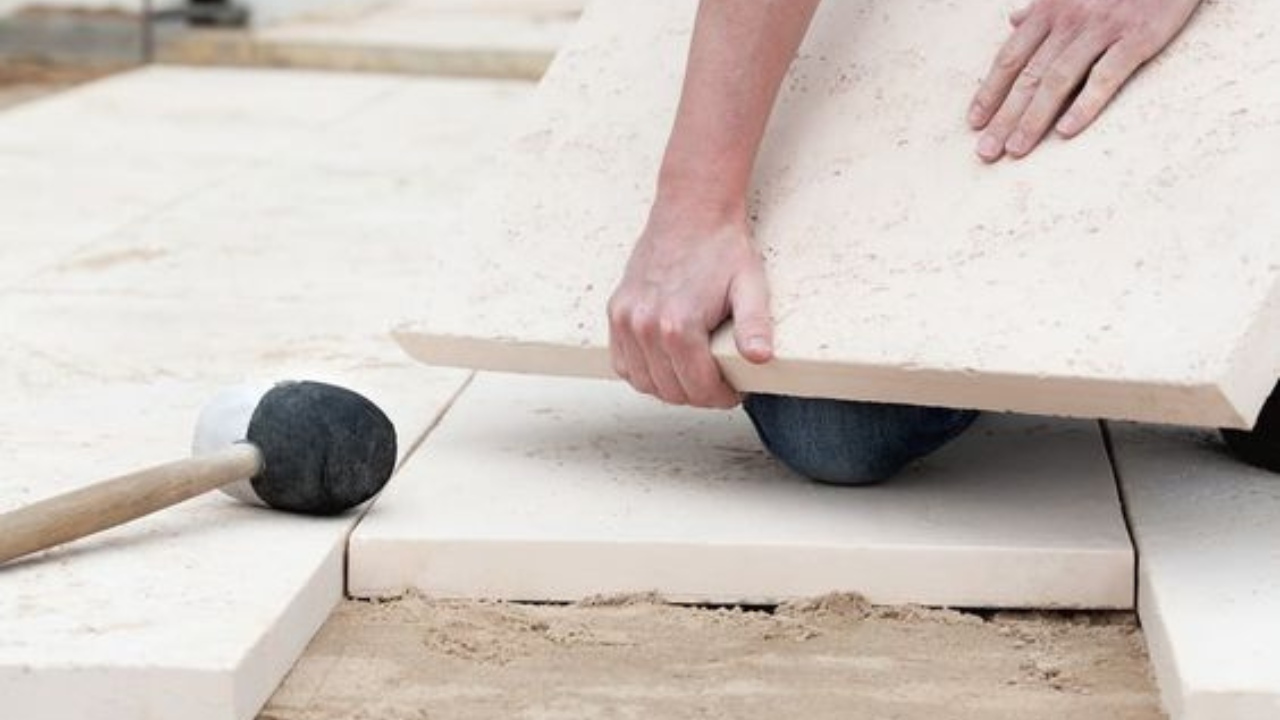
As you embark on the gentle placement of the pavers, approach it with the reverence of a conductor guiding an orchestra. Start from a corner or a straight edge and position each paver snugly against its neighbor. Utilize a rubber mallet to tap them into place, ensuring each piece is level and aligned. This step requires both precision and care, as the angles and intervals will impact the visual harmony of your installation.
7. Filling the Gaps: The Finishing Touch
With the pavers blissfully set, turn your attention to the gaps that remain. Fill these spaces with sand or polymeric sand—this final touch works like the brushstrokes that complete a canvas. Spread the sand over the surface and use a broom to sweep it into the cracks. This not only improves the aesthetic but also adds stability by locking the pavers in place, warding off the encroaching weeds of doubt.
8. Compacting and Finalizing: A Reflection of Mastery
Once the gaps are filled, it’s time to compact the entire surface once more, creating a cohesive and solid structure. This last compression is akin to polishing a gem; it elevates the installation to its ultimate brilliance. To complete the process, consider rinsing the pavers with water to settle the sand more firmly and eliminate any dust.
9. Enjoying Your Creation: The Art of Outdoor Living
As you step back and survey your handiwork, the satisfaction of having transformed mere dirt into a structured oasis envelops you. Your carefully laid pavers invite leisure and enjoyment, connecting the indoors with the allure of nature. Whether for a serene evening barbecue or a tranquil morning coffee, the space now boasts a singular beauty that serves both function and form.
In essence, laying pavers in dirt is not merely a task; it is a creative endeavor, blending art and utility. Each stone, painstakingly placed, contributes to an exquisite outdoor tapestry where memories will unfurl like the pages of a cherished book. Just as every artist savors the final stroke, so too should you relish the fruits of your labor. Embrace the unique appeal of your newly paved paradise, for it is now an extension of your sanctuary, echoing the beauty of nature intertwined with human craft.








Leave a Comment