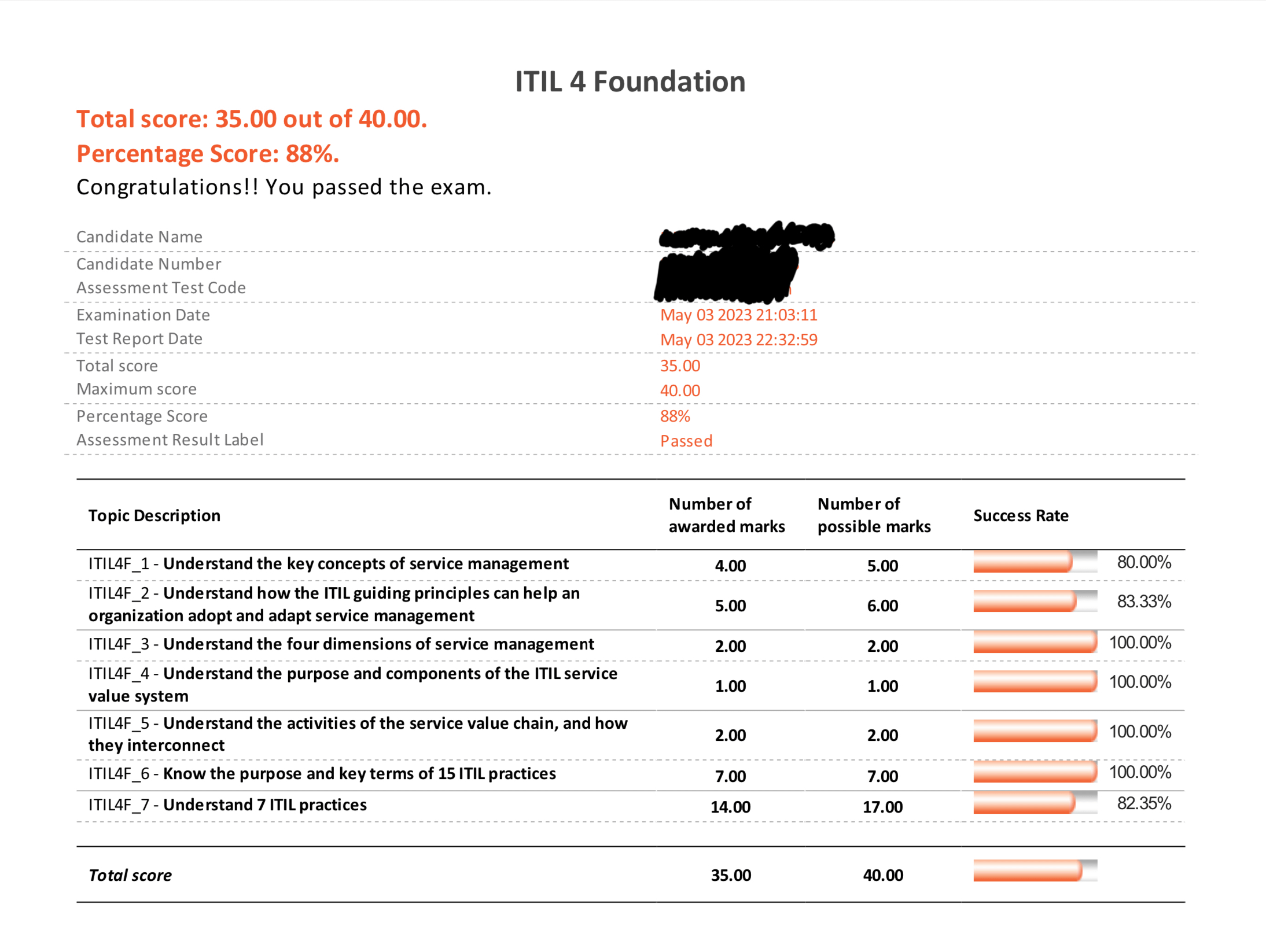
In a world increasingly dominated by technological advancements and digital transformation, understanding frameworks such as ITIL (Information Technology Infrastructure Library) can be a substantial boon. It is no wonder that professionals flock to obtain certifications that authenticate their expertise in IT service management. With determination and a strategic approach, I managed to pass the ITIL exam in just six days. This article outlines the meticulous steps I undertook, shedding light on various types of content you can expect when embarking on a similar journey.
Day 1: Foundation Knowledge Acquisition
The commencement of my endeavor involved immersing myself in foundational concepts. One cannot conquer ITIL without a firm grasp of its core principles. Therefore, I initiated my study by reviewing the official ITIL documentation alongside reputable online courses that offered both video lectures and written materials. This dual approach enabled me to absorb information through auditory and visual channels, which enhances retention. Key topics included the ITIL service lifecycle, service strategy, service design, service transition, service operation, and continual service improvement.
In parallel, I engaged with interactive forums and networked with ITIL professionals to gain diverse insights. I sought out blogs, podcasts, and thought leadership articles that dissected intricate ITIL topics, thus allowing me to appreciate practical applications and real-world scenarios. Such content varied from personal anecdotes to comprehensive analyses of ITIL’s impact on organizations.
Day 2: Structured Study Plan
With foundational knowledge acquired, it was imperative to construct a structured study plan. I divided the syllabus into manageable segments, outlining what I would cover each day. This strategic segmentation mitigated overwhelm and promoted focused study sessions. Utilizing time management techniques such as the Pomodoro Technique, which focuses on bursts of concentrated study time followed by brief breaks, I maintained peak productivity.
I allotted considerable time to practice exams; silencing any pre-exam jitters, this approach helped me familiarize myself with the exam format and question types. Every practice test provided invaluable feedback, revealing strengths and weaknesses that required more focus. The vast array of practice questions available operationalized my theoretical knowledge into pragmatic understanding.
Day 3: In-Depth Subject Exploration
The third day marked an escalation in the intensity of my study. I delved deeper into complex areas, such as the intricacies of service level management and the nuances of the service catalog. At this stage, I prioritized secondary sources of information, including case studies and white papers. These resources elucidated how ITIL principles are instantiated within organizations, showcasing either triumphs or failures linked to specific practices.
In conjunction with academic materials, I leveraged video courses that featured industry experts discussing their strategies for ITIL implementation. The confluence of theory and practical examples solidified my understanding, fostering a holistic approach to the study of ITIL.
Day 4: Group Discussions and Revision
On the penultimate day of focused preparation, I recognized the value of peer interaction through group discussions. Engaging in dialogue with colleagues and fellow aspirants enabled the exchange of ideas and challenging of perspectives, which is quintessential for cognitive reinforcement. We embarked on spirited debates surrounding ITIL case studies, dissecting the implications of various practices on service delivery.
Simultaneously, I embarked on a comprehensive revision strategy. Flashcards became indispensable tools; I created a set of cards encapsulating definitions, key terms, and models, all designed for auditory and visual reinforcement. This method proved effective for rapid recall, especially pertinent as the exam day loomed closer.
Day 5: Mock Exams and Time Management
As the clock ticked down, I focused predominantly on taking full-length mock exams. Simulating the actual exam environment was crucial; I timed myself when taking these tests to master pacing and ensure that I could manage time efficiently during the actual examination. Post-exam analysis gave rise to critical reflections on mistakes made, prompting further exploration of topics that tripped me up. This iterative process was imperative in fortifying my confidence.
Additionally, I sought out mentorship from ITIL certified professionals who provided enriched feedback and shared expert tips for navigating tricky questions. Their insight emphasized the importance of reading questions meticulously—something that is easily overlooked during exam stress.
Day 6: The Final Review and Relaxation
The final day was reserved for a thorough review while practicing self-care techniques to stave off anxiety. I revisited flashcards and concise notes, seamlessly transitioning between subjects, ensuring fluid recollection of material. As I absorbed final concepts, I also prioritized relaxation activities—meditation and light exercise—which alleviated any pre-exam nervousness. Maintaining a calm mindset is paramount when approaching an examination.
After a day filled with strategic review and relaxation, I confidently approached the exam, utilizing breathing techniques and positive affirmations to bolster composure.
Conclusion
Passing the ITIL exam in just six days was undoubtedly a formidable challenge, yet one that was surmountable with a well-structured approach and unwavering commitment. The journey encompassed a mélange of strategies—from foundational knowledge acquisition to peer interaction and intensive revision processes, each step contributed to the culmination of success. For those embarking on a similar quest, this multi-faceted approach is not merely a pathway to passing the ITIL exam; it is an invaluable opportunity for personal and professional growth. By adopting diverse content types, strategic study plans, and fostering community engagement, you too can navigate the labyrinth of ITIL with competence and confidence.











Leave a Comment