When it comes to the world of horology, one might assume that the mere act of wearing a watch is a straightforward affair. However, the question of how long watch batteries last is surprisingly more intricate than it seems. This seemingly simple inquiry opens the door to a deeper understanding of watch mechanics, battery types, and the subtle factors that can influence longevity. In an age where technologic advancements often leave us guessing about the lifespan of our devices, watches deserve their due contemplation. Let’s embark on a thorough exploration of the nuances of watch battery longevity.
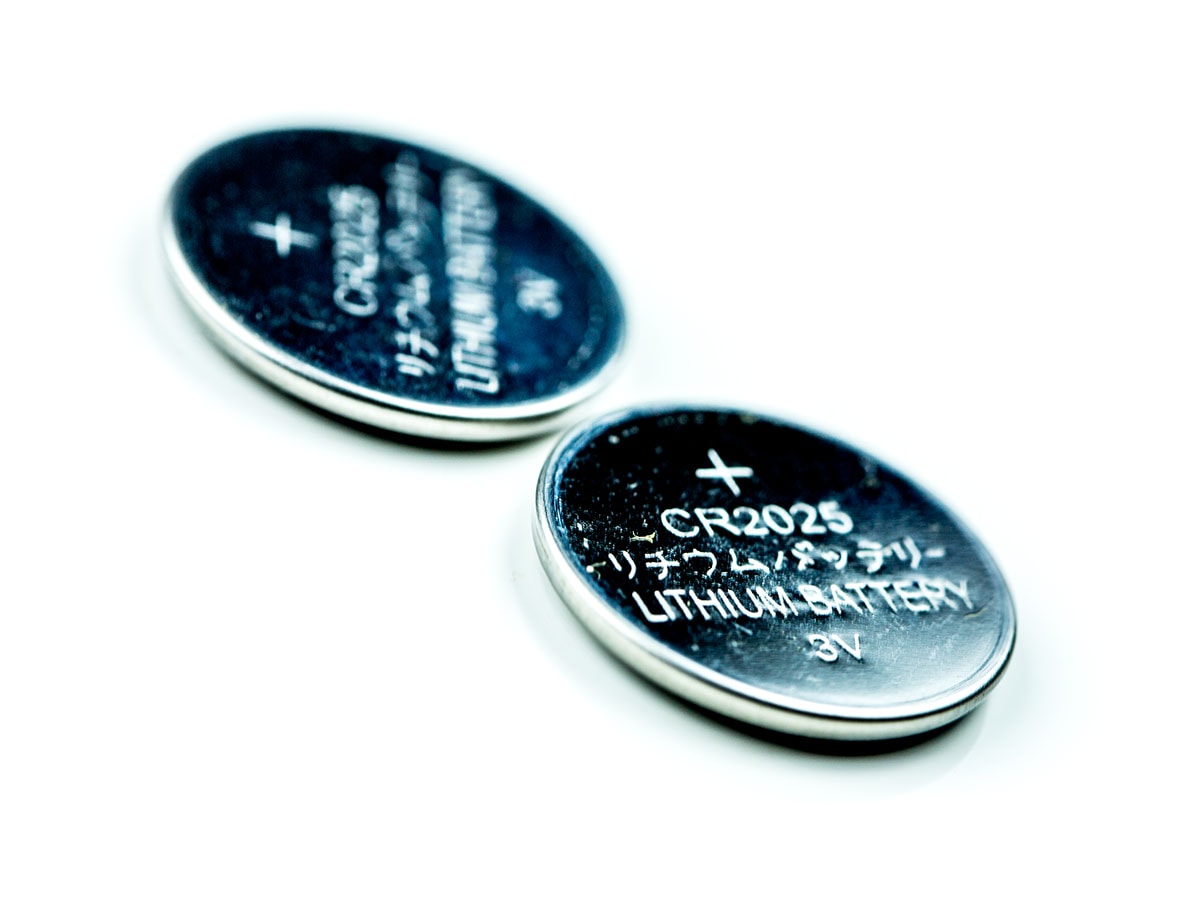
Firstly, it is imperative to grasp the different types of watch batteries available on the market. The most prevalent type is the alkaline battery, which typically powers quartz timepieces. These batteries generally function effectively for two to three years. On the other hand, lithium batteries, known for their longevity and stability, can last from three to five years in similar watches. This additional lifespan may seem trivial, but to a diligent watch wearer, every extra month matters.
Then, we encounter the more niche market of specialized batteries. For example, solar-powered watches utilize an entirely different mechanism, harnessing light energy to prolong their operational lifespan. These remarkable devices can run for months or even years on a full charge, making them a trending alternative for those who prefer sustainability without the hassle of changing batteries regularly. Indeed, this shift toward eco-friendliness is appealing, yet still, individuals must remain cognizant of the need to recharge them from time to time to maintain performance.
Moreover, the style and functionality of your timepiece play significant roles in determining battery life. Complicated watches featuring additional functions—such as chronographs, alarms, or even smart features—tend to consume more energy. Consequently, if you find yourself enamored with a multifunctional gadget, be prepared for more frequent battery replacements. This fact can lead watch enthusiasts to reconsider their preferences and weigh functionality against longevity.
Another compelling factor is the environmental conditions that the watch is subjected to. Extreme temperatures, both hot and cold, can accelerate battery depletion. A watch that resides mostly indoors will likely last longer than one worn during rugged outdoor adventures or inclement weather. Understanding this relationship between environment and battery health fosters a more conscientious relationship with one’s timepiece.
Additionally, the frequency of watch usage affects battery life. A wristwatch that remains on the wrist continuously will maintain its battery better compared to one that is frequently stored in a drawer. This is particularly true for kinetic watches, which rely on the movement of the wearer’s wrist to maintain a charge. For those who rotate their watch collection, investing in a watch winder can be a game changer. This device simulates the natural movements of your wrist, thus prolonging the battery life of kinetic models.
Let’s not overlook the importance of maintenance. Regular maintenance checks contribute significantly to a battery’s performance. Although modern batteries are largely robust, prolonged inactivity or poor care can lead to unforeseen complications. For instance, an unattended watch might face issues like corrosion or dust infiltration, adversely affecting the battery’s efficiency and lifespan. Establishing a routine of having your watch serviced by a professional can mitigate such risks.
Moving beyond just battery life, let’s dive into the indicators signaling that a battery replacement might be in order. When the watch begins to behave erratically—such as slowing down or the second hand skipping—it’s often the first sign that the battery is dwindling. Being alert to these signs can prevent further complications that arise from delaying a replacement. The subtle shift in perception about battery longevity emphasizes the importance of caring for your timepiece as one would for a cherished companion.
In the realm of advancements, it is worth mentioning that the industry is consistently evolving. Research is perpetually underway to develop more efficient battery types, which promise to push the boundaries of how long a watch can operate before requiring a vital change. Quantum battery technology, for example, holds potential for future watches, aiming to significantly extend battery life thanks to its advanced energy storage capabilities.
In conclusion, understanding the intricacies surrounding watch battery life invites an elevated appreciation for these timekeeping devices. While the conventional mantra may suggest a few years is the standard, it encapsulates a plethora of factors ranging from battery type to environmental conditions. Ultimately, a watch is more than just an accessory; it is a blend of artistry and technology, requiring thoughtful engagement. The next time you glance at your wrist, remember the silent yet pivotal role a small battery plays in the harmony of timekeeping. Armed with this knowledge, you can now approach your watch with a newfound respect and a bit more awareness regarding its upkeep and longevity.









Leave a Comment