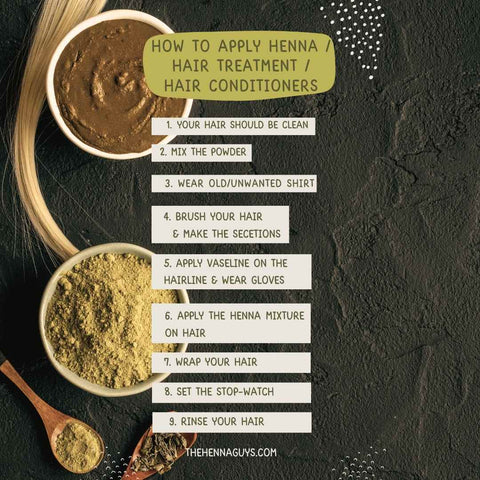
Have you ever found yourself wrapped in anticipation after applying henna, only to be puzzled by the question: How long does henna actually take to dry? The enigmatic allure of henna, with its intricate designs and rich cultural history, draws many to try their hand at this beautiful art form. However, the drying process can often pose a playful challenge, leaving enthusiasts to grapple with the best practices for achieving the perfect stain. In this guide, we will explore the nuances of henna drying times, considerations for optimal results, and tips to ensure your henna experience is nothing short of extraordinary.
Understanding Henna: The Basics
Henna, made from the crushed leaves of the Lawsonia inermis plant, is a natural dye that has been used for centuries across various cultures, predominantly in regions such as the Middle East, North Africa, and South Asia. The vibrant reddish-brown stain is applied to the skin in intricate patterns, often for festive occasions, weddings, and rituals. Understanding how henna works is paramount to knowing its drying time, as several factors come into play.
Factors Influencing Drying Time
1. Humidity and Temperature: One of the most significant determinants of henna drying time is the environmental conditions. High humidity can prolong the drying process, whereas dry, warm weather can expedite it. Generally, henna takes anywhere from 20 minutes to 2 hours to dry under ideal conditions.
2. Application Thickness: The thickness of the henna paste directly influences drying time. Heavier lines will naturally require more time to dry fully compared to fine, delicate strokes. A thicker application may take upwards of an hour, while precise, thin lines could dry in as little as 20 minutes.
3. Type of Henna: The freshness and quality of the henna used can also affect drying time. Freshly made henna with a high dye content tends to dry quicker and yield richer colors. In contrast, older or lower-quality henna may take longer and result in less vibrant stains.
4. Skin Type: Individuals with drier skin may observe faster drying times, as oilier skin can retain moisture and create a damp effect, thus slowing the process.
The Typical Drying Process
While drying times can vary, there is a general trajectory that Henna goes through as it dries:
1. Initial Application: After the henna is applied, it typically feels moist. You may notice a sheen on the surface of the design, indicating it has yet to dry completely.
2. Surface Drying: Within 30 minutes, the outer layer of henna will begin to dry and harden. This stage is crucial as it is where the paste’s adherence to the skin solidifies. Avoid touching or disturbing the design during this phase.
3. Forming a Crust: After about an hour, a crust will form over the henna. At this point, it is essential to allow the paste to remain on the skin to achieve the best color. Removing it prematurely can compromise the quality of the stain.
4. Final Drying: Depending on environmental conditions, the henna can take an additional hour or two to fully dry. Patience is key; allow the henna to rest for as long as possible to achieve the deepest stain.
Tips for Optimal Drying
To ensure you have the best henna experience, consider the following tips:
1. Create a Conducive Environment: If possible, apply henna in a warm, dry space. Avoid areas with high humidity or direct drafts. A controlled environment helps regulate drying time.
2. Use a Stencil: For beginners, using a stencil can help maintain an even application, simplifying the process and ensuring quicker drying times. This method also allows for more consistent designs.
3. Seal the Design: After about 30 minutes, consider covering your henna with a layer of lemon juice mixed with sugar to lock in moisture. This not only enhances the color but can also protect the design from smudging during the drying process.
4. Be Patient: While it may be tempting to check on the design frequently, it is best to resist the urge. Letting the henna dry undisturbed preserves the quality of the stain.
5. Know When to Remove: Typically, henna can be removed anywhere from 1 to 6 hours after application. For the deepest stain, letting it sit overnight is ideal.
What to Do After Henna Application
Once you’ve allowed your henna to dry and set for the appropriate amount of time, it’s crucial to remove it correctly. Gently scraping away the dried paste is recommended, avoiding all water initially. This method preserves the stain and ensures a richer hue.
Conclusion
The question of how long henna takes to dry is not just about time; it’s an invitation to explore the intricate dance between art and nature. Understanding the myriad factors that influence drying times empowers enthusiasts to tailor their henna experience for optimal results. By creating the right environment and practicing patience, you can achieve stunning designs that leave a lasting impression. As you embark on this enchanting journey, embrace the challenges that come your way and let the beauty of henna unfold at its own pace.






Leave a Comment