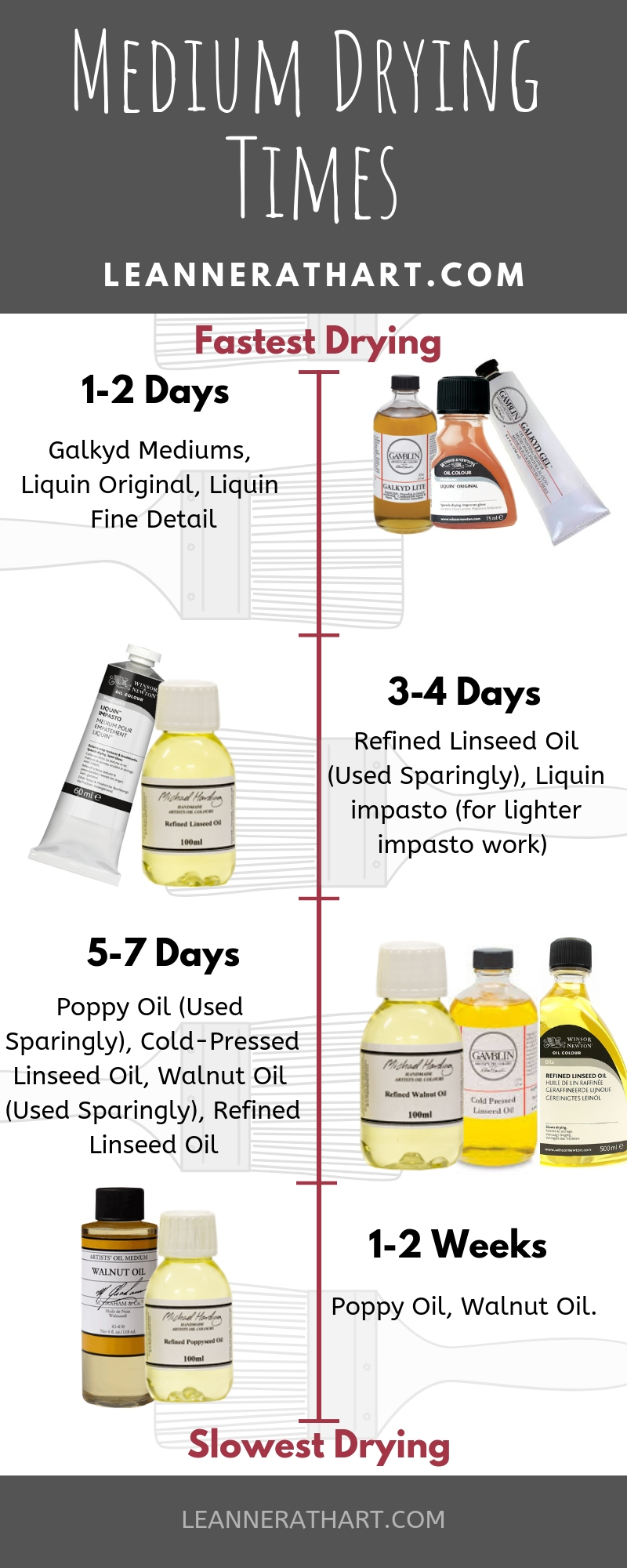
Painting with oils is akin to navigating the intricacies of a dense forest; it demands patience, understanding, and a certain reverence for the process. One of the most frequently posed questions by budding artists and seasoned painters alike is: “How long does it take an oil painting to dry?” This seemingly straightforward inquiry unravels into a tapestry of variables that can significantly influence drying times. This article will delve deep into this multifaceted topic, illuminating the nuances surrounding the drying time of oil paints while appreciating the unique appeal of this timeless artistic medium.
To comprehend the drying duration of oil paintings, it is essential to discern the nature of oil paint itself. Unlike its fast-drying acrylic counterpart, oil paint is composed of pigments suspended in a drying oil, typically linseed. This rich concoction fosters a luxuriant texture with vibrant hues that can be layered, blended, and manipulated over extended periods. However, it also means that the drying time can be quite protracted, transforming a simple painting session into a prolonged adventure.
1. The Factors Affecting Drying Time
Just as a recipe’s outcome depends on the ingredients, the drying time of an oil painting depends on several critical factors:
- Thickness of Application: The most obvious variable is the thickness of the applied paint. A thick impasto stroke may take days or even weeks to dry completely, whereas thin glazes may become touch-dry within hours.
- Type of Oil Used: The choice of oil can dramatically impact drying times. Linseed oil, for example, is one of the fastest-drying oils, whereas poppy seed oil dries at a slower pace. Exotic oils can introduce an enchanting variance but may extend the wait.
- Environmental Conditions: Humidity, temperature, and even ventilation play essential roles. High humidity levels can lure moisture into the paint, while warmer temperatures can accelerate the drying process. An artist painting in a sunlit room will have different drying times compared to one in a cool, damp studio.
- Additives and Mediums: Many artists utilize mediums designed to alter the paint’s consistency and drying time. Alkyd mediums, for example, can hasten drying, making them invaluable in certain painting techniques.
- The Color of the Paint: Surprisingly, the pigment itself can influence drying times. Some colors, particularly those rich in cadmium, dry slower than their earth-toned counterparts. This peculiarity adds an intriguing layer to the artist’s palette.
2. The Stages of Drying
Understanding the stages of drying paint is akin to the metamorphosis of a caterpillar into a butterfly. The drying process can be divided into several stages, each reflective of a critical phase in a painting’s evolution:
- Touch Dry: The initial stage occurs within hours. At this point, the surface may appear dry, but the inner layers remain tacky and susceptible to smudging. An artist’s brush or finger can easily disrupt this delicate facade.
- Dry to the Touch: After a day or two, the paint will reach a ‘dry to the touch’ status. Here, the surface feels solid, yet the paint continues its slow dance of curing beneath. Caution is still advised; a light brush against this stage may still incur damage.
- Hard Dry: Progressing further, the artwork enters the hard-dry stage, typically taking a few weeks for most oil paints. At this stage, the painting achieves sufficient hardness, but the curing process is far from complete.
- Fully Cured: Months can pass before the painting transforms fully cured, as the oil continues to oxidize and polymerize. Fully cured oil paintings exhibit optimal durability and vibrancy, a true testament to the patience of both the artist and the medium.
3. Strategies to Expedite Drying
For artists eager to accelerate the drying process without sacrificing quality, a few strategies can mirror the gentle nudges of nature encouraging a flower to bloom:
- Use of Fast-Drying Mediums: Incorporating mediums specifically designed to hasten drying can be a game-changer. Alkyd oils or liquid mediums can help speed up the process significantly.
- Optimal Ventilation: Ensuring proper airflow in the workspace can create a more conducive environment for drying. Open windows or fans can help facilitate faster evaporation of moisture.
- Controlled Lighting: Natural light, particularly sunlight, can assist in speeding the drying process. However, it’s essential to monitor conditions closely to prevent overheating or fading.
- Temperature Regulation: Ensuring a warmer environment can be beneficial. A stable temperature (around 70°F or 21°C) promotes a quicker drying time without compromising the integrity of the paint.
4. Embracing the Process
Ultimately, the drying time of an oil painting is not merely a logistical consideration but a part of the artistic voyage itself. Each hesitation and delay is a reminder of the unique attributes inherent in oil paint, reflecting the artist’s connection to the work. The anticipation, the waiting game, allows for contemplation, and even the possibility of fine-tuning the artwork during those waiting hours. In a world that often prioritizes immediacy, the slower, more contemplative process of oil painting invites artists to relish in their creations and embrace the transient nature of time.
In conclusion, the question of how long it takes for an oil painting to dry unfolds into an intricate narrative rich with variables, from the makeup of the paint to the conditions surrounding it. In painting, patience is not merely a virtue; it is part of the art itself, akin to the slow and deliberate unfolding of a story, each layer portraying a chapter of the artist’s journey. So the next time you step up to the easel, remember that every stroke, every pause, is a testament to creativity and the enchanting, albeit slow, allure of oil painting.



Leave a Comment