Growing a beard is more than just a grooming choice; it’s quite the adventure, isn’t it? Have you ever wondered how long it truly takes to cultivate that majestic mane? If you’re pondering this playful query, you’re not alone. Whether you’re aiming for a full, thick beard or simply contemplating adding some facial fluff, the transformative journey of beard growth comes with its own set of challenges and milestones. Let’s delve into the intricate details of this captivating process and discover what influences the rate of growth.
1. The Growth Timeline
On average, facial hair grows about half an inch per month. This translates to approximately six inches a year. While this rate can vary, it sets the stage for what you can expect. But don’t forget—your individual journey may defy the averages.
2. The Phases of Beard Growth
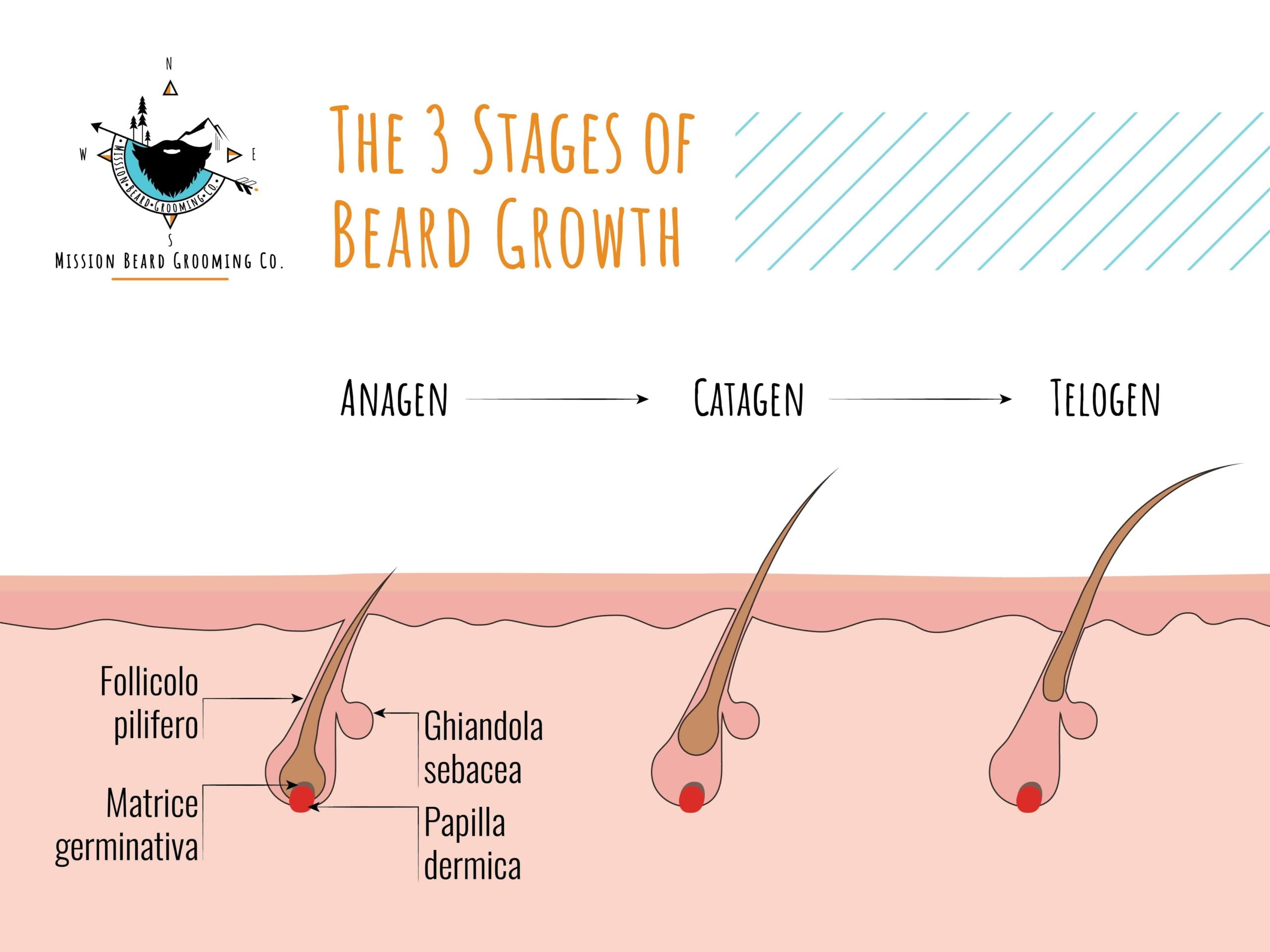
Beard growth is not a linear trajectory. Instead, it ebbs and flows through three distinct phases:
- Anagen Phase: This is the growth phase, where your hair follicles are busy producing new cells. For facial hair, this stage typically lasts anywhere from two to six years.
- Catagen Phase: Here, growth comes to a standstill, and the hair follicles begin to shrink. This transitional phase lasts about two to three weeks.
- Telogen Phase: In this resting phase, your beard may shed. This stage lasts around two to three months before new growth starts again.
Understanding these phases not only helps to manage your expectations but also equips you with knowledge to tackle the growing process with greater insight.
3. Factors Influencing Beard Growth
While the average growth rate offers a general guide, various factors play a pivotal role in determining how quickly and fully your beard will flourish:
- Genetics: Perhaps the most significant influencer, your genetic makeup dictates the density and growth rate of your facial hair. Family history is often a reliable predictor.
- Age: Adolescents might find their beard growing slower than those in their 30s, as hormonal levels—particularly testosterone—rise with age, catalyzing hair growth.
- Hormones: Speaking of testosterone, this powerful hormone influences not only the rate of beard growth but also the thickness and robustness of individual strands.
- Health & Nutrition: A well-rounded diet teeming with vitamins and minerals can bolster beard growth. Nutrients such as biotin, vitamin E, and omega-3 fatty acids contribute to healthier hair follicles.
- Climate: Surprisingly, the weather can have an impact. In colder climates, facial hair tends to grow better as the body reacts to lower temperatures by enhancing hair density for warmth.
4. Common Beard Growth Challenges
As with any quest, there are obstacles along the way to a glorious beard. Here are some prevalent challenges and how to navigate them:
- Patchiness: Many aspirants encounter patchy growth in the early stages. Don’t be disheartened; this usually fills in as the hair matures, so patience is essential!
- Itchiness: New beard growth often invites an irritating itch. To mitigate discomfort, use soothing oils or balms that can provide moisture and relieve irritation.
- Uneven Growth: Some regions may grow faster than others, creating an uneven appearance. Regular trimming can help align the beard, allowing it to grow more uniformly over time.
5. The Art of Beard Maintenance
Once you’ve established a viable beard, the maintenance phase commences. Here’s how to keep your facial hair in optimal conditions:
- Washing: Employ a gentle cleanser specifically designed for facial hair. Regular washing not only keeps it clean but also prevents buildup from oils and food particles.
- Conditioning: Much like the hair atop your head, beards benefit greatly from conditioning. Use beard oils or balms that hydrate and soften the hair, enhancing its overall appearance.
- Trimming: Regular trims help remove split ends and maintain shape. Even if you’re growing it out, a little shaping ensures a polished look.
6. Realistic Expectations: The Beard Growth Spectrum
Different beard styles require varying lengths, so it’s crucial to gauge your own goals accurately. Are you aiming for a refined goatee, an impressive full beard, or something in between? Your aspirations can affect your patience and the length of time you’ll need to invest in growing out your facial hair. Typically, a full beard might take anywhere from eight weeks to a year to fully develop, based on the factors outlined earlier.
In conclusion, embarking on a journey to grow a beard is as much about the process as it is about the destination. Infused with both challenges and rewards, this endeavor requires patience, care, and sometimes a dash of humor along the way. By understanding the timeline, phases, influencing factors, challenges, and maintenance involved, you’re not only preparing yourself to face the potential ups and downs but also enhancing the joy that comes with each phase of your beard’s growth. So, grab your trusty trimmers and oils; the adventure awaits—will you rise to the challenge and grow that beard of your dreams?









Leave a Comment