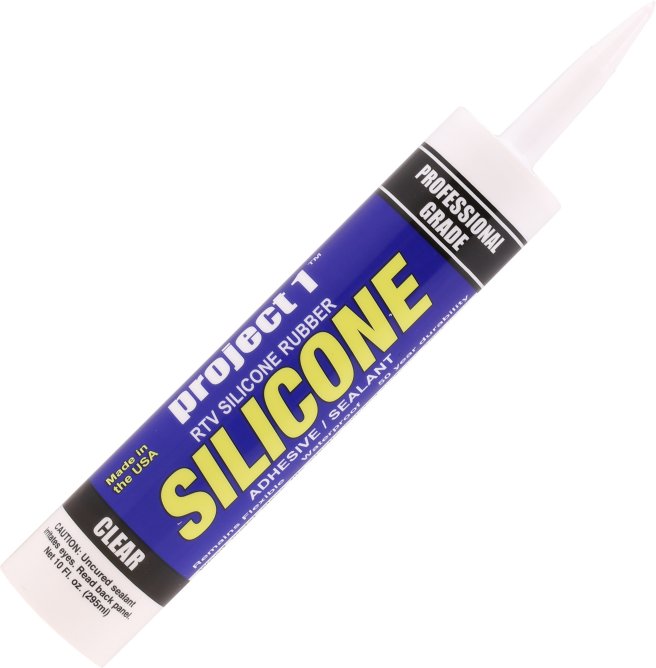
Have you ever found yourself caught in a race against time, desperately trying to figure out how long it takes for silicone to dry? Imagine this: you’re in the middle of a DIY project, armed with your trusty caulking gun, and just when you think you’re finished, the dreaded question arises. How long will I need to wait before I can touch it? The drying time of silicone isn’t just an afterthought; it’s a crucial element that can dictate the success of your project. Let’s navigate through this intriguing question and tackle the challenge of understanding silicone drying times.
1. Understanding Silicone and Its Properties
Silicone is a versatile material revered for its waterproofing abilities, flexibility, and resistance to temperature fluctuations. Yet, not all silicones are engineered the same. There are various formulations, including silicone caulk, silicone sealants, and specialty silicone adhesives. Each type can have different drying times based on its composition and intended use. Understanding these distinctions is imperative before diving into your project.
2. Factors That Influence Drying Times
The drying time of silicone can be influenced by several factors, making it a multifaceted concept. Here are a few key elements to consider:
- Humidity Levels: Higher humidity can prolong drying times, as silicone cures through moisture in the air. Conversely, low humidity may expedite the process, leading to a faster cure.
- Temperature: Ideal drying conditions can range from 40°F to 100°F. Colder temperatures often slow down the curing process, while warmer environments can accelerate it.
- Application Thickness: Thicker applications generally require more time to cure. A thin bead will dry faster than a glob that is applied in haste.
- Type of Silicone: As mentioned earlier, different formulations cater to different applications. For instance, a fast-drying silicone sealant may cure in just a few hours, while a high-quality silicone adhesive might take longer to fully set.
3. General Drying Time Guidelines
Generally, silicone can start to form a skin within 30 minutes after application, which is only the first stage of curing. However, the complete drying time can vary significantly:
- For Silicone Sealants: Most sealants can take approximately 24 hours to fully cure, depending on the factors highlighted above.
- For Silicone Adhesives: These may take anywhere from 24 to 72 hours for a full cure, again depending on environmental conditions and the specific product used.
- For Quick-Drying Formulations: Some specialized silicones can set in as little as 1 to 2 hours. Always check the manufacturer’s instructions.
4. The Role of Patience and Planning
One of the most significant challenges with using silicone is the necessity for patience. It’s tempting to rush through projects or apply finishing touches immediately after application. However, this can lead to disastrous results—a botched seal, ineffective adhesion, or the dreaded peeling of silicone. Aligning your project timeline with the necessary curing time is not just wise, it’s essential.
5. Testing for Full Cure
Once you’ve allowed the silicone to cure, how do you know it’s ready? A simple test involves applying gentle pressure to the silicone. If it feels tacky or begins to deform, it’s a sign you should wait a bit longer. On the flip side, if it’s firm and resilient, congratulations, you’re ready to proceed!
6. Common Misconceptions
It’s also important to debunk common misconceptions surrounding silicone drying times:
- Myth 1: “All silicones dry at the same rate.” As previously discussed, this is far from the truth. Different products can exhibit vastly different curing times.
- Myth 2: “Once it’s dry, it’s invincible.” While cured silicone offers a strong seal, it can still be compromised by extreme conditions, making it essential to consider longevity and upkeep.
7. Additional Tips for Successful Application
To maximize your silicone’s efficacy, follow these best practices:
- Surface Preparation: Ensure the surfaces are clean, dry, and free from dust or grease.
- Ventilation: Adequate airflow can help reduce drying times. Consider working in a well-ventilated area.
- Follow Instructions: Always read the manufacturer’s guidelines, as they provide specific details on drying and curing times.
Conclusion
The quest for understanding silicone drying times can initially seem fraught with challenges, but with the right knowledge and tools, you can navigate these waters smoothly. Whether you’re sealing seams in the bathroom, affixing glass, or undertaking a creative project, knowing how long silicone takes to dry is a key factor of success. So, the next time you’re poised with your caulk in hand, breathe easy—timing is everything, but now you’re equipped to conquer the challenge!









Leave a Comment