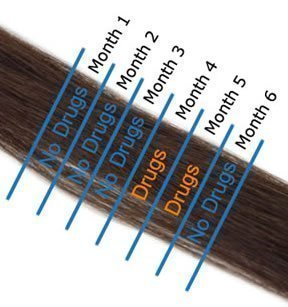
Understanding how long THC, the psychoactive compound in cannabis, remains detectable in your hair is a topic that often sparks debate and curiosity. Many individuals who use cannabis, whether casually or for medicinal purposes, may find themselves in situations where drug testing is a concern. Notably, drug testing via hair follicles is becoming increasingly common due to its ability to provide a longer detection window compared to other methods. This article delves into the various factors that influence how long weed lasts in hair, the mechanics of hair testing, and what you can expect in different scenarios.
1. The Science Behind Hair Testing
Hair testing for drug detection operates on the principle that substances consumed by an individual can be absorbed into the bloodstream and subsequently deposited into hair follicles. The process of hair growth occurs in cycles, averaging around half an inch per month. Once THC enters the hair, it can linger for an extended period, making hair tests valuable for assessing long-term drug use.
2. Detection Window: The Timeline Explained
THC can be detected in hair for up to 90 days or even longer, depending on various factors. The key factors influencing the detection timeline include:
- Frequency of Use: Occasional users may excrete detectable levels of THC for shorter periods, while frequent users can have THC present for much longer. The difference in frequency can lead to significant variations in how long THC is retained in hair.
- Metabolism: Individual metabolism plays a critical role. Those with faster metabolic rates may find that THC clears from their system more rapidly, affecting how long it stays embedded in their hair.
- Hair Characteristics: Hair type, color, and texture can also influence THC retention. For instance, coarser hair may trap substances more effectively than finer hair.
- Hair Length: Since hair grows approximately half an inch per month, the length of an individual’s hair can directly impact the detection window. Longer hair may retain traces of THC over extended periods.
- Hair Care Products: The use of certain hair care products, such as oils or styling gels, may affect how much THC is detectable. Products can either seal in THC or help wash it out, depending on their chemical compositions.
3. Conditions of Hair Growth and Testing
The growth conditions of hair, such as the health of the individual and hormonal factors, can also affect THC retention. For example, stress, nutritional status, and overall health can influence how quickly hair grows and how substances are deposited within it.
4. Types of Hair Tests
Drug testing laboratories often use hair samples for various purposes, including workplace testing and legal cases. Two primary types of hair tests are:
- Standard Hair Follicle Test: This is the most common form of hair testing and can detect the presence of THC and its metabolites over a longer timeframe.
- Panel Tests: Depending on the testing panel used, the examination can vary in sensitivity and the types of drugs detected. Some panels might also explore other cannabinoids, giving a broader picture of substance use.
5. Common Myths and Misconceptions
There are several prevalent myths surrounding hair testing and THC longevity that merit clarification:
- Drinking Water or Detox Products: While many believe flushing the system with water or using detox products can clear THC, these methods are generally ineffective, as THC is embedded in hair and is not affected by hydration.
- Shaving or Cutting Hair: Some individuals resort to shaving their heads in hopes of avoiding a hair test. However, this method is not foolproof, as laboratories can test body hair and may also require additional samples from other areas.
6. Implications for Users
For those who find themselves in situations where hair testing is likely, awareness is key. Understanding the nuances of THC retention can help users make informed decisions. Whether for professional or personal reasons, recognizing how long weed lasts in your hair is crucial for navigating drug screenings effectively.
7. Strategies to Minimize Detection
If you are concerned about THC showing up in hair tests, there are a few strategies that may help minimize detection:
- Abstinence: Ceasing cannabis use is the most effective way to ensure that THC does not accumulate in hair follicles.
- Regular Haircuts: Shortening hair more frequently may help limit the length of hair available for testing, although this method has its limitations.
- Consult Professionals: If faced with drug testing, speaking to professionals regarding your options can provide tailored advice.
Conclusion
Hair testing for THC is a complex process influenced by a multitude of factors, from individual biological differences to external influences. The understanding of how long weed lasts in your hair is essential for anyone concerned about drug testing, whether for employment or legal reasons. Armed with knowledge of the detection window, the science of hair testing, and effective strategies to minimize detection, individuals can navigate the intricacies of hair drug testing with greater confidence.








Leave a Comment