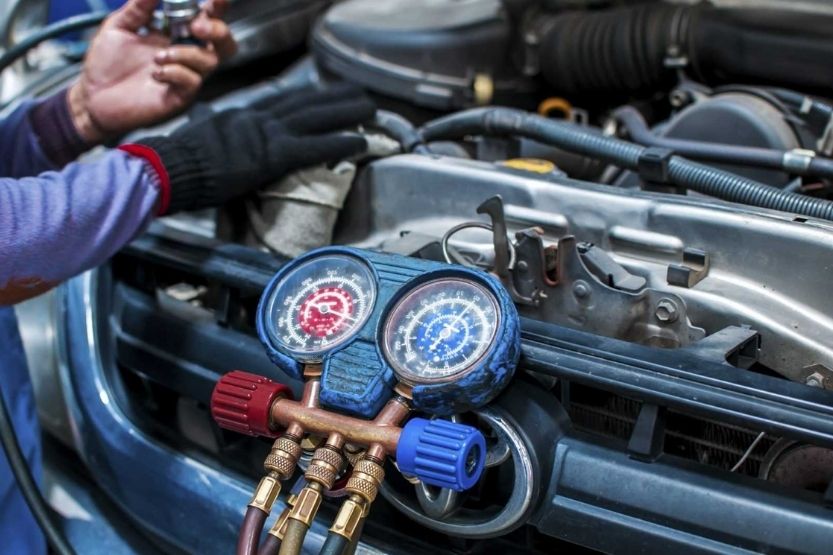
How Much Does A Car AC Cost To Fix?
As the summer sun blazes and temperatures soar, a functioning air conditioning system in your car becomes not just a luxury but a necessity. However, when your air conditioning fails to deliver that coveted chill, the question arises: how much does it cost to fix? Understanding the various intricacies involved in air conditioning repairs can illuminate what to expect and why costs can vary dramatically. This guide will walk you through different aspects that influence car AC repair costs, allowing you to approach your pocketbook with informed caution.
1. Understanding the AC System
The air conditioning system in a car is a marvel of engineering, consisting of multiple components—each of which plays a critical role in cooling the cabin. Central players include the compressor, condenser, evaporator, expansion valve, and various hoses and refrigerants. To appreciate repair costs, one must first understand how these elements interact. A malfunction in one of these components can lead to inefficiencies or complete system failure, necessitating repairs or replacements and influencing the repair bill accordingly.
2. Common AC Problems
Before drilling down into costs, it’s essential to pinpoint the potential problems requiring attention. Common issues include:
- Low Refrigerant Levels: Often due to leaks, a refrigerant refill can be less expensive than a full repair.
- Compressor Issues: A breakdown can be costly, given that this component is the heart of the AC system.
- Condenser Problems: This unit deals with the dissipation of heat; if it fails, cooling efficiency drops significantly.
- Electrical Failures: Wiring issues can lead to malfunctioning controls, often overlooked but potentially pricey to resolve.
Identifying the root cause of the failure is crucial, as it sets the stage for understanding expected repair costs.
3. Diagnostic Fees
Before any repair can commence, a technician must diagnose the issue. Diagnostic fees typically range from $50 to $150, depending on the mechanics’ expertise and location. Some reputable shops may even waive this fee if you choose to proceed with their recommended repairs. The diagnostic process often involves checking the system’s refrigerant levels, inspecting the compressor and other components, and testing electrical connections.
4. Parts Replacement Costs
Once diagnostics are complete, it’s time to consider the cost of replacement parts. The expenditure can vary widely, influenced by the make and model of the vehicle as well as the parts’ quality:
- Refrigerant: Charges typically cost between $100 and $300, depending on the type of refrigerant required (like R-134a or R-1234yf).
- Compressor: A faulty compressor replacement is one of the heftiest expenses, often soaring between $300 and $1,200, including installation.
- Condenser: A condenser replacement might cost between $200 and $700, including labor.
- Evaporator: This part can be incredibly labor-intensive to replace, potentially costing between $600 and $1,000.
Knowing these ranges can help you gauge whether the quoted prices are fair.
5. Labor Costs
Labor charges significantly impact the overall cost of repairs. The hourly rate can range from $75 to $150, depending on geographical location and labor market saturation. Repairs can take anywhere from one hour to several, depending on the complexity of the issue and accessibility of parts. Labor costs can become particularly pronounced when substantial component replacements are required due to their intricate nature.
6. Warranty and Insurance Considerations
Before paying out of pocket, it’s prudent to check if your car warranty provides coverage for AC repairs. Additionally, if you have comprehensive insurance, certain associated costs may be alleviated, depending on your specific policy. Engaging with these documents before incurring costs can reveal significant savings and alleviate financial strain.
7. Tips for Preventing Future Issues
Repairing your AC is no small expense, but many actions can help prolong the life of your system and prevent future malfunctions:
- Regular Maintenance: Have your AC system serviced annually to check for leaks and ensure all components are functioning smoothly.
- Climate Control Usage: Be mindful of how you use the air conditioning system. Utilize the “recirculate” function to improve efficiency.
- Interior Care: Keep window seals in check and ensure cabin air filters are replaced as needed to reduce strain on the system.
Conclusion
Repairing your car’s air conditioning system can be a complex endeavor, with various factors influencing the total cost. From the specific problem identified to the quality of parts and labor, or even the intricacies of warranties, a deeper understanding of these elements empowers you as a consumer. By educating yourself on the potential expenses and taking proactive steps in maintenance, you can maintain both your vehicle’s comfort during the unforgiving summer months and your budget’s integrity. Remember, investing in timely repairs can save you money in the long run while ensuring your driving experience remains enjoyable—no matter the weather outside.








Leave a Comment