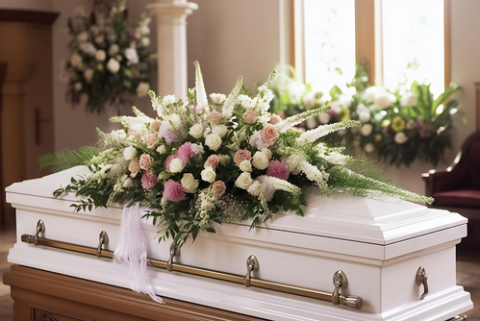
The weight of a casket often elicits a surprising amount of curiosity. It may seem like an inconsequential detail, yet beneath this seemingly mundane inquiry lies a plethora of thoughts on mortality, craftsmanship, and even cultural significance. Understanding the weight of a casket can reflect our perceptions of death and the rituals associated with it. This exploration seeks to unpack the various factors influencing casket weight, while also shedding light on the broader implications of this inquiry.
Casket Composition
The primary determinants of a casket’s weight are its materials. Typically, caskets are manufactured from two categories of materials: wood and metal. Wooden caskets, often crafted from hardwood species such as oak, cherry, or mahogany, offer a traditional aesthetic that resonates with many. The density and type of wood significantly influence the overall weight. For instance, a solid oak casket might weigh anywhere from 150 to 250 pounds, depending on its construction and size.
Metal caskets, on the other hand, are usually made from steel, copper, or bronze. Their weight can range substantially based on the gauge of the steel and the amount of metal used in the fabricating process. A standard steel casket can weigh around 200 to 300 pounds, while more ornate examples, such as those constructed from heavier gauge materials, may tip the scales even higher.
Design Elements and Customizations
The design and custom features of a casket can significantly augment its weight. Caskets can be adorned with intricate carvings, plush interiors, and various embellishments that contribute to their overall heft. A casket embellished with additional padding or luxurious linings, such as velvet or satin, will naturally weigh more than a more austere design. Furthermore, personalization options, including plaques or custom hardware, may also add to the weight, transforming an ordinary casket into a personalized tribute.
Size Matters
A casket’s dimensions directly correlate with its weight. Larger caskets, designed to accommodate larger individuals, may range from 200 to 400 pounds or more. Conversely, caskets tailored for infants or children will be considerably lighter, often weighing in at around 50 to 100 pounds. This size variability serves both practical and symbolic purposes, allowing families to make selections that honor the life and physical form of the departed.
Environmental Considerations
In recent years, there has been a growing interest in environmentally friendly burial options, leading to the creation of biodegradable caskets. Often made from materials such as willow, bamboo, or recycled paper, these caskets weigh significantly less—typically around 50 to 100 pounds. This shift not only raises questions about sustainability but also speaks to cultural transformations in how society perceives death and dying. The lighter weight of biodegradable options reflects a conscious choice towards returning to nature, reinforcing a connection with the earth even in death.
Cultural Influences
Cultural factors also play a considerable role in both casket weight and design. Different cultures have distinct practices and beliefs related to funerary rites and burial. In some cultures, heavier caskets are preferable due to beliefs about protection or reverence for the deceased. In contrast, other traditions might emphasize simplicity and lightness, favoring materials that reflect those values. Thus, caskets are not merely boxes but encapsulations of cultural identity and practices.
Logistical Considerations
The implications of casket weight extend beyond personal choice, delving into practical considerations surrounding transportation and interment. Funeral homes and cemeteries often have equipment in place to handle these heavier items. The transit of a casket can influence the selection process. Families may lean towards lighter options especially if the services involve travel across long distances, as heavier caskets can pose challenges regarding transportation logistics and associated costs.
Cost Implications
Weight and material directly contribute to the cost of a casket. Heavier metals and luxurious woods often come with higher price tags. While a basic wooden casket may start around a few hundred dollars, intricately designed or bespoke options can escalate into the thousands. Understanding the correlation between weight and cost can empower families to navigate their choices with greater clarity during what is often an emotionally charged time.
Conclusion
The question of how much a casket weighs serves as a poignant reminder of the myriad emotions and considerations that encompass end-of-life decisions. From the craftsmanship involved in its construction to the cultural beliefs it embodies, each casket tells a story. Ultimately, weight is not merely a number; it represents a blend of personal choices, cultural significance, and logistical realities. As families wrestle with the substantiality of this inquiry, they engage in a larger dialogue about life, death, and the legacies we leave behind.





Leave a Comment