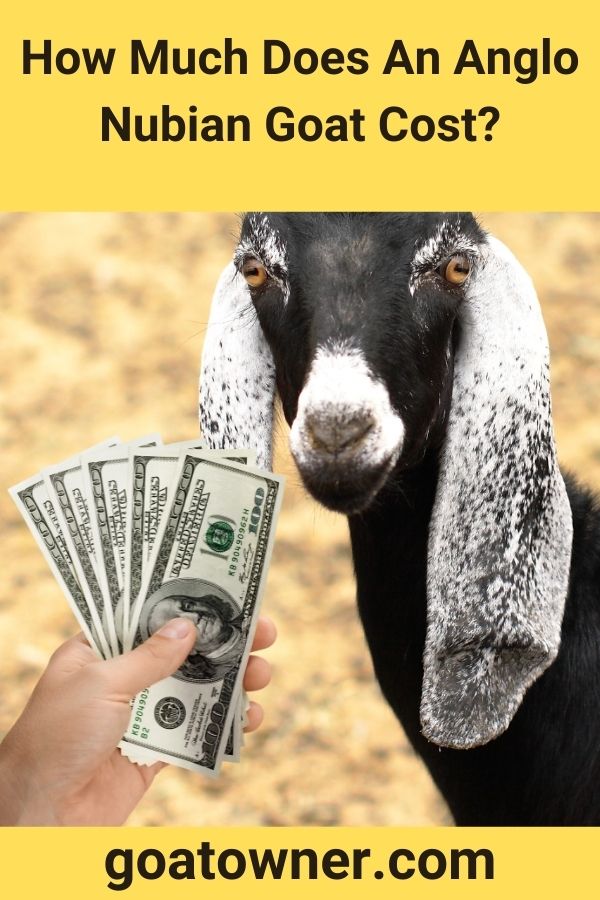
How Much Is A Goat? The humble goat, often underestimated in the realm of livestock, offers a plethora of benefits ranging from companionship to agricultural utility. However, the question of cost varies significantly based on numerous factors including breed, age, purpose, and geographical location. This article delves into these dimensions, succinctly guiding you through the multifaceted considerations surrounding goat ownership and their associated expenses.
1. Understanding Goat Breeds
The first step in determining the price of a goat is to understand the different breeds available. Goats are categorized primarily into three categories: dairy, meat, and fiber. Each breed possesses unique traits impacting both their market value and suitability for specific purposes.
- Dairy Goats: Breeds such as Nubian, Saanen, and Alpine are renowned for their milk production. Prices for quality dairy goats generally range from $300 to $2,000, heavily influenced by the goat’s lineage and milking capabilities.
- Meat Goats: Boer goats are the most sought-after for their meat, with prices varying significantly between $200 and $1,500 based on age and weight. Additionally, quality genetics can dramatically influence cost.
- Fiber Goats: Angora and Cashmere goats are valued for their luxurious fibers. Pricing might be from $100 up to $1,000 or more, depending on the breed and fiber quality.
2. Factors Influencing Price
Beyond breed, several pivotal factors affect the cost of goats. Understanding these can provide a clearer picture of potential investment.
- Age: Young goats, known as kids, are typically less expensive than adults. A weaned kid may cost around $100 to $300, whereas a mature goat ready for breeding or milking can exceed several thousand dollars.
- Purpose: The intended use of the goat—be it dairy production, meat, or companionship—will influence the price. Show-quality goats, bred for competitions, command significantly higher prices due to their superior genetics.
- Geographical Location: Prices can fluctuate based on local demand and supply. In rural areas with high agricultural engagement, goats may be more affordable than in urban centers where livestock is less common.
3. Initial Ownership Costs
When considering goat ownership, it’s crucial to factor in the initial investment required beyond the purchase price. This encompasses various essentials.
- Shelter: Goats need a secure shelter to protect them from harsh weather. Costs for a basic goat barn can range from $1,500 to upwards of $5,000, depending on building materials and size.
- Fencing: Goats are known for their escapades and require sturdy fencing. Budgeting $1,000 to $3,000 for proper fencing is advisable to keep them safe and contained.
- Feeding and Nutrition: Quality feed is paramount for goat health. Expect initial feeding costs to be around $100 to $400 monthly, depending on herd size and dietary requirements.
- Veterinary Care: Regular health check-ups, vaccinations, and deworming are essential. An annual veterinary budget of approximately $200 to $500 is standard.
4. Recurring Expenses
The ongoing costs of goat ownership must not be overlooked. While goats can be a fascinating and rewarding addition to your family or farm, they also come with responsibilities that incur continuous expenditure.
- Feed Costs: As previously mentioned, goats require balanced nutrition, which can be a recurring expense, escalating during harsher climates when pasture is scarce.
- Healthcare: Alongside yearly check-ups, budgeting for unexpected health issues is prudent. Depending on the treatment, costs can arise sporadically throughout the year.
- Breeding Costs: If you’re considering breeding goats, there are additional costs related to finding the right buck, pregnancy care, and veterinary assistance for delivery.
5. Potential Revenue from Goat Farming
Conversely, it’s pertinent to highlight that goats can be profitable investments. Understanding potential revenue streams can make goat ownership economically viable.
- Dairy Production: A dairy goat can produce between 2 to 5 gallons of milk per day, translating to up to $3 to $8 per gallon, depending on market demand.
- Meat Sales: Boer goats can be butchered for meat, with current prices per pound averaging around $3 to $5, establishing a lucrative income source if managed wisely.
- Fiber Sales: High-quality fiber can fetch premium prices on the market, offering an additional income stream for fiber-goat owners.
Conclusion
Deciding to invest in a goat entails a confluence of costs, benefits, and ongoing obligations that require careful consideration. Understanding breed types, factors influencing pricing, initial and recurring expenses, and potential revenue streams can illuminate the intricacies of goat ownership. Ultimately, while the initial price tag might catch your attention, it’s the comprehensive understanding of their upkeep and profits that will shape your success as a goat owner. Whether you seek companionship, dairy, or meat production, goats present a diversified opportunity worth exploring.





Leave a Comment