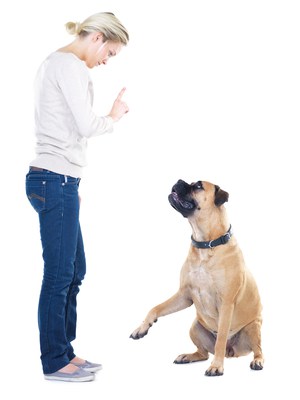
Dogs are often lauded as “man’s best friend,” but with this deep-seated companionship comes the necessity to establish boundaries and promote desirable behaviors. The art of disciplining a dog is not merely about correction; it’s about fostering a well-mannered companion who understands the nuances of your shared life. As you journey through the process of training your canine friend, keep in mind the underlying motives and instincts that drive their behavior. Herein lies a comprehensive guide on how to discipline a dog effectively.
Understanding Canine Behavior
Before delving into disciplinary techniques, it is paramount to grasp the basic tenets of canine behavior. Dogs are inherently social animals, equipped with instincts that compel them to communicate and engage with their human counterparts. Behavioral patterns often stem from their evolutionary background as pack animals. Thus, understanding this hierarchy can enlighten your approach to discipline. For instance, a dog’s propensity for mischief may simply be a manifestation of boredom or a lack of stimulation.
Establishing Clear Boundaries
Establishing clear boundaries is essential for effective dog discipline. This process begins with consistency in commands and rules. Dogs thrive on routine and predictability, so utilizing the same terminology for commands helps them comprehend what is expected. For example, if “off” means to stop jumping on the furniture, it should always convey that singular meaning.
By creating a structured environment, you provide your dog with an understanding of permissible behaviors. Consider employing a rewards system wherein good conduct is positively reinforced, thus promoting an ongoing cycle of acceptable behavior.
Positive Reinforcement Techniques
Positive reinforcement forms the cornerstone of effective dog training. This method involves rewarding your dog for good behavior, which, in turn, encourages them to repeat such actions. Rewards can take the form of treats, verbal praise, or affectionate petting. The key here is timing; to be effective, rewards should be given immediately following the desired behavior. This allows the dog to connect the action with the reward clearly.
Moreover, varying the rewards can sustain your dog’s interest and motivation. Occasionally introducing new treats or toys can reinvigorate the training process, keeping your canine eager to please.
Redirecting Negative Behavior
While positive reinforcement is vital, it is equally important to address negative behaviors promptly. Redirecting your dog’s attention can prove beneficial when faced with undesirable actions such as excessive barking, digging, or chewing. For instance, if your dog is barking at the mail carrier, divert their attention with a toy or a game, thereby shifting the focus away from the stimulus causing the disturbance.
This method can be synergistic with positive reinforcement. When your dog complies and redirects their focus, reward them with praise or treats. This dual approach ensures that your dog learns acceptable alternatives to their original behavior.
Setting Consequences
Establishing consequences for undesirable behaviors is an integral aspect of dog discipline. However, it is crucial to execute this with care. Consequences should never be punitive or harsh, as this can lead to fear and anxiety in your dog. Instead, opt for gentle corrections, such as a firm “no” or a brief time-out in a designated area. This concept of exile from a rewarding environment should be clearly understood by the dog as a consequence of misbehavior.
Consistency is key; if certain behaviors lead to certain consequences, the dog will begin to associate actions with outcomes. It is essential to remember that these consequences should be immediate and directly related to the misbehavior to be effective.
Patience and Persistence
Patience cannot be overstated when it comes to disciplining a dog. Behavioral changes take time, and dogs may not grasp commands immediately. It is imperative to remain calm and persistent, reiterating commands and reinforcing positive behavior consistently. Training sessions should be kept short and engaging to hold your dog’s attention. This balance will foster a love for learning and a deeper bond between you and your canine companion.
The Role of Socialization
Socialization plays a pivotal role in raising a well-mannered dog. Exposure to different environments, people, and other animals from an early age helps mitigate fears and anxieties. It is essential to vary these experiences while ensuring they remain positive. If a dog has a positive encounter while meeting new strangers, they will be less likely to display aggressive or fearful behaviors. An adequately socialized dog tends to be more adaptable and open to training, making discipline far less cumbersome.
Fine-Tuning Communication
Effective communication between you and your dog is essential for successful discipline. Canine body language is nuanced; learning to interpret these signals can immensely improve your training methodology. For instance, a dog’s wagging tail does not always signify joy; it can also indicate excitement or anxiety. By being attuned to your dog’s behavioral signals, you can modify your training approach accordingly, ensuring that it resonates with their unique personality and emotional state.
Emphasizing the Bond
Lastly, while discipline is crucial, nurturing the bond between you and your dog is equally important. Spend quality time together outside of training sessions. Engage in play, go for walks, or just cuddle on the couch. As your dog perceives your companionship as a source of joy and comfort, they become more receptive to your guidance. This deep-rooted trust will facilitate smoother and more effective training experiences.
In conclusion, disciplining a dog is an intricate endeavor that extends far beyond mere correction. By understanding canine behavior, establishing clear boundaries, and utilizing positive reinforcement, you can cultivate a harmonious relationship where both you and your dog thrive. The journey of dog discipline is paved with patience, understanding, and an unwavering commitment to fostering a well-adjusted companion, ultimately paving the way for a fulfilling partnership for years to come.











Leave a Comment