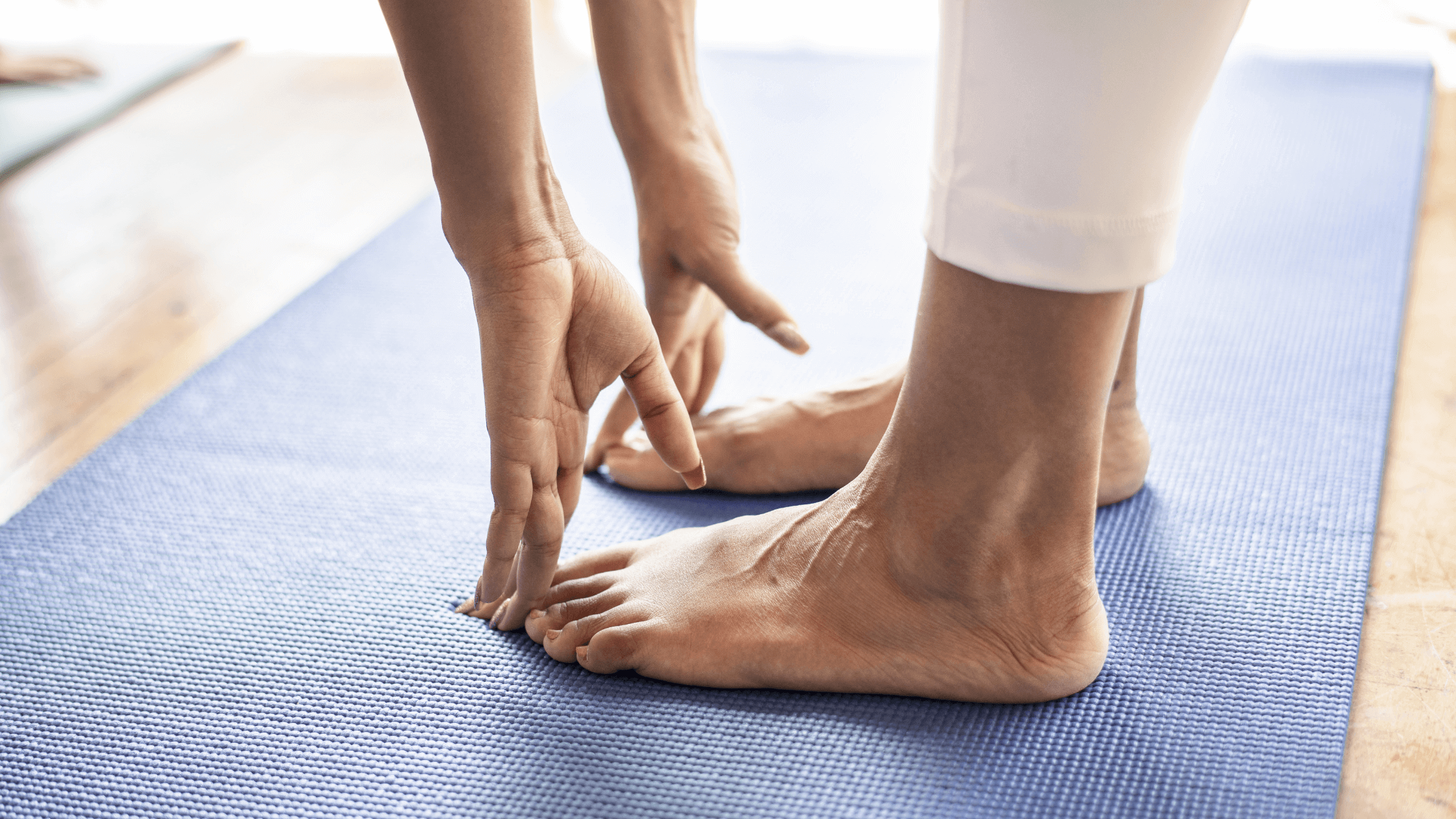
When it comes to overall health, good circulation often takes a backseat, overshadowed by discussions of diet and exercise. Yet, the feet—our often-overlooked transporters—demand attention. Inadequate circulation can lead to discomfort, numbness, and even more severe health issues. Whether due to lifestyle choices, long hours of standing, or certain medical conditions, many people find themselves wondering, “How can I enhance circulation in my feet?” Here, we unveil various strategies to invigorate your foot circulation, offering a refreshing perspective that might just motivate you to change your approach to foot health.
1. Understand the Importance of Foot Circulation
The first step in improving circulation is grasping its significance. Blood travels from the heart to nourish every cell, including those in the feet. Proper circulation ensures that tissues receive vital oxygen and nutrients while also aiding in toxin removal. Poor circulation can manifest in various ways—cold feet, cramping, numbness, or even skin discoloration. Realizing that your feet are not merely appendages but crucial components of your overall well-being empowers you to take action.
2. Incorporate Regular Movement
Prolonged immobility is one of the leading culprits of poor circulation. Simple, mindful movements can work wonders. Consider integrating foot exercises, which involve flexing, pointing, and rotating the toes. Even standing up and walking around periodically can invigorate blood flow. When seated, alternate between sitting cross-legged and placing your feet flat on the floor. Such transitions stimulate blood flow and alleviate pressure on veins.
3. Wear Proper Footwear
The significance of suitable footwear cannot be overstated. Ill-fitting shoes can constrict blood vessels, impeding circulation. Opt for shoes that offer ample room, particularly in the toe box. Materials that allow breathability, such as leather or canvas, can help maintain optimal temperature and moisture levels. Additionally, consider using compression socks, which can both enhance circulation and offer support, especially during long periods of standing or sitting.
4. Elevate Your Feet
Elevation is an ancient remedy for many physical ailments, and it holds true for circulation, too. By raising your feet above heart level—whether by propping them on a pillow or leaning them against a wall—you facilitate gravity in promoting blood return to the heart. Aim for a 15- to 20-minute elevation session regularly, especially after a long day on your feet. This simple act can alleviate swelling and enhance blood flow.
5. Embrace the Power of Heat and Cold
Temperature plays a pivotal role in blood circulation. Warm showers or foot baths can dilate blood vessels, promoting an increased flow. Experiment with alternating between hot and cold foot baths; the contrast can stimulate circulation through the dilation and constriction of blood vessels. Consider adding natural substances, like Epsom salts or essential oils, to enhance the experience further.
6. Prioritize Hydration and Diet
Your diet directly influences blood health. Incorporate foods rich in omega-3 fatty acids, such as fish, flaxseeds, and walnuts, as these support vascular health. Antioxidants, found in fruits and vegetables, can reduce inflammation and promote circulation. Additionally, staying well-hydrated is crucial; dehydration can thin your blood and complicate circulation. Aim to drink plenty of water throughout the day while incorporating hydrating foods. Foods like cucumbers and watermelon are excellent choices.
7. Quitting Smoking and Reducing Alcohol Intake
Both smoking and excessive alcohol consumption are detrimental to vascular health. Nicotine constricts blood vessels, impairing circulation to the extremities. Similarly, alcohol can lead to dehydration, hindering the body’s ability to circulate blood efficiently. Recognizing the long-term benefits of reducing these vices not only enhances circulation but can also foster an improved quality of life overall.
8. Explore Massage Techniques
Massage isn’t just a luxury; it’s a powerful tool for circulation. Whether self-administered or received by a professional, massage stimulates blood flow and soothes tired muscles. Consider focusing on the arch of the foot, the balls, and the heels. Gentle circular motions using the thumbs can also enhance blood flow and invigorate the nerves. Exploring reflexology techniques can yield even greater benefits, as specific points on the feet correspond to various bodily systems.
9. Engage in Mindfulness and Relaxation
Stress and anxiety can lead to tension-related issues, including impaired circulation. Engaging in mindfulness practices, such as yoga or meditation, cultivates a more relaxed state. Certain yoga poses—like those that involve inversion or leg stretches—promote blood flow to the feet. Incorporating deep-breathing exercises can similarly enhance oxygenation and blood flow throughout the body.
10. Consult with Healthcare Professionals
Sometimes, the best course of action involves a professional assessment. If you experience chronic foot circulation issues, consult with healthcare providers. They may recommend specific tests to rule out conditions such as peripheral artery disease or diabetes. Proactive dialogue with a doctor can lead to tailored strategies that address your unique concerns.
In conclusion, nurturing foot circulation is a multifaceted endeavor that requires awareness and active participation. By exploring these strategies, you not only empower your feet but also open doors to a healthier lifestyle. Every step taken towards better circulation is a step towards overall wellness. Remember, investing time in the care of your feet can yield profound rewards, enhancing not just your mobility but your quality of life as a whole.










Leave a Comment