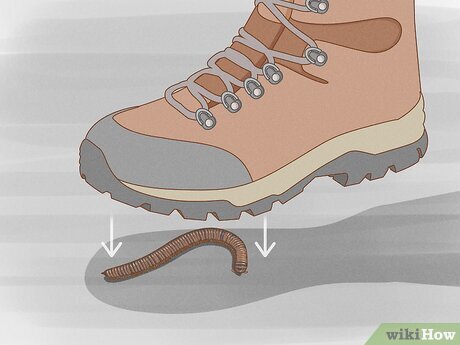
Millipedes, often mistaken for centipedes due to their elongated bodies and multi-segmented formats, evoke a curious blend of fascination and apprehension. With their two pairs of legs per body segment, they move with a curious rhythm that many find intriguing. More than just a driving force of childhood wonder, these arthropods can become unwelcome inhabitants in your home or garden. Their tendency to congregate in damp, dark places and their penchant for soft decaying plant material can lead to an infestation. Understanding how to effectively get rid of millipedes is essential for any homeowner. Here’s a comprehensive guide to navigating this pesky predicament.
1. Identify the Problem
Before taking action, it is vital to ascertain whether millipedes are indeed the culprits invading your space. Not to be confused with their more menacing relatives, centipedes, millipedes are not venomous and primarily pose no threat to humans. Their presence is often a sign of excessive moisture or decaying organic matter. Observe their numbers and locations to gauge the severity of the situation.
2. Understand Their Habitat
Millipedes thrive in environments rich in moisture. They often infiltrate homes, especially in the spring and fall, when they seek refuge from the changing weather. Typically, they inhabit areas with abundant leaf litter or decomposing plant material. Recognizing their preferred habitats can provide insight into how to prevent and eliminate these pests from your surroundings.
3. Moisture Control
Given their affinity for humid environments, reducing moisture levels in and around your home can deter millipedes. Here are a few effective approaches:
- Repair Leaks: Regularly inspect pipes, gutters, and downspouts for leaks. Repair any cracks or holes that might allow moisture to seep through.
- Improve Drainage: Ensure that water drains away from your home’s foundation. Consider installing drainage systems or regrading your yard.
- Dehumidifiers: Utilize dehumidifiers in damp basements or crawl spaces to reduce overall humidity levels.
4. Seal Entrances and Exits
Millipedes can find their way indoors through the smallest of openings. Sealing entry points is crucial in preventing their incursion:
- Inspect Windows and Doors: Ensure that all windows and doors are tightly sealed. Install screens where necessary.
- Close Cracks: Use caulk to patch any gaps found in the foundation, as well as cracks around windows and doors.
- Ventilation Covers: Secure ventilation and utility openings that could serve as unwelcome entryways for these pests.
5. Eliminate Food Sources
Millipedes primarily consume decomposing organic matter. Thus, by removing potential food sources, you can significantly reduce their presence:
- Yard Maintenance: Regularly rake leaves and remove any debris that may provide a hiding spot.
- Maintain Lawn: Keep your lawn well-trimmed. Not only does this discourage millipedes, but it also promotes a healthier yard.
- Compost Wisely: If you maintain a compost pile, ensure it is located away from your home and managed properly to reduce excess moisture.
6. Use Natural Deterrents
When handling millipede woes, consider natural remedies that can effectively deter them without the use of harsh chemicals:
- Cedar Mulch: Spread cedar mulch around your garden beds. The natural oils in cedar are unappealing to millipedes and many other pests.
- Essential Oils: Certain essential oils, such as peppermint or tea tree oil, can be diluted and sprayed around entryways to create a barrier.
- Potatoes and Traps: Set out potato slices as traps. Millipedes are naturally attracted to them, making it easier to remove them from your space.
7. Chemical Solutions
If the infestation remains unmanageable despite taking preventive measures, chemical solutions can provide a more aggressive approach:
- Insecticidal Sprays: Utilize commercially available insecticidal sprays specifically designed for soft-bodied insects. Follow manufacturer instructions diligently.
- Granular Treatments: Consider using granules that can be spread around the perimeter of your property as a preventative measure.
- Consult Professionals: If the millipede problem persists, it may be beneficial to contact a professional pest control service that can administer targeted treatments.
8. Monitor and Adapt
After implementing your eradication strategy, consistently monitor the situation. If millipedes reappear, reassess your home and yard for any lingering moisture issues or unsealed entry points. Adapt your methods as necessary, incorporating additional tactics or switching to chemical treatments as the situation demands.
In conclusion, while millipedes can initially evoke intrigue with their myriad legs and curiously slow locomotion, they often become unwelcome guests in our ecosystems. Through a combination of moisture control, habitat management, food source elimination, and vigilant monitoring, it is possible to rid your home of these persistent arthropods. By understanding their behavior and preferences, one can not only address an immediate concern but also ensure a lasting environment inhospitable to their return. The journey to becoming millipede-free may be intricate, but it is certainly a manageable one.







Leave a Comment