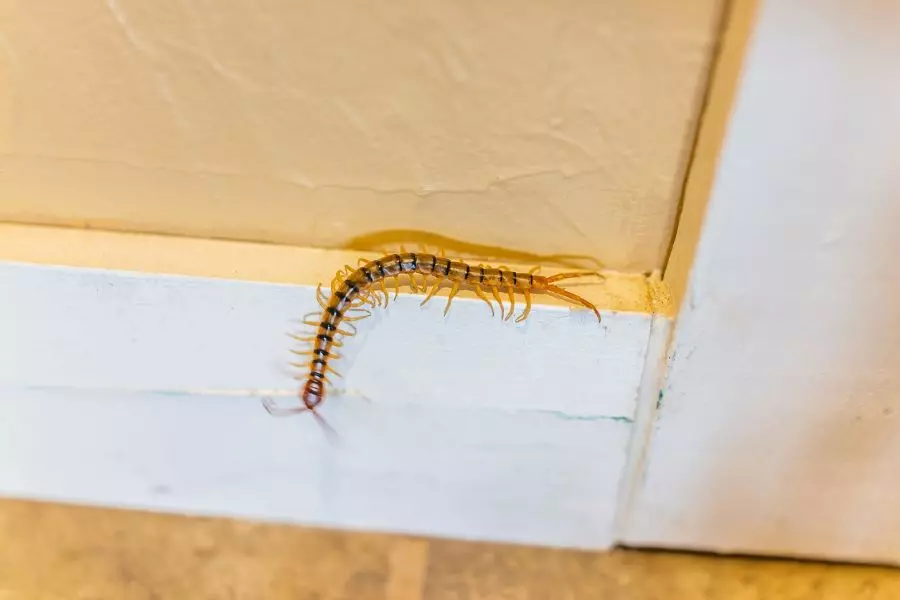
Imagine a serene room, a sanctuary designed for relaxation and creativity. Yet, lurking within its corners and crevices are unwelcome intruders—bugs and centipedes. These tiny inhabitants of the world, often unseen, can transform your haven into a veritable battleground. To maintain the tranquility of your personal space, it’s essential to employ a series of strategies to keep these critters at bay. Here’s an extensive guide designed to equip you with effective techniques to safeguard your room from these six-legged intruders.
1. Declutter with Purpose
The battleground begins with clutter. A disorganized space is akin to a banquet, inviting pests to feast upon food crumbs and hidden nesting spots. Start by methodically decluttering your room—remove any items that are no longer needed or have accumulated dust. Tidy surfaces and maintain a minimalist environment. This not only curtails the hiding spots for bugs but also enhances the aesthetics of your space.
2. Seal the Perimeter
Think of your room as a fortress with walls that require fortification. Inspect windows, doors, and any gaps that serve as entry points for pests. Use caulk to seal cracks and consider weather stripping for doors and windows. This barrier functions as a sentry, keeping your room off-limits to unwanted guests. Pay special attention to utility lines and plumbing fixtures, as these are often overlooked portals for intrusion.
3. Maintain a Hygienic Environment
For bugs, cleanliness is a half-hearted deterrent; however, it remains your strongest ally. Regular cleaning—such as vacuuming carpets, sweeping floors, and dusting surfaces—will obliterate food sources and egg deposits. Adopt a routine, perhaps even monthly deep cleaning, which can serve as a ritual to foster a sanctuary free of pests. Utilize an essential oil-infused cleaner to add a pleasant aroma while stripping away potential nesting materials.
4. Use Natural Repellents
Rather than engaging in an all-out war with chemical agents, consider turning to nature’s arsenal of pest-repelling botanicals. Essential oils like peppermint, lavender, and tea tree are not only fragrant but also act as formidable barriers to bugs and centipedes. Create a simple spray solution with water and several drops of essential oil, and apply it around windows, doors, and other entry points. This will create an atmosphere that is unwelcoming to pests while still appealing to your senses.
5. Implement Sticky Traps
Sticky traps serve as an effective means of monitoring and mitigating pest presence. Position these discreetly around the room, particularly near suspected entry points or infested areas. They act as both a deterrent and an early warning system—capturing those brave enough to defy your carefully curated borders. Analyze these traps to discern the types and frequencies of intrusions; knowledge is power on the battlefield.
6. Control Moisture Levels
Many pests thrive in damp environments, turning New Haven into a paradisiacal setting for their existence. Combat this by regulating humidity levels within your room. Use dehumidifiers in particularly humid areas and ensure proper ventilation. Regularly check for leaks or condensation around windows and pipes, as these superficial inconveniences may herald bigger pest problems. By controlling moisture, you deprive bugs of their sanctuary.
7. Mind the Entrances
Doors and windows are not just physical barriers; they are gateways to your room’s serenity. Install door sweeps at the bottom of doors to thwart any ambitious centipede attempting to squeeze through. Ensure window screens are intact, devoid of tears or gaps that could allow bugs to slither in uninvited. Every small act you undertake contributes to the fortification of your space.
8. Attract Natural Predators
Encouraging beneficial insects into your vicinity can naturally regulate the population of rogue bugs. Ladybugs and lacewings are two examples of biological control agents that feast on aphids and other pesky six-legged interlopers. Consider introducing them to your outdoor space or room balcony, if applicable. Not only do they serve a purpose, but they also introduce an element of natural beauty and ecological balance.
9. Plant Barrier Plants
Some flora are renowned for their pest-repelling properties. Plants like marigolds and citronella are aesthetically pleasing while simultaneously deterring insects. Strategically place these plants near entrances or window boxes, creating a beautiful yet functional barrier around your domain. A thriving potted garden acts not only as a natural repellent but as a soothing visual to enhance your ambiance.
10. Consult Professionals When Necessary
Eventually, even the most meticulous defender may require reinforcements. If you find yourself overrun despite your best efforts, it might be time to consult a pest control professional. They possess the expertise and tools to identify and eradicate infestations effectively. This step ensures complete relief from an ongoing invasion, enabling you to reclaim your peaceful retreat once more.
Maintaining a sanctuary free from bugs and centipedes is an ongoing commitment—a delicate dance between nature and nurture. With a thoughtful combination of cleanliness, natural deterrents, and proactive strategies, you can ensure your room remains an oasis, inviting you to relax, rejuvenate, and flourish. Implement these guidelines with intention, and you will find that the serenity of your space can remain undisturbed, allowing you to bask in sanctity amidst a world of chaos.









Leave a Comment