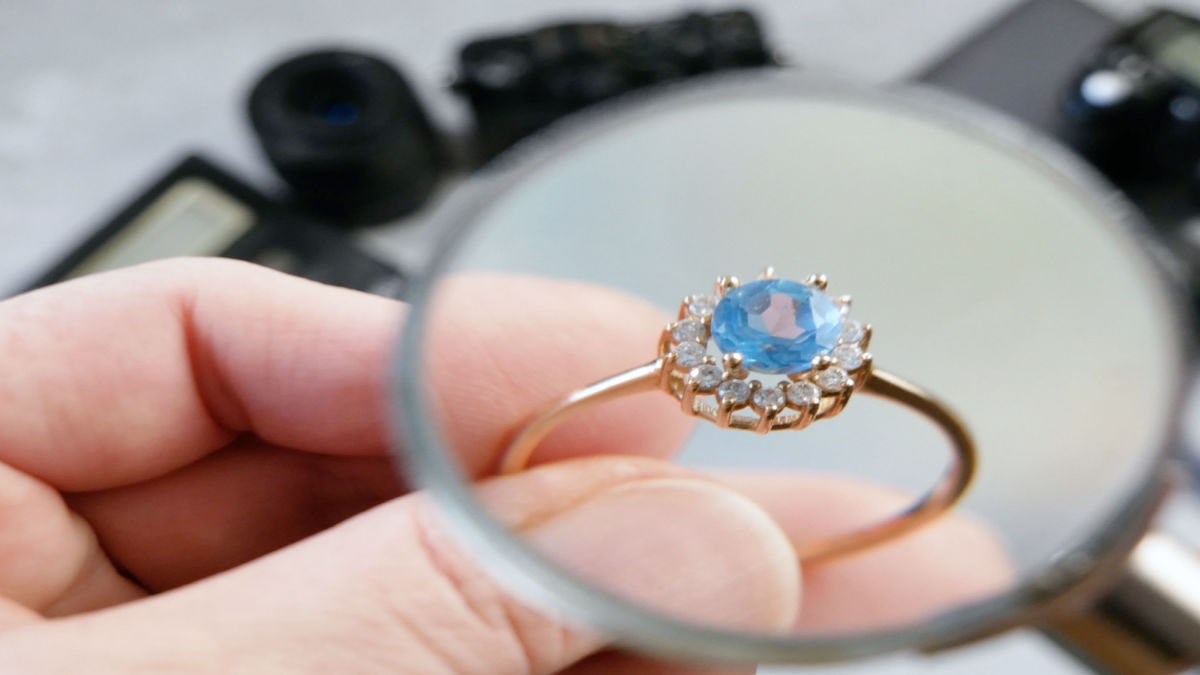
When it comes to adorning oneself with jewelry, nothing evokes the allure of opulence quite like gold. But how can one discern whether that enticing piece is indeed authentic gold or merely a clever imitation? Here’s a playful question for you: Would you be able to tell the difference between a genuine, shimmering piece of gold jewelry and a cheap counterfeit, especially under dim lighting? In an age where skillful artisanship breathes life into ingenious replicas, distinguishing real gold from impostors poses an exhilarating challenge. Here are several meticulous techniques to help you unveil the authenticity of your gold treasures.
1. Examine the Hallmark or Stamp
Most genuine gold jewelry will bear a hallmark, which is a small stamp that indicates its purity and authenticity. This stamp usually consists of a karat number, such as 10K, 14K, 18K, or 24K, which indicates the gold content. Additionally, some pieces may carry a manufacturer’s mark. Ensure that the hallmark is located in a discreet but accessible spot; oftentimes, it can be found on the clasp or inner band of rings. Remember, though, that counterfeiters can mimic these stamps, so you must employ additional methods to bolster your findings.
2. Conduct a Magnet Test
Gold is non-magnetic and will not react to magnets. Grabbing a magnet from your refrigerator, try bringing it close to your jewelry. If the piece sticks, it likely contains other metals, signaling that it is not genuine gold. However, if it remains unperturbed, you may be in possession of real gold. Bear in mind this test isn’t foolproof, as some faux gold might also be non-magnetic; hence, consider this a preliminary procedure rather than a definitive conclusion.
3. Perform the Acid Test
If you’re willing to embrace a more empirical approach, consider the acid test. This method involves applying a drop of nitric acid to a discreet area of the jewelry. Genuine gold won’t react to the acid, while gold-plated or fake pieces will exhibit discoloration or corrosion. It’s crucial to use this method cautiously, as it can cause irreversible damage to the item. If you’re concerned about potential harm or lack the necessary knowledge, consulting a professional jeweler is advisable.
4. Inspect Color and Appearance
Real gold boasts a warm, rich hue that remains consistent throughout. On the contrary, gold-plated items may appear brilliant and shiny but often display a noticeable layer of yellow on top of another metal beneath. Examine the surface closely; genuine gold maintains a persistent color without flaking or fading. Look for any signs of tarnishing or discoloration, which often indicates an alloy rather than pure gold. Moreover, if the piece is intricately designed, observe the craftsmanship; pieces with genuine artistry often reflect quality and attention to detail.
5. Weigh the Jewelry
Gold is denser than most other metals. If you have access to a precise scale, weigh the piece and compare it to your knowledge of gold’s density. Typically, gold weighs about 19.3 grams per cubic centimeter. If the weight seems significantly lighter than expected, it might be a sign that the item isn’t genuine gold. This test requires a bit of mathematical calculation, but it’s a reliable method of verification.
6. Utilize the Water Test
The water test offers a simple yet effective way to gauge authenticity. Fill a glass with water and gently drop your jewelry into the glass. If the piece sinks, it’s likely real gold; if it floats, there’s a good chance it’s not. This principle operates based on the density of gold compared to most imitation materials, making it a quick and easy test to conduct. However, like the others, this test should be combined with additional verification methods for a more accurate assessment.
7. Seek Professional Appraisal
If uncertainty still clouds your judgment after using these various techniques, it may be time to consult a professional appraiser. Jewelers possess specialized equipment and expertise that allow them to evaluate your jewelry’s authenticity more conclusively. A professional appraisal not only confirms whether your piece is genuine gold but can also provide insights regarding its value and possible resale opportunities.
8. Be Cautious When Purchasing
Knowledge is power, especially when it comes to buying gold jewelry. Always ensure you’re making purchases from reputable sources. Inquire about return policies, and don’t hesitate to ask jewelers for certification or authenticity guarantees. Engaging in research about various gold qualities and the reputation of the seller can shield you from falling victim to deceptive practices.
In essence, unraveling the true nature of your gold jewelry can be a thrilling journey fraught with revelatory discoveries and potential pitfalls. Employing these techniques not only enriches your understanding but ensures that your investments are safeguarded. Whether you choose to trust your instincts or seek expert advice, being informed about how to distinguish real gold from its counterfeit counterparts does ultimately enhance the joy of jewelry shopping. Embrace the challenge, because in the end, the right piece of jewelry is more than just an adornment; it’s a reflection of your discernment and taste.










Leave a Comment