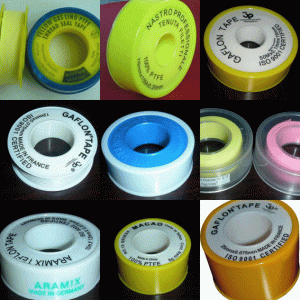
In the world of plumbing, one might not immediately associate the humble roll of Teflon tape with the intricacies of complex installations or the resolution of stubborn leaks. Yet, this unassuming tool can be a cornerstone of effective plumbing practices, promising a profound shift in how you view water-tight connections. Understanding how to properly utilize Teflon tape can not only simplify plumbing tasks but also enhance the longevity and reliability of your plumbing systems. Let’s dive into the nuances of Teflon tape, its applications, proper usage techniques, and some insightful tips for optimal results.
Understanding Teflon Tape
Teflon tape, formally known as polytetrafluoroethylene (PTFE) tape, is a chemical-resistant substance primarily used for sealing threaded joints. Its inherent non-stick properties prevent substances from adhering, thereby facilitating easier disassembly and maintenance—a paramount feature in the intricate dance of plumbing components.
This tape is often found in a plethora of colors, each signifying different uses or thicknesses. While the standard white tape is the most widely recognized, there are green and yellow variants specifically designed for gas and high-pressure applications respectively. Selecting the appropriate type is crucial to ensure the safety and efficacy of your plumbing projects.
When to Use Teflon Tape
Knowing when to deploy Teflon tape can make the difference between a successful plumbing venture and a frustrating experience fraught with leaks. Generally, Teflon tape is employed in the following scenarios:
- Threaded Pipe Connections: Whether it’s pipe fittings or hose connectors, Teflon tape is a must-have in threaded applications. It fills the microscopic gaps between the threads, creating a seal that prevents water from seeping through.
- Faucet Installations: When installing or replacing faucets, wrapping the threads with this tape ensures a tight seal, eliminating the risk of moisture escaping around the joints.
- Water Heater Connections: A water heater is often a sizeable investment. Utilizing Teflon tape on its connections is a prudent measure to safeguard against leaks, extending the life of both the heater and the surrounding structures.
- Plastic Fittings: When threaded plastic fittings are involved, Teflon tape can help mitigate any potential leak issues, offering peace of mind through effective sealing.
How to Apply Teflon Tape
Applying Teflon tape is not merely a haphazard act but an art form that requires precision and attention to detail. Here’s a structured approach to ensure an impeccable application:
- Preparation: Start by cleaning the threads on the pipe and the fitting. Remove any old tape, dirt, or debris that may inhibit a strong seal.
- Choosing the Right Length: Cut a length of Teflon tape that is sufficient to wrap around the threads approximately 2-3 times. Longer pipes may require more tape, while shorter connections may suffice with less.
- Direction Matters: Wrap the tape around the threads in the same direction as the threading. This is crucial, as wrapping it the opposite way will cause the tape to unravel when you tighten the connection.
- Smooth Application: Start at the base of the threads, applying the tape smoothly without overlapping excessively, ensuring even coverage while avoiding bunching.
- Final Touch: When reaching the end of the threads, cut the tape with a sharp edge, ensuring it doesn’t fray. This step reinforces the integrity of your seal.
Common Mistakes to Avoid
While Teflon tape is an invaluable asset, it is easy to fall into common traps that can lead to leaks and potential plumbing disasters. Here are some pitfalls to sidestep:
- Overuse: Applying too much tape can hinder the success of the connection and lead to leaks. Remember, a few wraps should suffice!
- Incorrect Application Direction: As highlighted earlier, improperly wrapping the tape can undermine the repair and cause frustration. Pay attention to detail!
- Neglecting the Thread Type: Teflon tape is not universally applicable. It is unsuitable for compression fittings and should not be used on situations requiring metal-on-metal connections.
Additional Tips for Success
To elevate your plumbing endeavors further, consider these additional pointers when working with Teflon tape:
- Use Sparingly: Employ Teflon tape more like a gentle caress than a heavy blanket. The goal is to create a snug fit, not a bulky one.
- Inspect Regularly: After installation, monitor the connections for any signs of moisture. A proactive approach can prevent extensive damage down the line.
- Educate Yourself on Chemical Compatibility: In situations where aggressive chemicals or high temperatures are involved, ensure the tape is compatible to avoid degradation.
In conclusion, the proper use of Teflon tape is a game changer in the realm of plumbing. Armed with the right knowledge and careful application techniques, this powerful tool can help you not only secure water-tight connections but also foster a deeper appreciation for the intricate systems we often take for granted. The seemingly simple act of wrapping threads holds the potential to transform plumbing issues into triumphs, invoking a new perspective on maintenance and efficiency. Approach your next project with confidence, knowing that with Teflon tape in your toolkit, you are well-equipped to navigate the complexities of plumbing with finesse.









Leave a Comment