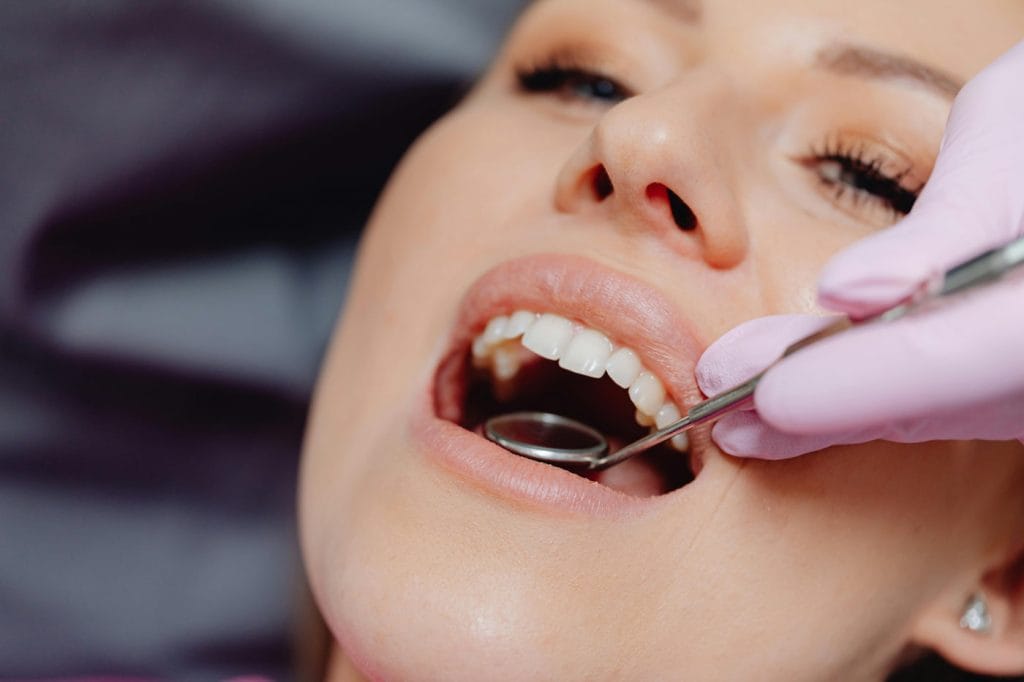
Picture this: you’ve just finished an intense basketball game, your heart’s still racing, and you pull out your mouthguard. It’s a bit slimy and smells less than pleasant. How can something so essential for protecting your pearly whites end up harboring germs and odors? Thus arises the challenge: how can you effectively wash your mouthguard to ensure it remains hygienic and well-maintained? In this guide, we’ll navigate the ins and outs of mouthguard maintenance, exploring the best practices for cleaning and preserving this critical piece of athletic gear.
First things first—understanding the composition of mouthguards can shed light on the best cleaning methods. Typically made from thermoplastic or silicone materials, mouthguards are designed to absorb impact during high-contact sports. While their durability is commendable, they can also become a breeding ground for bacteria if not correctly cleaned and cared for. Let’s dive into the essential protocols for keeping your mouthguard fresh and effective.
1. Rinse Immediately After Use
As soon as the final whistle blows or the game concludes, give your mouthguard a quick rinse under cool running water. This initial step is crucial for removing saliva and any residual food particles. Think of it as giving your mouthguard a refreshing shower, which will help mitigate stubborn odors and keep it looking pristine.
2. Utilize a Mild Soap Solution
To take cleanliness a step further, prepare a gentle soap solution. Use a soft, unscented dish soap mixed with warm water. It’s essential to avoid harsh detergents or chemicals that might degrade the material. Gently scrub your mouthguard with a soft-bristled toothbrush or a cloth. This method dislodges bacteria and plaque that may have accumulated during use.
3. Consider an Antimicrobial Mouthwash
For an additional layer of defense, consider soaking your mouthguard in an antimicrobial mouthwash for a brief span of 10-15 minutes. This technique is particularly effective for killing lingering bacteria. Just remember to rinse thoroughly with water afterward, as leaving any residual mouthwash can lead to undesirable tastes during your next wear.
4. Air Dry Naturally
After cleaning, the drying method is paramount. Avoid using heat sources, such as hair dryers or direct sunlight, as high temperatures can warp the mouthguard. Place your mouthguard on a clean towel in an open area, allowing it to air dry completely. Proper drying helps thwart the growth of bacteria and maintains its structural integrity.
5. Store Properly
Once your mouthguard is clean and dry, proper storage is essential. Invest in a ventilated case that allows air circulation while keeping dust and contaminants at bay. Avoid leaving it in hot environments, such as your car, as excessive heat can distort its shape. Adhering to these storage guidelines will prolong its lifespan significantly.
6. Regular Inspections
Conduct routine inspections of your mouthguard for signs of wear and tear. Look for cracks, tears, or discoloration; if any of these imperfections are present, it may be time to replace it. Protecting your smile is paramount, and a compromised mouthguard is no longer serving its purpose effectively.
7. Replace When Necessary
Mouthguards don’t last forever. The general recommendation is to replace your mouthguard every six months to a year, depending on frequency of use and the intensity of wear it endures. If you notice changes in fit or comfort, that’s an indicator for a timely replacement. Keeping a sharp eye on your equipment ensures maximum protection.
8. Educate Yourself on Signs of Bacteria
Besides the unpleasant odors, be aware of other signs of bacterial accumulation, such as discoloration or a slimy texture. If your mouthguard has become a petri dish for germs, it may be time for urgent action, including thorough cleaning or replacement. Staying informed about these indicators can lead to better hygiene practices.
9. Embrace Professional Cleaning Options
For those who seek a complete overhaul of cleanliness, some dental practices offer professional mouthguard cleaning services. These can utilize advanced sterilization techniques that are often more effective than home remedies. If you feel uncomfortable with your cleaning routine or want to ensure it’s impeccably sanitized, this might be a worthwhile investment.
10. Develop a Maintenance Routine
Finally, establish a consistent routine for mouthguard care. Integrate cleaning into your post-game rituals and make it a habit. By keeping up with regular maintenance, you empower yourself to enjoy your sports without compromising your oral health.
In summary, maintaining the cleanliness of your mouthguard ensures it remains a potent defender against dental injuries while contributing to your overall health. Through immediate rinsing, diligent cleaning, and proper storage, you can elevate the hygiene of your mouthguard to a higher standard. With these tips, you can face the challenge of keeping your mouthguard in top condition and continue enjoying your favorite sports without a hitch. Now, what’s stopping you from ensuring that sparkling, hygienic barrier for your smile?








Leave a Comment