Imagine enjoying your favorite meal, only to suddenly be greeted by a sharp pang of discomfort in your mouth. Have you ever wondered what it means when you experience the irritation of inflamed taste buds on your tongue? This seemingly innocuous occurrence might present a unique challenge, prompting lingering questions about its causes, symptoms, and potential remedies. Let’s delve into the intriguing world of inflamed taste buds and uncover the multifaceted aspects of this condition.
What Are Taste Buds?
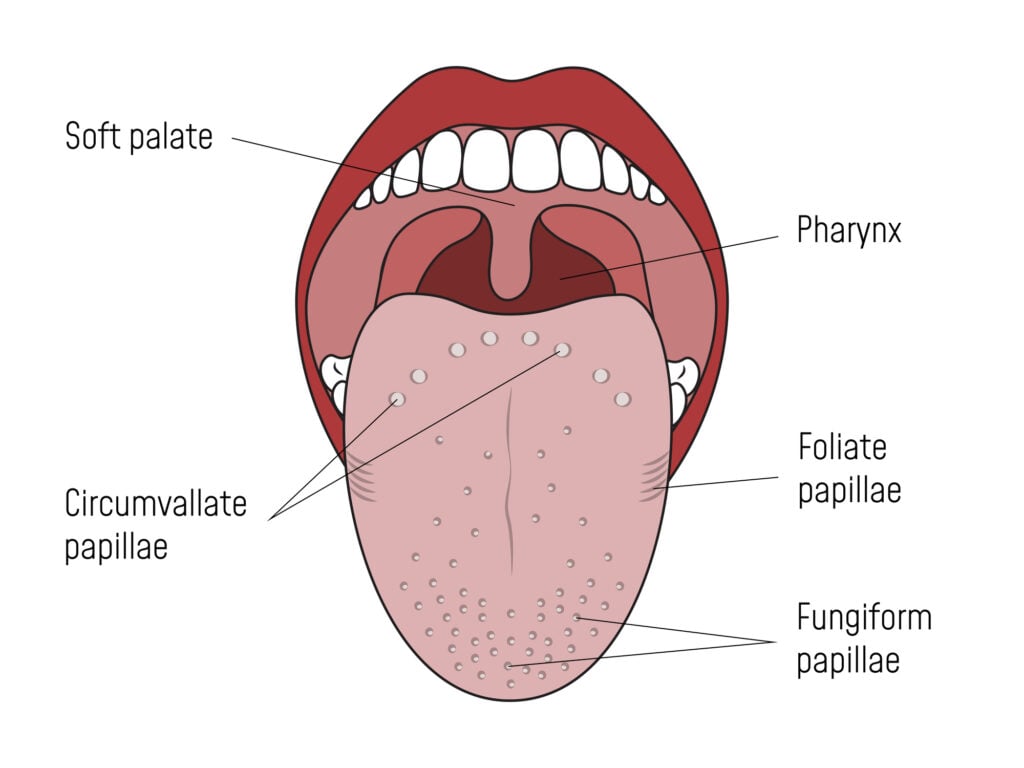
Taste buds are clusters of sensory cells located on the tongue, inside the cheeks, and even on the roof of the mouth. These tiny organs are responsible for detecting the myriad flavors we experience, ranging from sweet to umami. Each bud can sense specific tastes, thanks to the complex interplay between receptor cells and the nervous system. In essence, taste buds allow us to savor the deliciousness of life by helping us discern the flavors of our culinary delights.
Understanding Inflammation
Inflammation is a natural biological response to injury or irritation. However, when it comes to taste buds, inflammation can manifest itself in various ways. You may notice bumps, redness, or swelling on the tongue, often accompanied by discomfort or pain. This inflammation, while often temporary, can be bothersome and may interfere with your enjoyment of food.
Common Causes of Inflamed Taste Buds
Numerous factors can contribute to the inflammation of taste buds, and understanding these can help mitigate the issue. Some common culprits include:
- Injury or Trauma: Accidentally biting your tongue or scalding it with hot food can lead to localized inflammation.
- Infections: Viral or bacterial infections, such as hand-foot-and-mouth disease or oral thrush, may cause swelling of the taste buds.
- Allergic Reactions: Certain foods or substances can trigger an allergic response, resulting in inflamed taste buds.
- Acidic or Spicy Foods: Consuming highly acidic foods or spicy dishes may irritate taste buds, leading to inflammation.
- Vitamin Deficiencies: Lack of essential vitamins, particularly B vitamins and zinc, can contribute to taste bud inflammation.
- Medical Conditions: Conditions such as gastroesophageal reflux disease (GERD) and autoimmune disorders may also play a role in inflaming taste buds.
Signs and Symptoms
Recognizing the signs of inflamed taste buds can aid in diagnosing the underlying cause. Symptoms may include:
- Visible bumps or swelling on the tongue.
- Pain or tenderness, especially when consuming certain foods.
- Altered taste sensations, such as heightened sensitivity or distortion of flavors.
- Redness or irritation of the surrounding tissue.
Diagnosis and Treatment
If you experience persistent discomfort or noticeable changes in your taste buds, consulting with a healthcare professional is recommended. They may perform a physical examination, assess your medical history, and possibly order tests to determine the underlying cause. Depending on the diagnosis, treatment options may vary:
- Home Remedies: Rinsing your mouth with warm salt water or using topical anesthetics can alleviate discomfort.
- Over-the-Counter Pain Relief: Medications such as ibuprofen or acetaminophen may help reduce inflammation and pain.
- Dietary Adjustments: Avoiding known irritants, such as spicy or acidic foods, can help prevent further inflammation.
- Vitamin Supplements: Addressing deficiencies with proper supplements may promote healing and improve taste function.
- Medical Treatment: In cases of infections or underlying medical conditions, your healthcare provider may prescribe medications or recommend further interventions.
Prevention Strategies
- Maintain Oral Hygiene: Regular brushing and flossing, along with periodic dental check-ups, can help prevent infections and irritations.
- Be Mindful of Foods: Moderation is key—balance your consumption of spicy and acidic foods to prevent irritation.
- Stay Hydrated: Drinking sufficient water helps maintain overall oral health and can alleviate dryness that may irritate taste buds.
- Monitor Allergens: Identifying and avoiding specific food allergies can significantly reduce episodes of inflammation.
When to Seek Medical Attention
If you find that your inflamed taste buds persist for more than a week or are accompanied by other concerning symptoms, such as fever, swelling, or difficulty swallowing, it’s paramount to seek medical attention. A healthcare provider can assist in identifying any serious underlying conditions and recommend appropriate treatment.
The Bottom Line
Inflamed taste buds on the tongue are not only a common nuisance but also a fascinating intersection of biology and gastronomy. By familiarizing yourself with the potential causes, symptoms, and remedies, you can navigate this culinary challenge with confidence. So, the next time you savor your favorite dish, remain mindful of your taste buds, for they play an essential role in your dining experience. With the right knowledge at your disposal, you can ensure that your journey through the world of flavors is both delightful and pain-free.









Leave a Comment