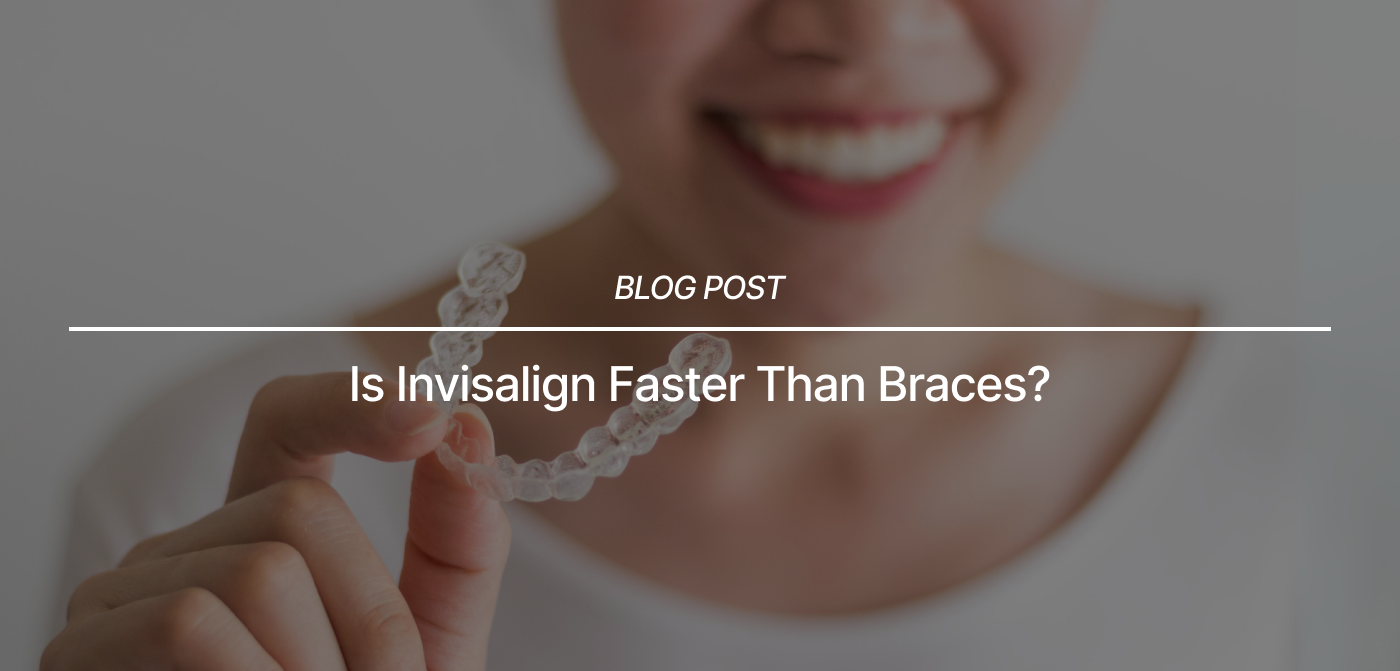
When it comes to achieving a radiant smile, the debate between Invisalign and traditional braces often unfolds like a riveting tale of two knights vying for the attention of a cherished princess—your teeth. Each method has its advocates, champions of varying philosophies on alignment, with one claiming the throne of speed. As modern orthodontics evolve, curious minds ponder the age-old question: Is Invisalign faster than braces? Let’s embark on this quest to uncover the nuances, intricacies, and science behind two of the most prolific orthodontic treatments.
Understanding the Mechanisms
To appreciate the speed of each treatment, we first must understand their underlying mechanisms. Traditional braces utilize a system of metal brackets and wires to physically mold teeth into their desired positions. Think of it as a meticulously orchestrated dance, with each component playing a pivotal role in guiding the teeth—a symphony of pressure and time. The orthodontist adjusts the wires periodically, each tightening bringing you one step closer to that harmonious alignment.
In contrast, Invisalign is akin to a sculptor chiseling away at a block of marble. Utilizing a series of clear, removable aligners, this method moves teeth gradually with a gentler touch. Each aligner is tailored to a particular stage of treatment, sequentially nudging teeth into place. The aligners must be worn for 20 to 22 hours a day and changed approximately every two weeks, making it a hands-on, interactive approach, where you, the patient, hold some of the reins.
Timeline of Treatment
As with any journey, understanding the timeline is essential. Typically, the duration for Invisalign treatment ranges from 6 to 18 months, but the average spans about 12 months for most cases. Conversely, traditional braces can take anywhere from 18 months to three years, depending on the complexity of the misalignment.
This does not mean that Invisalign is universally faster. The speed of treatment is influenced by myriad factors, such as the severity of the dental issue, the age of the patient, and adherence to wearing the aligners. While Invisalign may offer a swifter path to results in straightforward cases, severe crowding or complex bite issues may extend the journey beyond what traditional braces could achieve.
Aesthetic Appeal and Lifestyle Compatibility
The allure of Invisalign is undeniably its aesthetic charm. Picture a discreet knight clad in armor made of crystal—Illumination of your smile becomes the focal point, not the metal maze sometimes associated with braces. This aspect appeals especially to adults and teens who desire a more subtle approach during their orthodontic journey.
Furthermore, the removable nature of Invisalign brings a refreshing freedom to the table. Meals can be enjoyed without restriction, and oral hygiene is more straightforward, as wearers can brush and floss without navigating around cumbersome brackets and wires. However, this convenience comes with a caveat: diligent adherence to the treatment plan is paramount. Neglecting to wear aligners as prescribed can lead to an elongated timeline, potentially overshadowing the initial speed advantage.
Comfort and Dental Health Considerations
From a comfort perspective, Invisalign generally garners accolades. With smooth edges and no protruding components, the likelihood of discomfort is reduced compared to the wire-and-bracket setup, which can sometimes resemble a medieval siege upon the gums. Nevertheless, each method has its own challenges. Initial aligners may cause some discomfort as teeth shift; however, traditional braces often bring about soreness, especially after adjustments.
Dental health considerations also play a crucial role in the Invisalign versus braces debate. The ability to remove aligners allows for superior oral hygiene, potentially preventing issues such as tooth decay and gum disease. In contrast, braces can harbor food particles and unleash plaque buildup if not meticulously brushed around, posing different challenges for wearers.
Patient Satisfaction and Long-Term Results
Ultimately, patient satisfaction is a hallmark of success for any orthodontic treatment. Surveys often show that patients treated with Invisalign express higher levels of satisfaction, especially regarding treatment aesthetics and comfort. However, long-term results hinge on the patient’s commitment. Both systems, when nurtured properly, can provide remarkable outcomes. Post-treatment retention by wearing retainers is essential to preserve the newfound alignment, no matter which knight emerges victorious.
Conclusion: The Verdict
As we tie the narrative threads together, the question of whether Invisalign is faster than braces is not definitively a “yes” or “no.” Instead, it’s a confluence of factors, including individual dental issues, commitment to wearing aligners, and lifestyle preferences. For some, Invisalign may prove to be the swiftest steed in the quest for a perfect smile. For others, traditional braces might provide a more unwavering course toward dental harmony.
In the end, it isn’t merely a race; it’s about choosing the correct path for your teeth, where every decision should resonate with comfort, satisfaction, and the enchanting prospect of unveiling a breathtaking smile. Whether armored in metal or wrapped in invisible aligners, your journey to achieving a stellar smile is one worth celebrating.








Leave a Comment