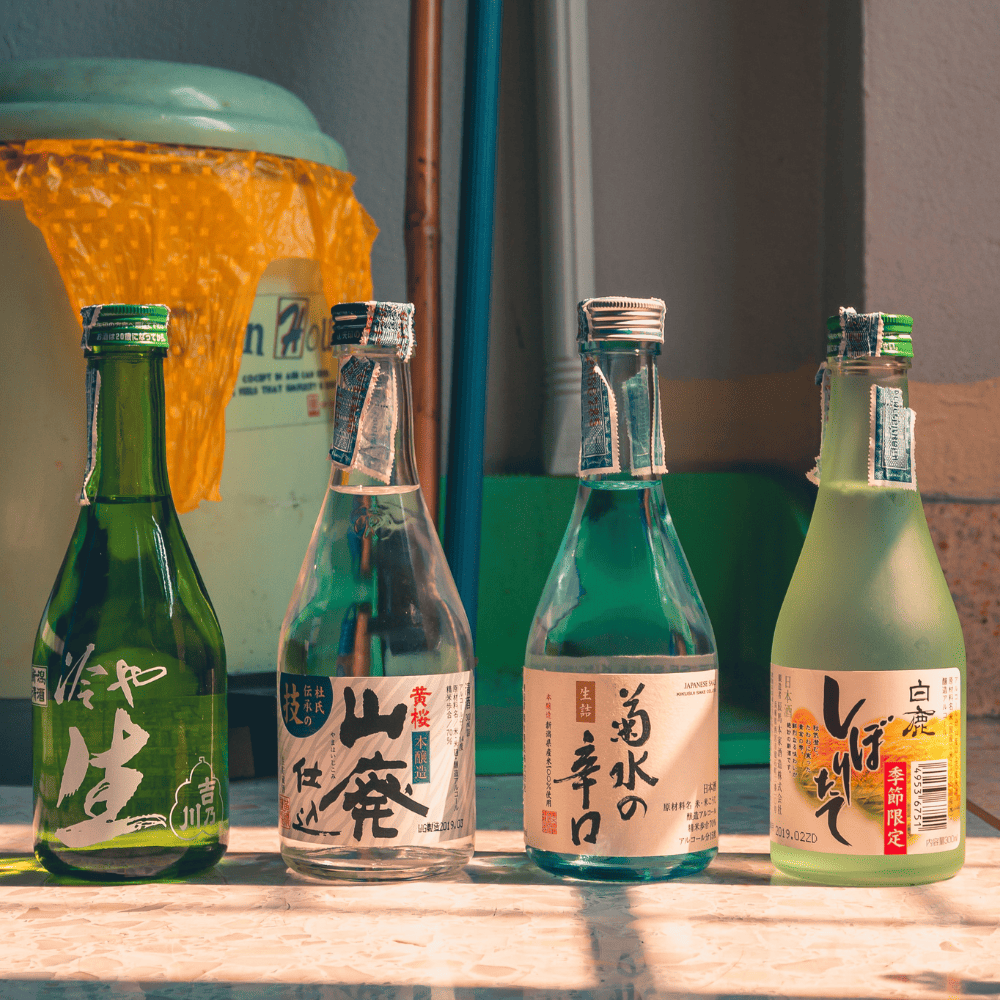
Sake, the iconic Japanese beverage, has captivated the palates of many with its rich history and nuanced flavors. However, for those with dietary restrictions, particularly concerning gluten, a pivotal question arises: Is sake gluten-free? This inquiry warrants a comprehensive exploration, delving into the intricacies of sake production, its ingredients, and the various types available on the market.
At its essence, sake is a fermented rice beverage, revered for its unique taste profile and versatility in culinary applications. Unlike beer or certain distilled spirits, which are derived from gluten-containing grains such as barley and wheat, sake primarily utilizes rice as its cornerstone. But the question of gluten in sake transcends mere ingredients; it encompasses production techniques and potential cross-contamination. Thus, understanding sake’s gluten status requires an examination of both the essential elements and the complexities involved in its creation.
1. The Primary Ingredient: Rice
The cornerstone of sake is rice, a gluten-free grain. Unlike barley or wheat, which contain gluten proteins that can provoke adverse reactions in sensitive individuals, rice presents no such threat. Particularly, sake employs specific strains of short-grain rice, distinguished for their high starch content, which is instrumental in the fermentation process. The most notable varieties include Yamada Nishiki, Koshihikari, and Omachi, each contributing distinct flavor nuances and quality differentiations.
2. The Fermentation Process
Sake production entails a dual fermentation process, wherein the starches within rice are converted into sugars, and subsequently, those sugars ferment into alcohol. This intricate procedure is facilitated by the deployment of koji mold, an essential component in sake crafting. The utilization of koji doesn’t introduce gluten into the mix; however, this mold’s interaction with rice in saccharification is crucial for achieving the desired flavor profile and alcohol content.
3. Additional Ingredients
While the primary ingredient of sake is undoubtedly rice, extraneous components may play a role. Some sake varieties might incorporate additives such as distilled alcohol or flavorings, which could potentially introduce gluten. It’s imperative to scrutinize the labels of such sake brands meticulously. In general, the purer and artisanal styles of sake, such as Junmai and Junmai Ginjo, are less likely to contain any additives. This truth renders them more secure choices for the gluten-sensitive consumer.
4. Types of Sake and Gluten Considerations
When discussing the gluten status of sake, understanding its various classifications is essential. The main types include:
- Junmai: This is pure sake with no added alcohol or sugars. Typically considered the safest option for those avoiding gluten, Junmai is produced entirely from rice, water, yeast, and koji mold.
- Honjozo: This variant includes a small amount of distilled alcohol in the brewing process. While usually gluten-free, some brands may enhance flavor with additives; one must verify the label.
- Ginjo: A premium version that undergoes rice polishing for enhanced flavor. As with Honjozo, it’s crucial to check for any additional ingredients.
- Daiginjo: The pinnacle of sake craftsmanship, offering the most refined flavor and aromatic profile. Similar checks for gluten-free status should be conducted when purchasing.
- Flavored Sake: These varieties may contain fruit juices or other flavorings, which could pose a risk of gluten contamination. Always investigate the specific offerings from the manufacturer.
5. Cross-Contamination Risks
Aside from the ingredients and production techniques, cross-contamination poses another significant factor to consider. If sake is produced in facilities that also handle gluten-containing products, there exists a potential risk of trace gluten entering the final product. Gluten-sensitive individuals should seek out brands that guarantee gluten-free practices and undergo rigorous testing.
6. Reading Labels and Certifications
In an age where consumer transparency is paramount, many sake producers now cater to gluten-sensitive customers by clearly labeling their products. Look for gluten-free certifications or statements on the packaging, which indicate that the beverage has been tested and deemed safe for consumption. Being diligent about label reading will enable consumers to make informed choices, minimizing the likelihood of unintentional gluten exposure.
Conclusion
In summary, the answer to the question of whether sake is gluten-free leans towards a resounding yes, especially when considering pure varieties like Junmai. However, a multitude of factors such as additional ingredients, cross-contamination risks, and specific production techniques can influence the gluten content of the final product. Those with gluten sensitivities should remain vigilant, prioritizing brands that explicitly market their offerings as gluten-free. Armed with this knowledge, both the avid sake enthusiast and the cautious consumer can confidently navigate the diverse world of sake, savoring its exquisite flavors without unnecessary worry.









Leave a Comment