When it comes to bubbly beverages, many people find themselves puzzled by the distinction between sparkling wine and Champagne. These effervescent delights are often celebrated at special occasions, but not all sparkling wines hold the prestigious title of Champagne. This article delves into the nuanced relationship between sparkling wine and Champagne, providing insights into their definitions, classifications, and the factors that set them apart.
Understanding Sparkling Wine
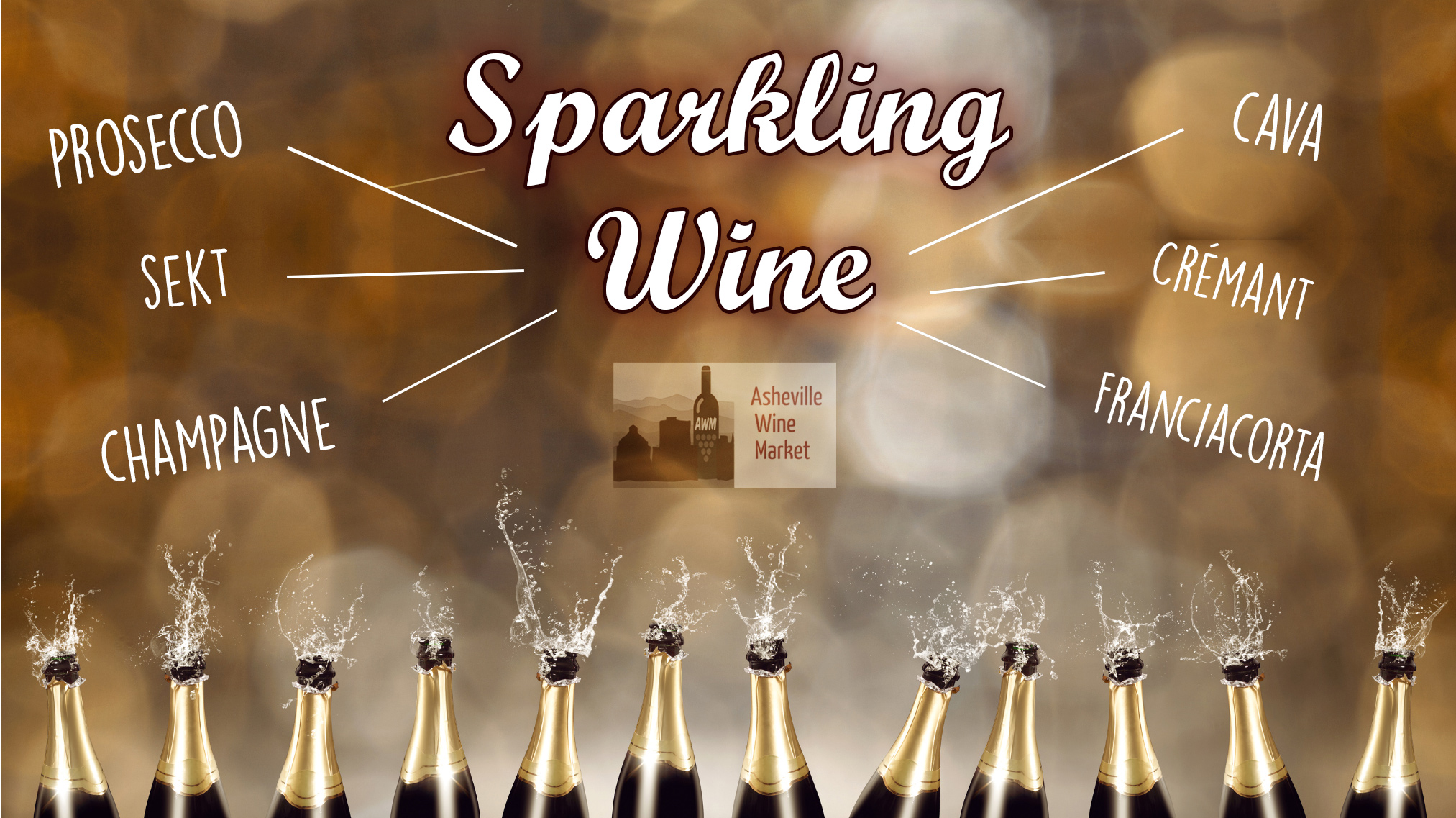
At its core, sparkling wine is any wine that contains significant levels of carbon dioxide, which creates its characteristic fizziness. This effervescence can be induced through various methods, leading to different styles and classifications of sparkling wine. The general category of sparkling wine encompasses a diverse array of types, all of which boast unique flavor profiles and characteristics. Here are the primary types of sparkling wine:
- Prosecco: Originating from Italy, Prosecco is primarily made from the Glera grape. Its production utilizes the Charmat method, where secondary fermentation occurs in large tanks. This process results in a fresh, fruity flavor profile, often with notes of green apple and honeysuckle.
- Cava: Hailing from Spain, particularly the regions of Catalonia, Cava employs the traditional method (same as Champagne) for carbonation. It is typically made from native grape varieties such as Macabeo, Xarel-lo, and Parellada, which impart a distinctive earthy and citrus flair.
- Franciacorta: Another Italian sparkling wine, Franciacorta is produced using the traditional method and offers a sophisticated profile. It often showcases a creamy texture with flavors of stone fruits and nuts, making it an elegant choice.
- Sekt: This is Germany’s answer to sparkling wine, which can be made from a variety of grape types. Sekt can vary in sweetness levels ranging from dry to sweet, and it sometimes employs the traditional method, although bulk carbonation is also common.
While all of these wines are classified as sparkling wines, each has its distinct heritage and production methodology that influence their flavor, aroma, and overall experience.
What is Champagne?
Champagne is a specific type of sparkling wine, but its classification carries a weight of distinction. Champagne is exclusively produced in the Champagne region of France and follows stringent regulations dictated by the Champagne Appellation d’Origine Contrôlée (AOC). To be labeled as Champagne, the wine must adhere to the following criteria:
- Geographic Origin: The grapes used must be grown in the Champagne region, which benefits from a unique terroir of chalky soils, cool climate, and specific grape varieties.
- Grape Varieties: The primary grapes used for Champagne production are Chardonnay, Pinot Noir, and Pinot Meunier. The blending of these varieties creates complexity in flavor and character.
- Traditional Method: Champagne is exclusively produced using méthode champenoise, or the traditional method. This involves a secondary fermentation in the bottle, which not only adds bubbles but also develops depth and complexity in flavor over time.
The techniques and geography combined imbue Champagne with its unique characteristics, which include a fine, persistent mousse and a profile that can range from crisp citrus to rich brioche and nutty notes.
Differences Between Sparkling Wine and Champagne
The principal distinction between sparkling wine and Champagne lies in geographic and regulatory factors. While all Champagne qualifies as sparkling wine, not all sparkling wine is Champagne. Here are some key differences that further illuminate this relationship:
- Quality Standards: Champagne undergoes rigorous production standards, from grape selection to fermentation and aging. This level of scrutiny is often not replicated in other sparkling wines, which can result in varying quality.
- Price Point: Due to the labor-intensive methods and limited geographic production, Champagne generally commands a higher price point compared to most other sparkling wines.
- Taste Profile: Champagne’s flavors are influenced heavily by the method of production and the terroir of its origin, often resulting in a more nuanced and complex tasting experience compared to other sparkling wines, which can skew toward fruitiness or sweetness.
While both Champagne and sparkling wines can provide celebratory libations, the experience they offer is distinct and can cater to varying palates and occasions.
Pairing Sparkling Wine and Champagne
Pairing an effervescent drink with food can elevate both the dining experience and the wine itself. The effervescence in sparkling wines enhances acidity, cleansing the palate and balancing rich dishes. Here are some suggestions:
- Champagne: Its versatility affords the opportunity to pair with everything from oysters to fried chicken. The crisp acidity and complexity cut through the richness of fatty dishes.
- Prosecco: This sparkling wine shines with light appetizers, charcuterie boards, and even spicy Asian cuisines due to its bright, fruity notes.
- Cava: With its slightly more robust profile, Cava complements roasted meats and seafood paella exceptionally well, enhancing the overall flavor experience.
Ultimately, the choice between Champagne and other sparkling wines comes down to personal preference, occasion, and palate. Whether celebrating a milestone or simply enjoying a quiet evening, both sparkling wine and Champagne offer unique and pleasurable experiences.
In conclusion, while Champagne is a celebrated variety under the broader umbrella of sparkling wines, its specific production methods and origin determine its exclusive status. Understanding the distinctions can enhance appreciation for these bubbly beverages, allowing enthusiasts to make informed choices. Whether indulging in a glass of Champagne or exploring the world of sparkling wines, each sip carries with it a story of craft, heritage, and celebration.





Leave a Comment