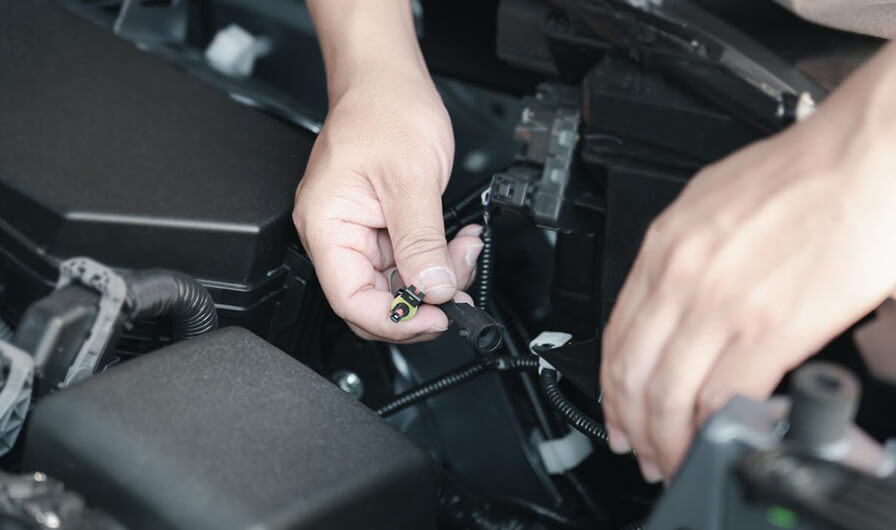
When you see the Jeep check engine light illuminate on your dashboard, it can evoke a sense of anxiety mixed with a hint of dread. The bright orange glow is an indication that something isn’t quite right under the hood, heralding potential issues that range from minor inconveniences to critical concerns. As Jeep enthusiasts and everyday drivers alike know, understanding the implications—and the allure—of this omnipresent warning light is essential for maintaining both your vehicle’s performance and your peace of mind.
Within the rugged context of Jeep ownership, the check engine light can serve as a metaphor for the vehicle’s balance between adventure and responsibility. You’ve conquered rocky terrains, muddy trails, and steep inclines, only to be confronted by this luminous reminder that all is not well. Addressing this issue requires not just a cursory glance, but a deep dive into its myriad possible meanings, revealing the almost intimate relationship one has with their vehicle.
Understanding the Check Engine Light
The check engine light, or CEL, is an integral part of your Jeep’s onboard diagnostics (OBD) system. It functions as a diagnostic tool, equipped to alert drivers to various malfunctions that can affect engine performance, emissions, and even safety. When the light activates, it often indicates a need for further investigation, prompting a range of emotions—curiosity, concern, urgency—each underscoring the intricate bond between driver and machine.
Common Causes of the Check Engine Light Activation
1. **Loose or Damaged Gas Cap**: One of the simplest reasons for the CEL is a loose or cracked gas cap. This minor issue can lead to fuel evaporation, violating emissions standards. Tightening or replacing the gas cap can often restore equilibrium, allowing your Jeep to continue its journey unadulterated.
2. **Oxygen Sensor Malfunction**: The oxygen sensor plays a pivotal role in gauging the amount of oxygen in the exhaust. A malfunction can lead to poor fuel economy and increased emissions. Such a sensor is crucial for optimizing fuel mixture, making it integral to your Jeep’s efficiency.
3. **Catalytic Converter Issues**: The conversion of harmful pollutants in exhaust gases is the responsibility of the catalytic converter. If it’s failing, your Jeep not only produces more emissions but may also afford a lack of power and acceleration. Timely intervention is critical to maintain both your engine’s health and environmental standards.
4. **Mass Airflow Sensor Failure**: The mass airflow sensor calculates the amount of air entering the engine, adjusting the fuel injection accordingly. If this sensor is faulty, it can throw off the air-fuel mixture, resulting in sluggish performance and poor fuel efficiency.
5. **Ignition System Problems**: Spark plugs, ignition coils, and wiring issues can lead to misfires and further complications. A well-functioning ignition system is paramount for optimal engine performance and fuel economy, maintaining the exhilarating drive that Jeep owners so relish.
Decoding the Check Engine Light
When the check engine light illuminates, it often comes with a range of other symptoms, prompting deeper inspection. Observations such as rough idling, strange noises, decreased power, or irregular stalling can accompany the warning light, each hinting at specific issues within the vehicle’s intricately designed mechanics.
The best approach to decoding these signals often involves utilizing an OBD-II scanner, which can provide error codes that pinpoint the underlying problems. Understanding these codes is akin to reading a Jeep’s emotions—the more you know, the better equipped you are to address them.
Steps to Take When the Light Comes On
1. **Remain Calm**: Feeling anxious is a natural response, but it’s important to stay composed. Ignoring the light can lead to severe damage over time, so prioritizing thorough investigation is crucial.
2. **Check Your Gas Cap**: Start with the simplest solution. Verify that the gas cap is secure and undamaged. This small check can often resolve the issue immediately.
3. **Monitor Performance**: Observe any changes in your Jeep’s performance. Take note of any unusual sounds, vibrations, or handling discrepancies. This information can be invaluable when consulting a mechanic.
4. **Utilize Diagnostic Tools**: If the light persists, external diagnostic tools can provide insight into the underlying issues. Local mechanics or parts stores often offer these services at little to no cost.
5. **Consult a Professional**: When in doubt, seek professional help. Mechanics with experience in Jeep models can diagnose the problem accurately, ensuring that necessary repairs are performed effectively.
A Deeper Exploration of the Jeep Connection
The check engine light serves as a reminder that even the most reliable of vehicles require vigilance. Jeep owners marvel at their vehicles’ capacity to conquer nature’s most daunting challenges, yet they are equally intrigued by the complexities of engine diagnostics. The bond formed through these shared experiences—the thrill of adventure juxtaposed with the need for maintenance—highlights a profound appreciation for the subtleties of automotive engineering.
In essence, the check engine light encapsulates the dual identity of a Jeep: a hardy adventurer on the outside, dependent on finely-tuned systems on the inside. This paradoxical relationship fosters a deeper fascination with the mechanics of the machine. As a Jeep owner, one embarks not just on physical journeys through uncharted territories, but also on a quest of understanding—bridging the worlds of machinery, maintenance, and the visceral excitement of the open road.
As the journey continues, let each check engine light serve not just as a warning but as an invitation to explore the intricate craftsmanship of your Jeep. Embrace both the adventure and the responsibility, ensuring that your vehicle remains a reliable companion on your escapades.








Leave a Comment