Replacing the roof of your RV is no small task, but how much will it actually cost you? RV enthusiasts often find themselves facing the conundrum: Is this upgrade a wise investment or an extravagant expense? While the thrill of hitting the open road is invigorating, maintaining your home on wheels presents a constant challenge. In this article, we will delve into the labyrinth of RV roof replacement costs, guiding you through the components, considerations, and potential pitfalls along the way.
1. Understanding RV Roof Types
The first order of business is identifying the type of roof your RV boasts. Generally, there are three primary materials used in RV roofing: rubber (EPDM), fiberglass, and aluminum. Each comes with its own pros and cons, as well as varying costs.
- EPDM (Ethylene Propylene Diene Monomer): This rubber roofing is popular due to its lightweight and affordability. Typically, an EPDM roof ranges from $2 to $4 per square foot, making it a budget-friendly option.
- Fiberglass: More durable but also heavier than rubber, fiberglass roofs usually cost more, averaging between $5 to $8 per square foot. Its longevity can justify the expense.
- Aluminum: Known for its durability, aluminum roofing is often found in higher-end RVs. However, it can be the most expensive option, costing upwards of $7 to $12 per square foot.
2. Total Roof Replacement Costs
Now that you’ve identified the roof type, let’s unwrap the estimated costs associated with a complete roof replacement. The overall expense depends on several factors: material choice, labor costs, and the size of your RV.
- For a typical RV, the cost of full roof replacement often falls between $1,500 and $4,000. However, larger luxury models may hit the $8,000 mark or more.
- In addition to materials, labor charges can account for $60 to $120 per hour, with a typical job taking anywhere from 10 to 30 hours, depending on complexity.
3. The DIY Approach: Cost-Efficient Yet Challenging
Is tackling a roof replacement project yourself a savvy move, or is it fraught with pitfalls? Embarking on a do-it-yourself venture can save you a significant chunk of change, but it demands a wealth of knowledge and skills.
- Material Expenses: While you may dodge labor costs, you’ll still need to purchase materials, which can range from $300 to $1,500 depending on the roof type.
- Tools Required: Don’t forget about potential investments in tools. You may need a ladder, safety gear, and various other essentials that could add another few hundred dollars to your outing.
- Time Commitment: A DIY project may take days, if not weeks, and requires meticulous planning to ensure safety and quality, which can be daunting.
4. Unexpected Costs and Challenges
When preparing for an RV roof replacement, one must be cognizant of the lurking unexpected expenses. These could emerge from several factors:
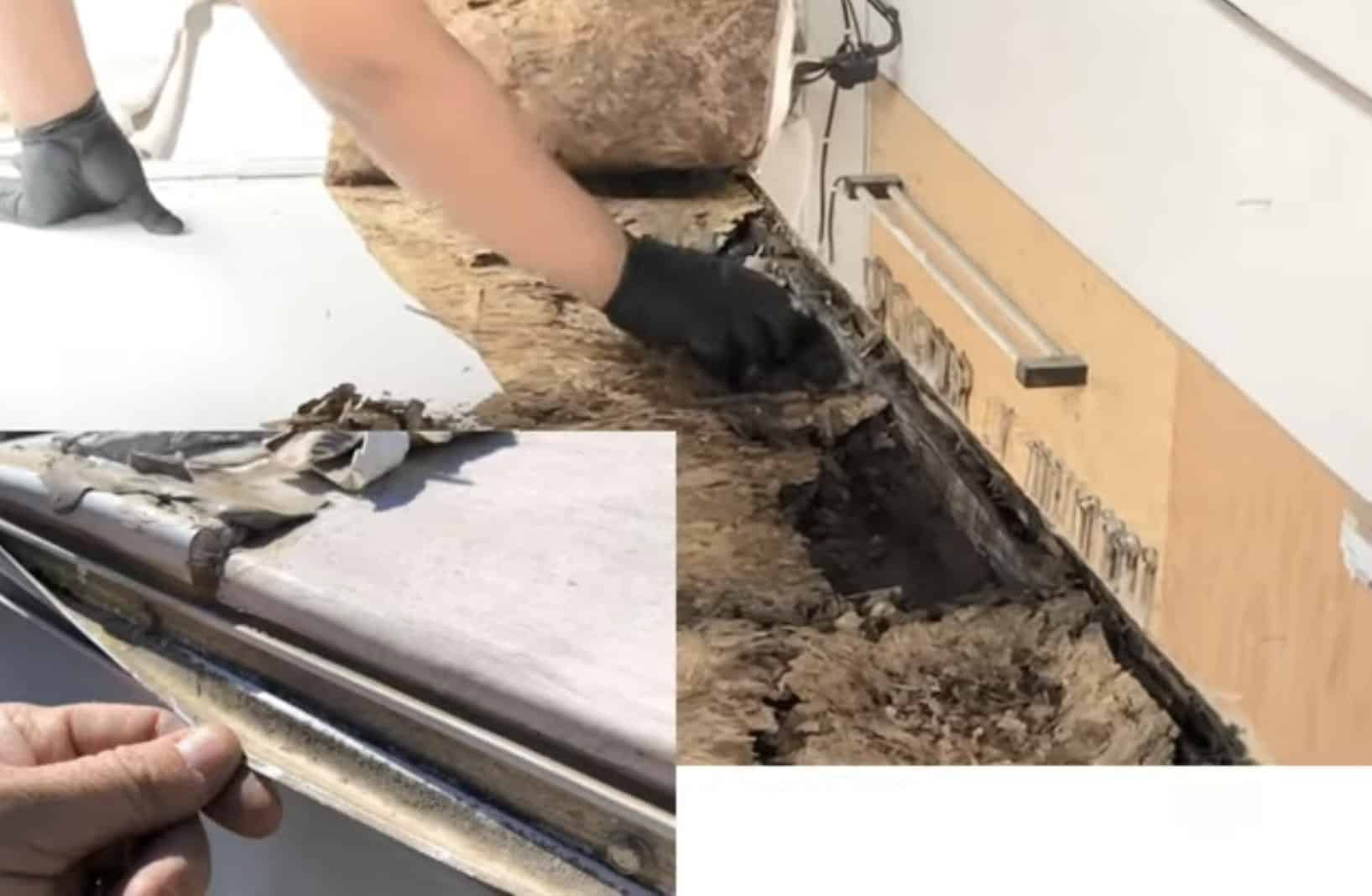
- Hidden Damage: Upon removing the old roof, you may discover underlying structural issues such as rot or mold. Repairing these could double or triple your budget if not anticipated.
- Permits and Regulations: Depending on your location, local regulations might require permits for significant renovations, adding an extra cost.
- Removal of Old Material: If the old roofing needs to be stripped away, this could incur disposal fees, especially if the material is not recyclable.
5. Warranty Considerations
Many might overlook the significance of warranties when discussing RV roof replacements. Investing in quality materials often comes with warranties ranging from 10 to 30 years. Ensure you have full clarity on what is covered and for how long.
Moreover, if you decide to hire professionals, their work may also carry a guarantee. This adds a layer of security, ensuring that if something goes awry shortly after installation, you’re not left to shoulder the burden alone.
6. Preventative Measures and Maintenance
Once your new roof is in place, the challenge doesn’t end. Proactive maintenance can prolong the life of your RV roof and stave off costly repairs. Regular inspections, cleaning, and resealing can make a significant difference.
- Inspect seals around vents and edges.
- Remove debris regularly.
- Apply protective coatings as needed.
Conclusion: The Road Ahead
As you weigh the costs and benefits of RV roof replacement, remember that this decision is often influenced by your personal circumstances and future travel aspirations. Will you plunge into the challenge, or will you opt for professional help? Each choice has its merits and potential drawbacks. Understanding the financial landscape, from material costs to labor charges, prepares you for either path. The essence of RV ownership lies not just in the journeys you take, but also in the care and maintenance you commit to your mobile haven. So, is it time for a roof refresh, or do you have other pressing priorities? The open road awaits your decision.









Leave a Comment