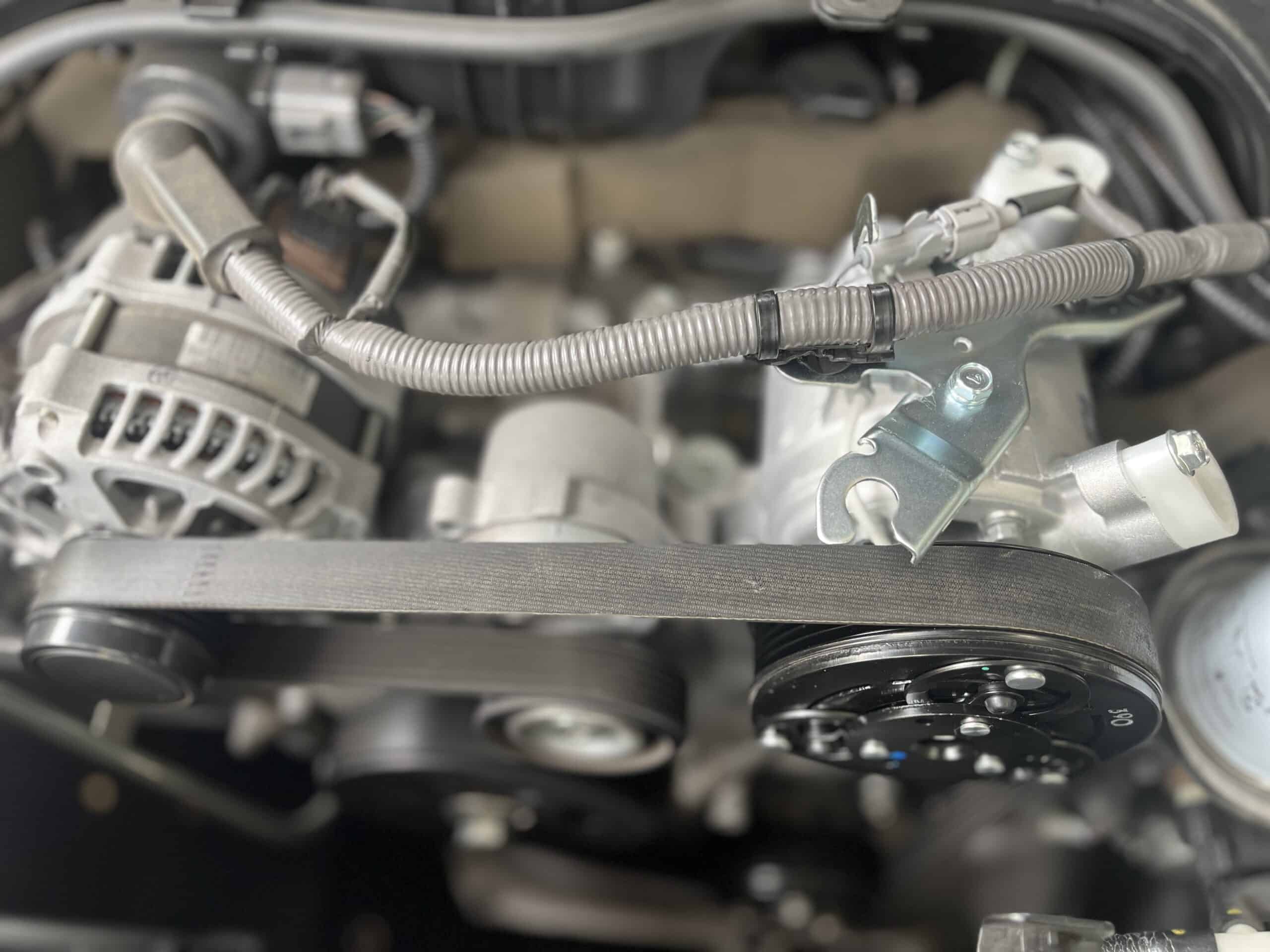
When you think about your car’s air conditioning system, it may be tempting to envision it as a well-oiled machine—an ensemble of parts working harmoniously to envelop you in comfort on a sweltering day. At the heart of this ensemble lies the compressor, often deemed the ‘heart’ of the air conditioning system. However, just like any vital organ, when the compressor falters, it can send ripples of distress throughout the entire system. Recognizing the signs of a bad compressor early can be the difference between a minor inconvenience and a costly repair. Here are the telltale indicators that your compressor might be waving a white flag.
1. Unusual Noises:
A healthy compressor operates with an almost melodious hum—a background soundtrack of reliability. Conversely, if your compressor begins to emit distressing sounds, such as clanking, grinding, or whining, it is akin to a symphony gone awry. Pay heed to these noises; they could be symptomatic of internal damage or the failure of pivotal components, such as bearings or connecting rods. If your vehicle resembles a percussion section gone rogue, it’s an admonition that you need to investigate further.
2. Insufficient Cool Air:
Picture a parched desert traveler seeking refuge under the soothing canopy of an oasis. Now imagine that oasis drying up. When your air conditioning system fails to deliver the cool air it once did, the compressor may be the culprit. Inadequate cooling can manifest as tepid air wafting from the vents, indicating that the compressor is unable to circulate refrigerant efficiently. This malfunction is a siren call, beckoning you to delve deeper into the mechanics of your vehicle.
3. Refrigerant Leaks:
Visualize a ship slowly taking on water—each drop threatening to sink it further into the abyss. Similarly, a refrigerant leak can herald the demise of your car’s air conditioning prowess. If you observe puddles beneath your vehicle or a conspicuous oily residue around the compressor, it may signal a breach in the compressor’s integrity. Leaking refrigerant not only affects cooling performance but can also have detrimental effects on the environment. Detecting this issue promptly can save you from a complete overhaul of the system.
4. Constant Cycling:
Think of a metronome, ticking in rhythm. Now imagine it speeding up or slowing down erratically. Your air conditioning system should cycle on and off at a consistent rate, but if the compressor seems to be cycling on and off excessively, it can indicate that it’s struggling to maintain the desired temperature. This erratic behavior may be a consequence of a faulty compressor struggling under increased pressure or improper refrigerant levels. If you find your system flipping like a light switch, it’s time to take action.
5. Clutch Issues:
The compressor’s clutch is its appendage, facilitating the connection between the engine and the compressor. If you experience issues with the clutch, such as it failing to engage, it’s reminiscent of an orchestra without a conductor. Your air conditioning system can become ineffective, leading to a disheartening experience on a hot day. If the compressor clutch engages intermittently or ceases to function altogether, it may signify that the compressor itself is on the verge of collapse.
6. Electrical Problems:
Visualize a city plagued by power outages—every flicker of light signifies underlying issues within the electrical system. Similarly, compressors are susceptible to electrical failures that can inhibit their operation. Signs such as blown fuses, faulty wires, or malfunctioning sensors can point to a compressor in distress. If your vehicle presents erratic behavior or the air conditioning suddenly shuts down, turning the spotlight on electrical components may uncover the hidden issues.
7. Unpleasant Odors:
Consider the difference between a fragrant bouquet and the pungent smell of decay. Unpleasant odors emanating from your air conditioning system can signal a far deeper problem. Foul smells could indicate that the compressor has become a breeding ground for mold or mildew, or it might be signifying that refrigerant is leaking and mingling with other components. If your car’s interior turns into a nosedive of unpleasantries, it’s time to seek assistance from a qualified mechanic.
8. Dashboard Warning Lights:
The dashboard is the vigilant watchtower of your vehicle, illuminating any issues that demand attention. If the check engine light becomes your unwelcome companion or specific AC warning indicators start flashing, it’s a clarion call that something is amiss with the compressor. Ignoring these warning lights is akin to sailing without a compass; it can lead to further navigation challenges down the road.
Ultimately, the compressor can be viewed as the maestro of your air conditioning orchestra. When it falters, the entire system’s harmony is disrupted, leading to discomfort and potential costly repairs. By being alert to the signs of a failing compressor—unusual noises, insufficient cooling, refrigerant leaks, constant cycling, clutch issues, electrical problems, unpleasant odors, and dashboard warnings—you can address problems proactively. Maintaining the integrity of this essential component ensures that your driving experience remains as serene as a breezy summer day. Taking heed of these signals is not just a matter of comfort but an essential part of vehicle maintenance that can save you from future headaches.









Leave a Comment