Introduction
As the demand for fuel-efficient and eco-friendly vehicles continues to rise, Toyota hybrids have become increasingly popular among consumers seeking longer-lasting performance with less environmental impact. However, one of the most significant concerns for prospective and current hybrid owners is the cost associated with battery replacement. Understanding the intricacies of this process can aid in budgeting and maintenance planning. This article delves into the various facets of Toyota hybrid battery replacement costs, guiding readers through the components that influence pricing, the types of batteries available, and essential considerations.
1. Understanding Hybrid Batteries
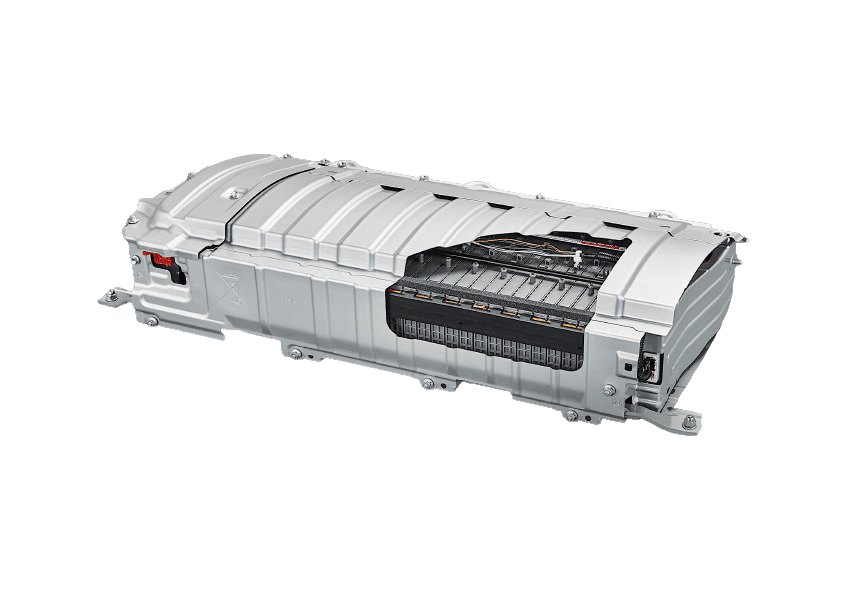
Toyota hybrids utilize two primary types of batteries: Nickel-Metal Hydride (NiMH) and Lithium-Ion (Li-ion). Each type offers distinct advantages, durability, and varying costs. The NiMH batteries are typically found in older models and have been a reliable choice for many years, while newer Toyota hybrids, such as the Prius Prime, increasingly rely on Li-ion batteries known for their superior energy density and efficiency.
Battery longevity is contingent on several factors, including driving habits, climate conditions, and maintenance practices. Most hybrid batteries are designed to last upwards of 100,000 miles, though some users report functional lifespans extending beyond 150,000 miles—an aspect crucial to consider when evaluating potential replacement costs.
2. Factors Influencing Battery Replacement Costs
Battery replacement costs for Toyota hybrids vary widely, influenced by multiple variables. Understanding these can prepare owners for eventual replacement expenses:
- Model and Year: The specific Toyota model significantly impacts battery costs. For instance, replacing the battery in a 2010 Prius might be less expensive than in a 2021 RAV4 Hybrid.
- Battery Type: As previously mentioned, the type of battery used affects pricing. Lithium-Ion batteries generally command a premium over their NiMH counterparts due to their advanced technology and production costs.
- Dealer vs. Independent Service Centers: Pricing can vary dramatically between authorized Toyota dealerships and independent repair shops. While dealerships might offer warranties, independent centers might provide cheaper alternatives.
- Labor Costs: The complexity of battery replacement can also determine labor expenses. Highly trained technicians skilled in hybrid systems command higher wages, which reflects in the overall cost.
3. Average Cost of Battery Replacement
The anticipated cost for replacing a Toyota hybrid battery generally ranges from $1,500 to $3,500. This wide range is primarily due to the aforementioned factors, as well as local market conditions. For example, metropolitan areas may experience higher labor rates compared to rural locations.
On average:
- For older models, such as the second-generation Prius, battery replacement can cost around $2,000.
- For newer models, particularly those equipped with Lithium-Ion batteries, replacement may reach or even exceed $3,000.
Additionally, some dealers offer a battery refurbishment service, potentially reducing costs. This service involves reconditioning the existing battery pack to restore performance. However, the outcomes can be variable, and not all battery packs will be eligible for this option.
4. Warranty Considerations
Understanding the warranty coverage offered with Toyota hybrids can alleviate some financial burden, particularly concerning battery replacement. Most new Toyota hybrids come with an extensive hybrid system warranty that covers the battery for at least 8 years or 100,000 miles, whichever comes first. In certain states, the coverage may extend to 10 years or 150,000 miles.
Should the battery fail within this warranty period, replacement costs could be entirely covered. Therefore, leveraging this warranty is essential for owners to avoid unexpected financial expenses.
5. Environmental Factors
Your geographical location plays a vital role in the battery’s longevity and replacement frequency. For instance, extreme weather conditions—whether excessively hot or cold—can accelerate battery deterioration. When analyzing battery costs, consider how climate impacts both the need for replacement and the type of battery best suited for your region.
6. Alternatives to Replacement
For those seeking to mitigate the high costs associated with full battery replacement, there are alternatives:
- Reconditioning: Some specialized service providers offer battery reconditioning services that can rejuvenate hybrid batteries at a fraction of the replacement cost. However, this option may not be suitable for all battery types.
- Used or Refurbished Batteries: Purchasing a used or refurbished battery from reputable sources can significantly decrease expenses. However, buyers should exercise caution and prioritize quality assurance.
Conclusion
In conclusion, while the Toyota hybrid battery replacement cost can appear daunting, understanding the influential factors, and exploring alternative options empowers owners to make informed decisions. Awareness of model specifications, labor agreements, and warranty conditions can help users manage their investments in hybrid technology. Ultimately, proactive maintenance and proactive planning will extend the longevity of your hybrid vehicle, ensuring it remains a financially viable and environmentally friendly option for years to come.









Leave a Comment