Have you ever found yourself perplexed, gazing at a collection of ammunition, wondering about the different types of bullets available? In the inherently fascinating world of firearms, green tip bullets stand out as a topic both intriguing and contentious. But what exactly are these green-tipped munitions, and why do they elicit such curiosity and debate? In this article, we will delve into the particulars of green tip bullets, evaluating their construction, applications, and the controversies surrounding their use—and perhaps, even challenge you to consider where you stand on this seemingly innocuous yet multifaceted subject.
A Brief Overview of Green Tip Bullets
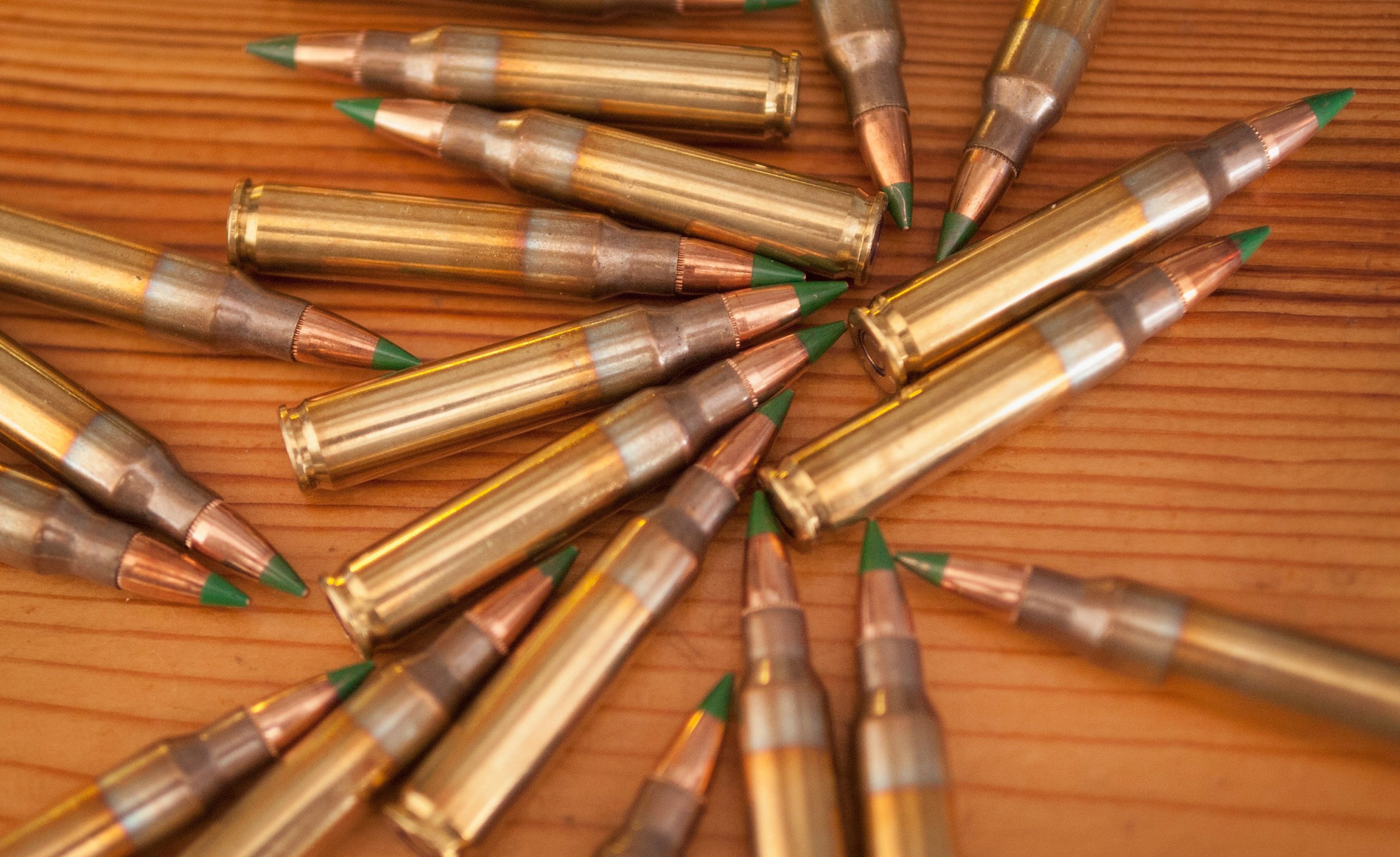
Green tip bullets are typically associated with a specific style of ammunition known as the M855, initially developed for military applications. What distinguishes these rounds is their projectile composition; while conventional bullets may be composed predominantly of lead, green tip bullets incorporate a steel penetrator encased within a lead core. The distinguishable green tip is not merely aesthetic; it serves as a code for shooters to identify the round’s unique capabilities. With a keen awareness of these characteristics, enthusiasts can better appreciate what green tip bullets offer.
Construction and Material Makeup
At the heart of every green tip bullet lies a meticulously engineered design. The bullet itself is typically a .223 Remington or 5.56 NATO round, both widely used in military engagements as well as by civilian marksmen. The green tip signifies the inclusion of a hardened steel penetrator that gives these bullets their formidable capacity to pierce through barriers. While the outer copper jacket ensures aerodynamic efficiency, it is often the core construction that warrants closer examination. Let’s break down the components:
- Steel Penetrator: The hardened tip allows it to penetrate targets such as vehicles or soft armor more effectively than standard lead bullets.
- Lead Core: This component provides the necessary weight and stability, ensuring that upon firing, the bullet performs predictably and accurately.
- Copper Jacket: This outer coating not only enhances the bullet’s flight stability but also reduces barrel fouling.
The symbiosis of these elements creates a projectile that is both lethal and efficient, which brings us to their myriad applications.
Applications in Various Contexts
The versatility of green tip bullets allows them to be utilized in a wide spectrum of scenarios. Primarily favored by military and law enforcement agencies, these bullets are effective in tactical situations due to their superior penetration capabilities. However, their usage extends beyond the confines of combat:
- Target Shooting: Many shooting enthusiasts actively use green tip bullets for practice sessions at ranges, particularly due to their affordability and performance.
- Hunting: Certain hunters opt for green tip bullets when pursuing larger game, valuing the impressive terminal ballistics that these rounds provide.
- Self-Defense: Although some debate the appropriateness of using these bullets for self-defense, their ability to breach barriers means that they might be favored in specific home defense scenarios.
Yet, with their effectiveness comes a series of controversies and challenges that demand consideration. Where do you draw the line when evaluating their appropriateness?
Controversies Surrounding Green Tip Bullets
The conversation around green tip bullets is often marred by contentious perspectives, driven primarily by their military origins and performance characteristics. This leads us to several critical issues:
- Regulatory Monitoring: Various legislative bodies have scrutinized green tip bullets, often categorizing them as armor-piercing ammunition. Some states have enacted prohibitions, arguing that their widespread availability poses a public safety risk.
- Stigmatization: Fields of public opinion often stigmatize green tip bullets as dangerous due to their military association, leading to a misplaced sense of fear that may not match reality.
- Ethical Concerns: The capability to penetrate barriers effectively raises ethical questions regarding their use in civilian contexts, especially concerning hunting and self-defense applications.
As this discourse unfolds, individuals must engage with these polarizing viewpoints critically. What are your thoughts on the complexity of these rounds? Should they have a place in civilian use, or are the risks too great?
Conclusion: An Ongoing Dialogue
Understanding green tip bullets requires more than merely recognizing their specifications; it compels shooters, enthusiasts, and policymakers alike to inspect the broader implications of their use. While they offer remarkable capabilities, the ethical, regulatory, and societal challenges highlight that with great potential comes great responsibility. Retaining a vigilant inquiry into their application will help mold the future discourse surrounding these unique rounds. So, as you ponder your own experience with firearms, consider where you stand on the spectrum of green tip ammunition acceptance. Will you embrace their versatility or stand against the tide of usage with caution? The challenge remains yours.










Leave a Comment