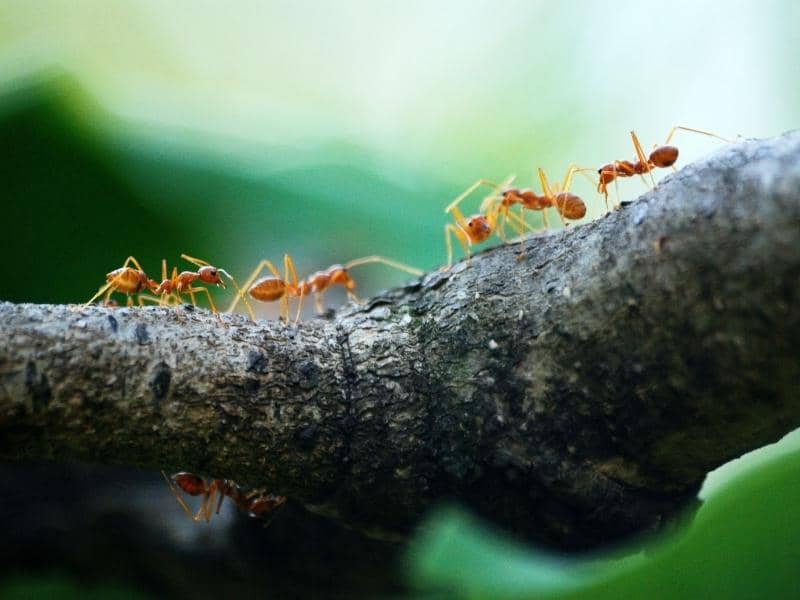
In the intricate tapestry of nature, ants are often perceived as industrious little creatures, tirelessly scurrying about in search of nourishment and resources. Yet, beneath their diligent façade lies a complex tapestry of behaviors shaped by a myriad of factors, including their aversions. Understanding what ants dislike not only piques curiosity but also offers insight into effective pest management strategies. As we delve into the fascinating world of ants, we uncover their myriad dislikes, providing an essential perspective shift on these often-overlooked insects.
1. Strong Scents and Odors
Ants possess an acute sensitivity to scents, driven largely by their olfactory receptors. They navigate their environment largely through pheromones, leaving trails for fellow colony members. However, certain potent aromas can disrupt their communication channels. For instance, strong citrus scents, such as those from lemon or orange, can repel ants effectively. Furthermore, the sharp, aromatic properties of vinegar or peppermint oil not only taint their preferred pathways but also send them scuttling away in search of a more agreeable environment.
2. Spicy Substances
A surprisingly effective deterrent against ants is the inclusion of spices in their surroundings. Ants exhibit a pronounced aversion to pungent spices, particularly those such as cayenne pepper and cinnamon. When these substances are sprinkled around entry points, they serve not only as a barrier but also as an aromatic warning to potential invaders. The intense heat of spicy substances overwhelms their sensory receptors, encouraging these industrious insects to avoid the area altogether.
3. Moist Environments
Ants thrive in environments that provide access to moisture, but not all moisture-laden environments are conducive to their existence. Ant colonies can be quite particular about humidity levels; too much moisture can lead to mold, fungal growth, and ultimately, uninhabitable conditions. Carpenter ants, for instance, favor dry wood but are found in damp conditions only when necessary. Prolonged exposure to excessive moisture can drive them to seek drier pastures, demonstrating their dislike for over-hydrated environments.
4. Other Ant Species
While ants are social creatures, the dynamics within and among species can lead to intense rivalries. Certain species exhibit territorial behaviors, characterized by aggressive attacks against intruders, even if they are fellow ants. For example, fire ants are notorious for their aggressive stances against other species encroaching on their territory. The presence of competing ant colonies can induce stress and conflict, prompting ants to avoid such areas whenever possible.
5. Chemical Repellents
Many commercial pest repellents are designed explicitly to deter ants, with formulations containing pyrethroids or essential oils. These substances disrupt their navigational pheromones, rendering them disoriented and reluctant to traverse treated areas. For instance, diatomaceous earth, a natural pesticide, can be an effective barrier—causing physical damage to the ants’ exoskeleton while simultaneously repelling them from the vicinity.
6. Bright Light
Ants typically favor dimly lit environments that facilitate their covert movements. Exposure to bright light can disorient and deter ants from venturing into exposed areas. For instance, setting up lights in strategic locations can help create a sanctuary for gardens during the night, keeping ants and other nocturnal pests at bay. This alteration of their environment significantly shifts their foraging patterns, illustrating their inherent dislike for bright, harsh surroundings.
7. Natural Predators
The presence of natural predators poses a significant threat to ants, driving them to relocate for safety. Birds, lizards, and even certain insect species like spiders can instill fear in these industrious creatures. Some ants instinctively adapt their behavior to avoid areas known to harbor such threats, showcasing their dislike for spaces perceived as perilous. Understanding these predatory dynamics illustrates the ecological interdependencies that shape their existence.
8. Disruption of Their Trails
Ants depend heavily on pheromone trails to communicate and navigate effectively. Any disturbance to these trails—whether by rainfall, human interference, or the introduction of foreign substances—can provoke confusion and disarray within a colony. This disruption of their communication channels highlights an intrinsic dislike for altered environments, often leading them to retreat and recalibrate their foraging strategies.
9. Inconsistency in Food Supply
Ants are opportunistic feeders, yet they require a steady and reliable food source to thrive. Inconsistent access to food—whether it is a sudden shortage or contamination—can substantially disturb their foraging patterns. Ants are known to abandon areas devoid of adequate resources, seeking greener pastures to satisfy their nutritional needs. This behavioral shift underscores their aversion to environments that fail to meet their basic survival demands.
Conclusion
Embracing an understanding of what ants dislike provides a profound shift in perspective on these fascinating creatures. By recognizing their aversions—from strong scents and moisture levels to the presence of predators and competition—we foster a deeper appreciation for the ecological roles they play and how these factors influence their behavior. This knowledge not only aids in pest management but also enriches our exploration of the intricate web of life that sustains our planet. In essence, the dislikes of ants offer a portal into their world, revealing the hidden intricacies of nature that remain waiting to be discovered.









Leave a Comment