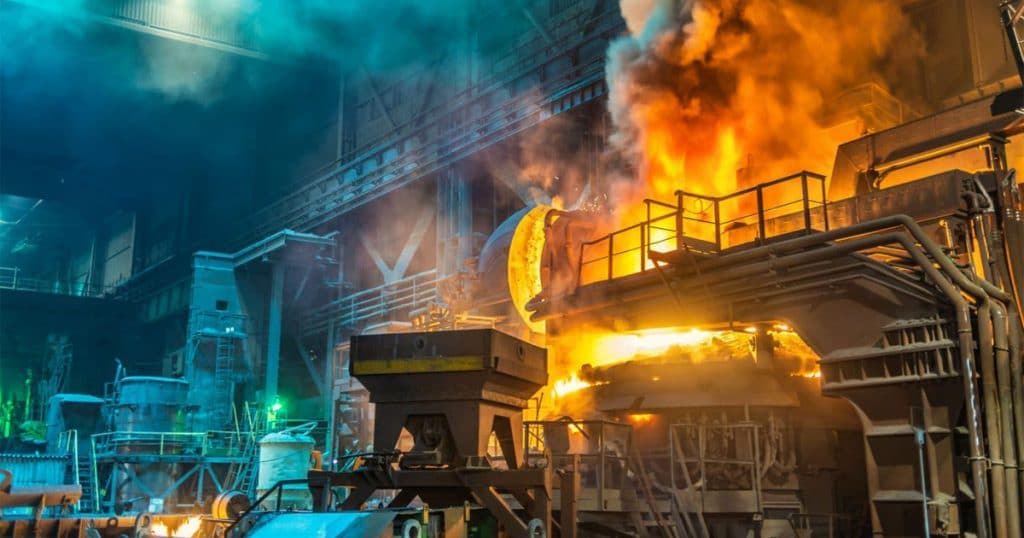
What exactly is a Class D fire, and why should you care about it? In the intricate world of fire safety, distinguishing between fire classifications is not just a trivial endeavor; it’s essential for effective firefighting and ensuring safety in hazardous environments. Picture this: you’re in a laboratory bustling with activity, surrounded by flammable metals, and suddenly there’s an explosion igniting a fire that seems unquenchable. How do you respond? That’s where understanding Class D fires comes into play.
Understanding Class D Fires
Class D fires are unique. They primarily involve combustible metals such as magnesium, titanium, potassium, and sodium. These metals react unpredictably with water, often exacerbating the situation. Consequently, a Class D fire is not merely about flames and heat; it’s a complex interplay of chemistry and material properties that can challenge even the most seasoned firefighters.
Unlike Class A fires, which involve ordinary combustibles like wood and paper, or Class B fires, which include flammable liquids, Class D fires demand specialized knowledge and equipment. This distinction is critical for anyone working in industries that handle these metals, including aerospace, military, and manufacturing. But why should those not directly involved with these materials be concerned? The potential for emergencies exists in various sectors, making this knowledge vital for overall safety.
Characteristics of Class D Fires
Several characteristics define Class D fires:
- Combustible Metals: As mentioned, these fires involve materials such as lithium, magnesium, and zirconium. Each metal reacts differently when exposed to flames.
- Reactivity with Water: Water is not an ally in these situations. Instead, it can create explosive reactions. For instance, when water meets burning sodium, it can lead to violent explosions.
- High Temperatures: Class D fires can reach extraordinarily high temperatures, often exceeding 1,500 degrees Fahrenheit. This means that traditional extinguishing methods may fail to have any effect.
The Science Behind Class D Fires
The propensity of certain metals to ignite is often rooted in their chemical properties. For example, magnesium’s sheer lightweight nature makes it highly flammable, especially when finely powdered. Similarly, potassium not only ignites but can also reignite after being extinguished, creating ongoing hazards for anyone attempting to manage a Class D fire.
Understanding this science is crucial for emergency response teams. Standard extinguishing agents may not only be ineffective against these fires but can potentially intensify them. For instance, using water on a magnesium fire can cause the fire to spread, putting lives at risk.
Extinguishing Class D Fires
If cashing in on the knowledge is your aim, knowing how to extinguish a Class D fire effectively is indispensable. Here are the primary methods for dealing with such fires:
- Dry Powder Extinguishers: Specialized dry powder agents are designed particularly for Class D fires, often comprising materials like sodium chloride or graphite. These powders smother the flames and absorb heat, effectively stifling the fire.
- Granular Agents: In some cases, sectors may rely on granular materials to cover the igniting metals. These agents reduce the contact between the combustible metal and oxygen, therefore starving the fire.
- Metal-Specific Solutions: Some specific metals have unique extinguishing methods that should be employed, such as using the appropriate dry chemical extinguishing systems that negate the reactivity.
Challenges Posed by Class D Fires
Addressing Class D fires introduces several challenges, from the unpredictability of metal reactions to the difficulties in issuing evacuation procedures during an incident. Imagine being in a high-stakes environment, like a manufacturing plant, where expedient decision-making is crucial. The moment a Class D fire ignites, chaos can ensue. Workers and safety personnel must navigate the perilous conditions of combustible materials while following proper safety protocols.
Another significant challenge lies in training personnel. It’s not only about knowing the right equipment; individuals must be well-versed in the fire’s behavior and response tactics. Multi-level training programs are essential, and regular drills can mean the difference between a managed emergency and an uncontrolled disaster.
Preventing Class D Fires
Prevention is always better than cure, especially when it comes to Class D fires. Here are some practical strategies:
- Proper Storage: Segregate combustible metals from other materials. Store them in designated areas that minimize exposure to ignition sources.
- Regular Inspections: Conduct thorough evaluations of environments housing combustible metals, ensuring that safety protocols are consistently followed.
- Training Programs: Implementing continuous training programs for employees helps cultivate a safety-first culture within the organization.
Conclusion
Knowledge about Class D fires is more than an academic exercise; it’s a crucial component of workplace safety in various industries. By understanding their characteristics, effective methods of extinguishment, and proactive preventative measures, we equip ourselves to face these challenges head-on. So, the next time you enter an environment where combustible metals are handled, remember: the power of preparedness is far greater than the power of fire.






Leave a Comment