In the grand symphony of public events, where the rhythm of voices must be heard above the cacophony of the crowd, a Public Address System (PA system) emerges as the conductor, orchestrating clarity and communication. Imagine a world where messages get lost in the discord of laughter, chatter, and ambient noise—an unwelcome notion made impossible by these technological marvels. In this exploration, we will delve into the anatomy and significance of PA systems, uncovering what makes them indispensable in various facets of life.
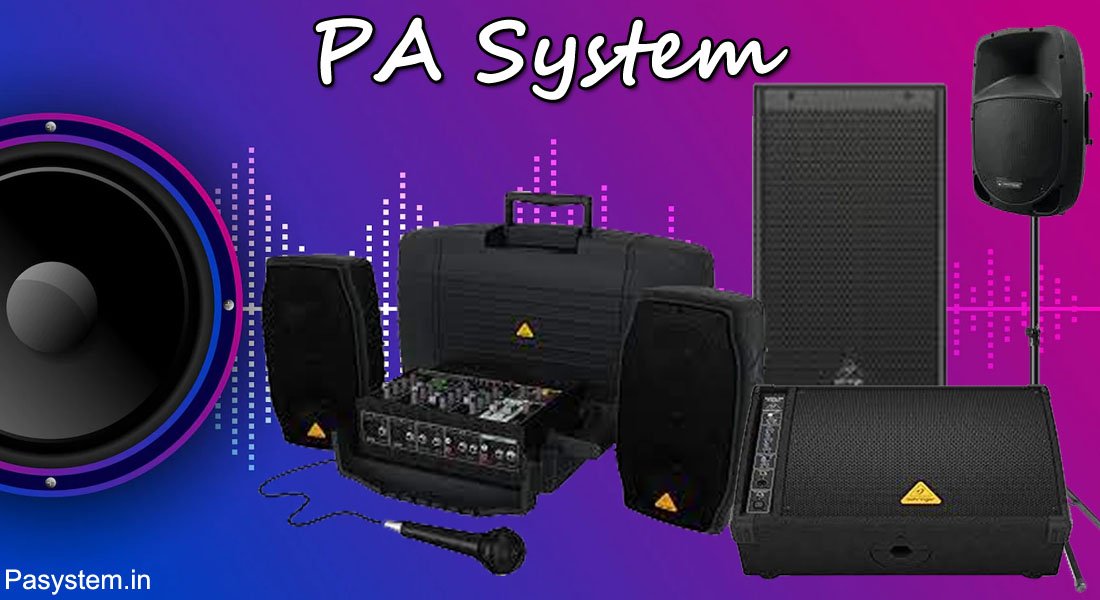
At its core, a PA system serves as a bridge—an amplifier that ensures messages resonate and reverberate across expansive spaces. Whether it is a bustling stadium, a serene park, or a corporate conference room, a PA system transforms spoken words into sonic waves that sweep over audiences, compelling their attention. This technological apparatus typically comprises several essential components: a microphone to capture sound, an amplifier to boost it, and loudspeakers to project it. This triad works in harmony, akin to a well-rehearsed troupe performing under the spotlight, where each element plays a pivotal role in delivering a seamless auditory experience.
There exist various types of PA systems, each tailored for specific venues and occasions. Portable systems cater to those on the move, ideal for outdoor events or impromptu gatherings. Imagine a location devoid of infrastructure, yet a lone speaker stands ready, delivering impassioned speeches that inspire and inform. Conversely, installed systems reside within auditorium walls, poised to serve audiences in comfortable seating arrangements, often incorporating elaborate arrays of speakers to envelop listeners in sound.
Many would be remiss to overlook the evolution of PA systems. In the early 20th century, these systems were cumbersome and rudimentary, often limited to military or industrial use. Over the decades, technological advancements have birthed sleek, user-friendly systems equipped with crystal-clear sound reproduction and wireless capabilities. The integration of digital technology has allowed these systems to adapt to the needs of diverse applications, including concerts, school assemblies, corporate meetings, and emergency announcements. The maturing of PA systems mirrors the development of communication itself, evolving from basic verbal exchanges to complex soundscapes that can engage emotions and shape narratives.
A key appeal of contemporary PA systems lies in their flexibility. Consider the versatility akin to a chameleon that adapts its colors to its surroundings. Events ranging from intimate gatherings to large-scale festivals can benefit from strategically designed systems that are infinitely customizable. For instance, a wedding reception may feature soft, romantic audio to accompany the clinking of glasses, while a rock concert may demand booming bass lines and crisp highs that invigorate the audience. This capacity to transition between atmospheres is what makes a PA system indispensable in the realm of live events.
Undoubtedly, the true magic of a PA system is the transformative potential it offers. It is the difference between a muddled announcement and a clear directive, the ability to command attention in a chaotic environment. It plays a vital role in crisis management as well; a well-placed PA system during emergencies can disseminate critical information swiftly and effectively, guiding people towards safety with succinct urgency amidst the panic.
Yet, the implementation of PA systems is not without its challenges. Consider the acoustics of a venue, which plays a crucial role in how sound is perceived. The geometry of a space can either enhance or detract from the audio experience, much like the subtle nuances of an artist’s brushstroke or the intricate layers of a fine symphony. For effective sound distribution, understanding the space, including its materials and layout, is essential. Experts must consider whether the walls absorb sound or if they create echoes that distort communication, ensuring that every corner of the venue receives the intended message.
Moreover, accessibility remains a vital consideration. Modern PA systems can accommodate individuals with hearing impairments through assistive technologies, ensuring inclusivity and equal participation. This aspect of design resonates deeply; a gathering in which all voices can be heard fosters a sense of community and belonging—a powerful sentiment that transcends mere auditory experience.
In examining the essence of a PA system, it is revealed that it is more than just a collection of hardware. It represents the very fabric of communication, the transparent thread that connects speakers and audiences, allowing ideas to flow freely. A well-executed use of PA systems can elevate an event from ordinary to extraordinary, where every word holds weight and every emotion can be shared. In myriad settings—be it the fervent cries of political rallies or the melodic strains of a community concert—the PA system stands as an unsung hero, a guardian of sound that enhances human connection.
In conclusion, the Public Address System is a remarkable amalgamation of technology, artistry, and human ingenuity. It transforms environments, amplifies messages, and, most critically, serves to unite voices in a shared experience. Just as a conductor leads an orchestra, the PA system guides information, ensuring it reaches the ears and hearts of all present. In the rapidly changing world of communication, this tool invites us to listen closely—because every voice matters, and clarity can turn mere noise into a harmonious conversation.











Leave a Comment