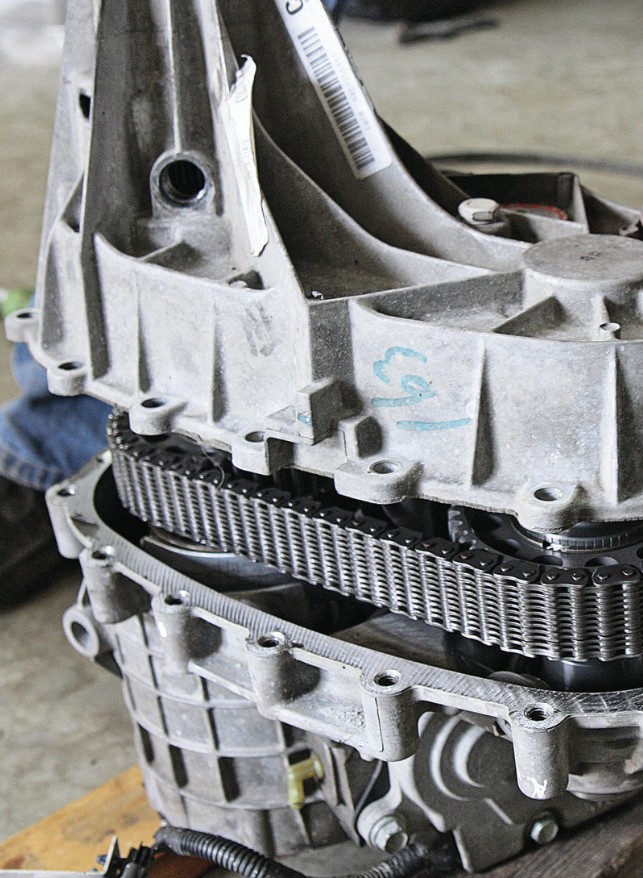
Have you ever pondered how your vehicle manages to navigate treacherous terrains, from slick muddy roads to steep inclines? This fascinating ability is largely attributed to a specialized component known as the transfer case. But what exactly is a transfer case on a car, and why is it so essential for certain vehicles? Let’s delve into the intricate world of transfer cases, unraveling their purpose, functions, and significance in the realm of automotive engineering.
Understanding the Basics of a Transfer Case
A transfer case is an integral component in four-wheel-drive (4WD) and all-wheel-drive (AWD) vehicles. It essentially serves as the intermediary that allows the engine’s power to be distributed among all four wheels, providing enhanced traction and control. Situated between the transmission and the front and rear axles, the transfer case can be thought of as the bridge that connects power to motion in these specialized vehicles.
The Main Functions of a Transfer Case
The primary roles of a transfer case include:
- Power Distribution: It manages the distribution of power to the front and rear axles, enabling all-wheel or four-wheel drive functionality.
- Gear Reduction: Many transfer cases feature low-range gearing that enhances torque in off-road situations, allowing for easier navigation over obstacles.
- Enhancing Traction: By supplying power to all four wheels instead of just two, a transfer case significantly improves a vehicle’s grip on slippery or uneven surfaces.
Types of Transfer Cases
Transfer cases vary in design and capability, primarily categorized into three types:
- Part-Time Transfer Cases: Often found in trucks and SUVs, these allow drivers to engage or disengage the four-wheel drive as needed, optimizing fuel efficiency while offering off-road prowess when required.
- Full-Time Transfer Cases: In contrast, full-time systems distribute power to all wheels continuously, ideal for maintaining traction in dicey driving conditions.
- Active Transfer Cases: Equipped with sensors and electronic controls, these systems can vary the torque distribution between front and rear wheels based on driving conditions, enhancing performance and stability.
How Does a Transfer Case Operate?
At its core, a transfer case employs a series of gears, chain drives, or belts to facilitate power transfer from the transmission. When a driver engages the four-wheel drive:
The transfer case shifts from the two-wheel drive mode to distribute power to all four wheels. The mechanics involve complex engineering, where the meshing of gears allows for either high-range or low-range gearing, catering to the situation.
Importance of Low-Range Gearing
Low-range gearing is a crucial feature in many off-road adventures. When challenged with steep inclines or rough terrain, low-range gearing provides higher torque at lower speeds. This is vital not merely for climbing obstacles but also for descending steep grades safely, ensuring that the vehicle’s power and speed remain manageable.
Transfer Case vs. Differential
While the transfer case is essential for distributing power to all four wheels, it often gets conflated with the differential, which performs a different yet complementary function. The differential allows for variations in wheel speed when turning, ensuring a smooth handling experience. Distinguishing between these two components is vital in understanding the complexities of a vehicle’s drivetrain.
Signs of Transfer Case Problems
As with any mechanical component, a transfer case can encounter issues over time. Some symptoms that may indicate a budding problem include:
- Strange Noises: Grinding or clunking sounds when engaging the transfer case can signal serious internal gear issues.
- Slipping Out of Gear: If the transfer case frequently slips from four-wheel drive to two-wheel drive unexpectedly, it may require immediate inspection.
- Fluid Leaks: Noticeable leaks under your vehicle can indicate a failing transfer case.
Maintenance for Longevity
To ensure optimal performance and longevity of your vehicle’s transfer case, routine maintenance is paramount. This includes:
- Regular Fluid Changes: Like any other significant vehicle system, the transfer case fluid must be routinely checked and replaced as necessary to prevent wear.
- Visual Inspections: Regularly inspecting for leaks and worn components can catch potential issues before they escalate.
- Professional Servicing: When uncertain, consulting with a professional mechanic can provide deeper insights and maintenance strategies tailored to your vehicle.
Conclusion
Understanding what a transfer case is and its essential role in a vehicle can illuminate the inner workings of automotive performance, especially in four-wheel and all-wheel drive systems. Whether you’re toying with the idea of an off-road expedition or simply curious about your vehicle’s capabilities, knowing how the transfer case operates can enhance your automotive knowledge. So, the next time you find yourself tackling a challenging path, remember the unsung hero—the transfer case—working tirelessly to keep you grounded, quite literally, while you conquer the roads less traveled.









Leave a Comment