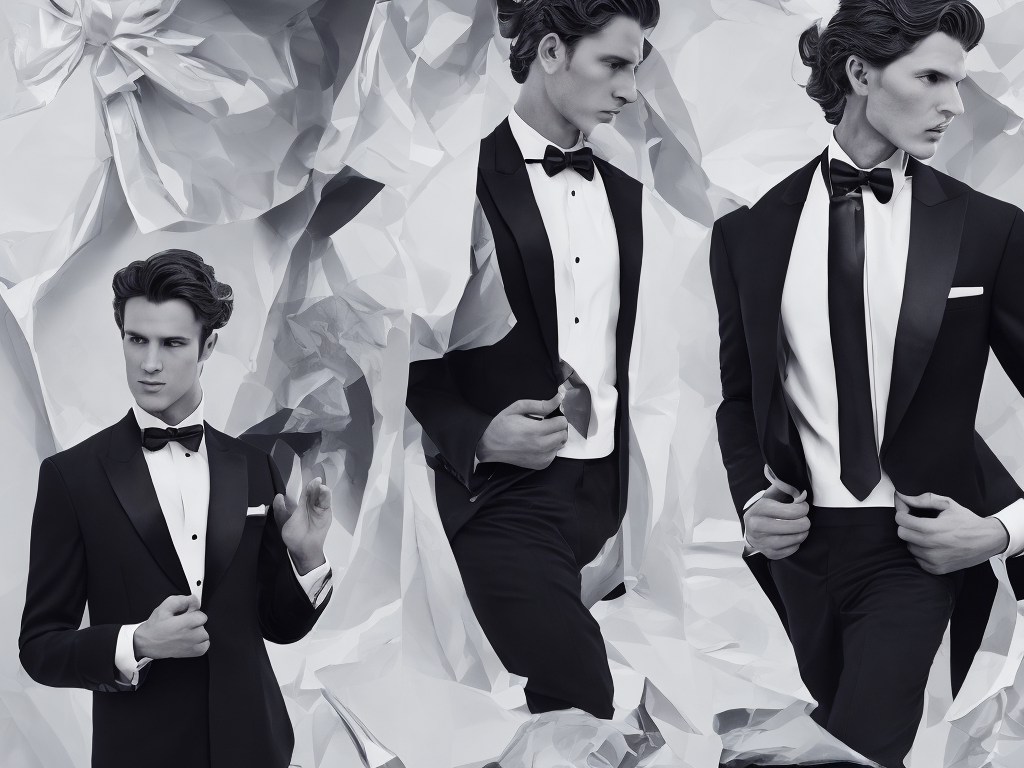
When it comes to formal attire, the distinction between a tuxedo and a suit can often perplex even the most seasoned attendees of galas and weddings. Picture yourself at an upscale event—do you opt for the sophisticated allure of a tuxedo or the refined versatility of a suit? The choice may seem trivial, but each garment carries its own unique history and set of connotations that can elevate or detract from your overall ensemble. As you ponder this sartorial dilemma, let’s delve deeply into the nuances that set these two iconic pieces apart.
1. Origin Stories: A Brief History
The tuxedo, often referred to as a dinner jacket in British parlance, has its roots in the mid-19th century, hailed from the glamorous world of formal evening wear. Originally conceived for informal dining at home, it quickly became synonymous with high-style soirée dressing. The suit, on the other hand, traces its lineage back to the 17th century, evolving from royal garb into a staple of daily and business wear, embodying versatility that a tuxedo cannot match. Understanding these historical contexts enriches your appreciation for each garment.
2. Fabric Choices: Textural Implications
When you think of a tuxedo, envision luxurious fabrics like silk, velvet, or fine wool, often adorned with satin lapels, creating a dramatic effect. This choice signifies opulence and formality, suitable for evening events. Suits, in contrast, are typically crafted from a diverse array of fabrics, including tweed, cotton, and linen, allowing for an extensive range of textures and weights. This flexibility accommodates various circumstances, from boardroom meetings to casual outings, often making the suit a more pragmatic choice.
3. Structural Contrasts: Tailoring and Silhouettes
In terms of cut and fit, tuxedos usually exhibit a more pronounced tailoring style, accentuating the waist and providing a sharper silhouette ideal for evening affairs. The traditional notched lapels of a suit vs. the peaked or shawl lapels of a tuxedo present a significant visual difference. Suits can adopt a variety of fits, including slim, regular, and relaxed options, enabling wearers to express personal style and comfort. The choice of lapel style adds further dimension to the wearer’s appearance, giving a hint at their taste and the occasion’s formality.
4. Accessorizing: The Finishing Touches
No formal outfit is complete without its accessories. Tuxedos often come with specific requirements: a formal bow tie or a cravat, cufflinks, and sometimes a cummerbund or waistcoat. This necessitates meticulous attention to detail, as any misstep in accessorizing can detract from the perceived elegance of the tuxedo. Suits offer more leeway; one can choose from neckties, pocket squares, and varied footwear. This infusion of personal style often makes a suit the go-to for those who relish the opportunity to express their individuality.
5. Occasional Appropriateness: Where to Wear
Understanding the context in which each outfit is appropriate is key to making the right choice. Tuxedos are quintessential for black-tie events, upscale weddings, and formal receptions. Wearing a tuxedo in any lesser setting—say, a casual birthday party—might prompt well-intentioned laughter for your overdressed appearance. Suits, on the other hand, boast tremendous versatility, functioning well for nearly any occasion, from job interviews to cocktail parties, and even more relaxed gatherings. This adaptability renders the suit a staple in modern wardrobes.
6. Color and Pattern Variability: A Spectrum of Choices
The color palette for tuxedos is typically restrained, favoring deep blacks, classic navies, or rich burgundies. While some adventurous individuals may select white or patterned tuxedos for thematic events, the average tuxedo remains largely monochromatic, adhering to tradition. Suits, however, embrace color, allowing for an audacious spectrum from pastel shades to vibrant prints. This array ensures that wearers can find a suit that speaks to their personality or complements a specific theme.
7. Cultural Perspectives: Global Variations
Different cultures often imbue tuxedos and suits with varied significance. In some regions, a tuxedo may be the epitome of status, while in others, it may be perceived as outdated. Conversely, suits can transcend cultural boundaries, evolving with fashion trends to remain relevant. Understanding cultural interpretations can further refine your choice, enabling you to resonate with the atmosphere of any event.
Conclusion: Making the Choice
So, armed with knowledge of the distinctions between a tuxedo and a suit, how will you navigate your next wardrobe decision? Are you ready to boldly declare your personal style at an upcoming function—or perhaps rise to the challenge of mastering both looks? Ultimately, whether you drape yourself in the luxurious fabric of a tuxedo or opt for the classic versatility of a suit, it all boils down to the occasion, your personal flair, and a touch of confidence that completes any ensemble. Choose wisely, and let your attire tell your unique story.









Leave a Comment