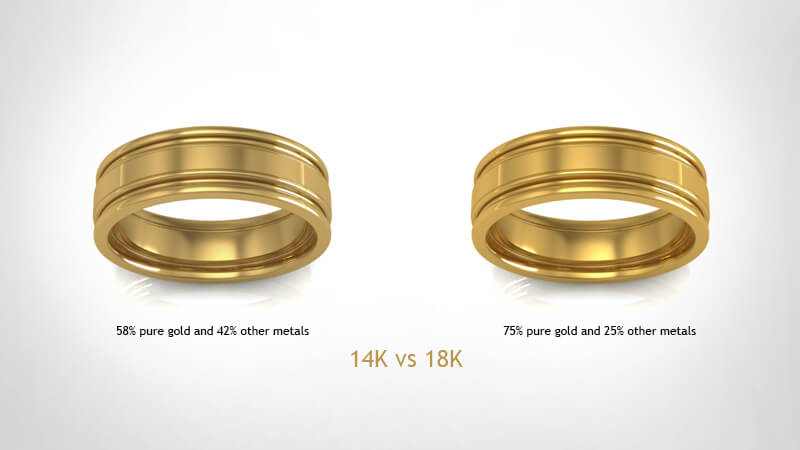
In the realm of fine jewelry, especially when it comes to gold rings, the debate over the superiority of 18k versus 22k gold is one that has engaged enthusiasts and casual buyers alike. The allure of gold, with its radiant luster and intrinsic value, draws individuals into a world where choices are often laden with both sentimental and material implications. Understanding the nuances of these two popular gold purities requires a closer examination of their composition, characteristics, and suitability for various contexts.
Understanding Gold Purity:
Gold purity is measured in karats (k), with 24k representing pure gold. Thus, 18k gold contains 75% gold and 25% other metals, while 22k gold is composed of 91.67% gold and 8.33% alloys. The additional metals in these alloys can vary but typically include copper, silver, and palladium. This distinction in composition creates a wealth of differences that affect everything from color to cost, durability, and desirability.
Visual Appeal:
One of the most immediate considerations when choosing between 18k and 22k gold is the aesthetic quality. 22k gold, with its higher gold content, exhibits a richer, more vibrant yellow hue. This intense coloration often appeals to those who favor traditional gold jewelry or pieces that exude opulence. In contrast, the slightly duller tone of 18k gold—resulting from the higher alloy content—may lend itself more adeptly to modern designs, where a subtler metallic appearance can be desirable.
Durability and Wearability:
The durability of a ring is paramount, particularly for pieces designed for daily wear, such as wedding bands or engagement rings. Here, 18k gold excels due to its stronger structure provided by the additional alloys. These metals enhance its resistance to scratches and dents, making 18k gold an appealing choice for individuals leading active lifestyles. In stark contrast, the softer nature of 22k gold, while luscious and appealing, renders it more susceptible to wear and requires greater care to maintain its pristine condition.
Cost Considerations:
Cost is an undeniable factor when selecting jewelry. Given the higher gold content, 22k rings typically carry a premium price. This aspect may be an essential consideration for those budgeting for a significant purchase. Additionally, the price of gold can fluctuate, influenced by market conditions. Therefore, purchasing an 18k piece may be financially more prudent, allowing for the acquisition of additional designs or complementary pieces.
Allergies and Skin Reactions:
For some individuals, allergies to certain metals, such as nickel, can impact their choice of gold. Because 18k gold includes a higher percentage of alloys, there is a potential increased risk for allergic reactions. Conversely, 22k gold, being purer, minimizes the introduction of allergens. For sensitive skin or those previously affected by metal allergies, 22k gold might be the more suitable option.
Cultural and Symbolic Significance:
Cultural influences play an indispensable role in the preference for either 18k or 22k gold. In many cultures, particularly in South Asia, 22k gold is perceived as the standard for traditional jewelry, where its higher purity is seen as a symbol of wealth and status. Coins, wedding jewelry, and ceremonial pieces often adhere to this preference. On the other hand, in Western cultures, 18k gold is favored for its versatility and is frequently employed in contemporary jewelry, allowing for innovative designs that resonate with modern sensibilities.
Maintenance and Care:
Each gold type demands adequate maintenance to preserve its beauty. 18k gold requires less frequent polishing due to its sturdiness, making it easier to care for on a day-to-day basis. However, it can tarnish more than 22k gold, depending on the alloy mix. In contrast, 22k gold, while less tarnished, may require frequent polishing and careful handling due to its softer surface, making maintenance an essential consideration for potential buyers.
Investment and Resale Value:
When considering jewelry as an investment, one must evaluate not only current market trends but also the intrinsic value of the gold. Generally, higher karat gold tends to retain its value better over time. For individuals seriously contemplating the potential future resale of their jewelry, investing in 22k gold may be a prudent decision, especially in regions where it is highly sought after. Nevertheless, the craftsmanship and brand reputation can also heavily influence a piece’s resale value, making it a multifaceted decision.
Conclusion:
In conclusion, the choice between 18k and 22k gold rings encapsulates a myriad of factors, including aesthetic preferences, practicality, cultural significance, and long-term value. While 22k gold boasts a dramatic visual appeal and a purity that may evoke a sense of luxury, its softness and maintenance requirements may deter those seeking durability. Conversely, 18k gold harmonizes beauty with resilience, making it a favored choice for everyday wear. Ultimately, the decision rests on aligning personal values with practical considerations, ensuring that the selected ring not only dazzles but also serves as a cherished symbol for years to come.









Leave a Comment