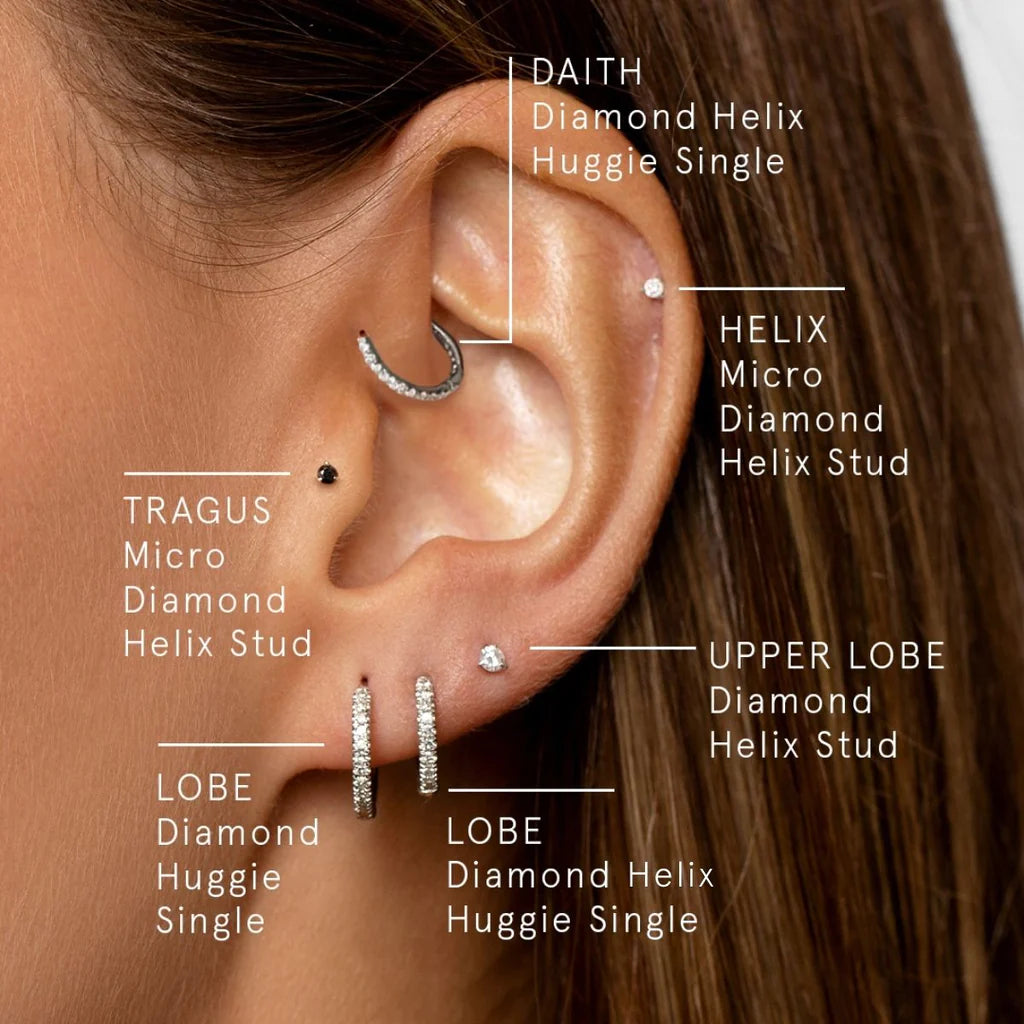
Getting a cartilage piercing can be akin to embarking on an exciting adventure—a foray into the world of self-expression, individuality, and perhaps, a hint of rebellion. Yet, with all journeys, there are milestones and checkpoints along the way. One significant question arises as your healing progresses: When can you change your cartilage piercing? This article will delve deep into the intricacies of cartilage healing, the physiological responses of your body, and the right time to embrace the allure of new jewelry.
Before delving into the specifics, it is essential to understand the anatomy of cartilage. Unlike the skin, which plays a role in rapid healing, cartilage piercings involve the firmer tissue that surrounds the ear. It is less vascular, and therefore, healing may take longer than traditional lobe piercings. Think of cartilage piercings as a delicate flower unfurling its petals, each requiring time and care to reveal its full beauty.
The Healing Process
Generally, the journey of healing a cartilage piercing can span from 3 months to a full year, depending on various factors. Understanding these stages is crucial. The initial healing phase lasts approximately 6 to 8 weeks, during which the body forms new tissue around the piercing. Just as a garden needs tending, so does your fresh piercing. In this phase, it is imperative to adhere to aftercare routines—cleaning with saline solution or a gentle saline spray, avoiding harsh products, and steering clear of excessive movement or contact.
As time progresses, the piercing continues its transition from a raw wound to a more resilient site of adornment. After the initial healing phase, it can feel tempting to introduce new jewelry. However, patience is a virtue as the second phase of healing can linger and last up to a full year. During this duration, the cartilage becomes firmer, but cellular changes unfold more subtly, similar to the way a caterpillar morphs into a butterfly in a chrysalis.
Signs of Complete Healing
How do you know when the time is right? Look for specific signs that signify readiness for change. First and foremost, the absence of pain or tenderness is a positive signal. A well-healed cartilage piercing will also display no signs of redness, swelling, or discharge. The skin should appear healthy, with a natural hue that harmonizes with the surrounding area.
Moreover, consider the jewelry itself—a freshly adorned piercing may initially be accompanied by swelling or sensitivity. If the piercing feels snug—offering resistance when attempting to turn or manipulate it—this could indicate that it is still in the process of healing. Envision your piercing as a secret passageway; isn’t it wise to ensure the path is clear before venturing forth into uncharted territory?
When to Consult a Professional
In this ever-evolving relationship between you and your piercing, sometimes your intuition may not suffice. Regular consultations with a professional piercer can provide crucial insights. Their expertise can shed light on individual healing patterns and answer questions with precision—a compass guiding you through lush, uncharted woods. If any unusual symptoms arise, such as persistent pain or signs of infection, seeking professional advice should become paramount. Remember that the journey of body modification often requires teamwork between you and skilled artisans.
The Choice of Jewelry
Once you’ve received the green light from your body and your piercer, the fun begins—selecting new jewelry that reflects your unique identity! The choices are as diverse as the colors in a sunset. Consider factors like material (biocompatible metals like titanium or surgical steel), gauge size, and design. A change in jewelry is not merely an aesthetic decision; it’s a statement, a way to articulate your evolving self. With so many options, the world becomes a tapestry of styles—from dainty hoops that whisper elegance to striking studs that scream individuality.
Aftercare for New Jewelry
Just as you wouldn’t plant new seeds in a garden without nourishing the soil, introducing new jewelry requires vigilance and care. Adhere to the same principles of aftercare as you did with your initial piercing. Clean the area gently and avoid the urge to fiddle with the new adornment. Allow the new jewelry to settle and adjust to its new environment—this is the nurturing phase that ensures longevity and happiness between you and your ear.
Final Thoughts
In conclusion, timing is an essential ingredient in the process of changing your cartilage piercing. Give yourself permission to be patient; embrace the healing journey as an integral part of the experience. With proper care and attention, not only will your piercing heal brilliantly, but it will also pave the way for future adornments that can accompany you through life’s many adventures. Each change in jewelry signifies new growth, a fresh chapter waiting to unfold—so as you contemplate your next move, remember to honor the beauty and resilience of your body’s journey.









Leave a Comment