When it comes to the intricate machinery of your vehicle, the serpentine belt plays a pivotal role in ensuring everything operates smoothly. If you’ve ever wondered when exactly to replace this essential component, you’re not alone. This article delves into the nuances surrounding serpentine belt maintenance, offering an enlightening perspective that will leave you equipped to make informed decisions about your vehicle’s health. Whether you’re a seasoned automotive enthusiast or an everyday driver, understanding the signs and nuances of serpentine belt replacement could prove invaluable.
Understanding the Serpentine Belt
Before embarking on the journey of maintenance, it’s essential to grasp the fundamental functions of the serpentine belt. This singular belt, typically constructed of durable rubber, orchestrates the operation of various vital accessories in your vehicle, such as the alternator, power steering pump, water pump, and air conditioning compressor. Imbued with grooves designed to provide traction, the serpentine belt channels power from the engine to these components, ensuring optimal performance. A corroded or failing serpentine belt can cascade into a host of mechanical issues, making timely replacement crucial.
Signs of Wear and Tear
Identifying the signs of a deteriorating serpentine belt can save you from catastrophic mechanical failure. Here are a few red flags to be acutely aware of:
- Visible Cracks and Fraying: Inspect the belt for surface cracks or fraying at the edges. Such imperfections can lead to eventual belt failure.
- Squealing or Chirping Noises: An audible squeal may indicate that the serpentine belt is slipping or is misaligned. This common yet telling symptom should not be ignored.
- Loss of Power Steering: If the power steering suddenly becomes difficult to use, it may signal a failing serpentine belt, affecting your vehicle’s maneuverability.
- Engine Overheating: The serpentine belt drives the water pump. A malfunctioning belt can lead to inadequate coolant circulation, resulting in overheating.
- Warning Lights: Modern vehicles are equipped with sensors that may trigger warning lights on the dashboard if the serpentine belt is compromised.
Manufacturer Recommendations
Most manufacturers provide guidelines regarding the lifespan of serpentine belts, typically suggesting replacement every 60,000 to 100,000 miles. Yet, driving habits and environmental conditions can influence this timeline. For instance, if you frequently navigate urban areas with stop-and-go traffic, or if your vehicle is routinely exposed to extreme weather conditions, the belt may wear down faster.
Preventive Maintenance and Inspection
Proactive maintenance is pivotal. Regular inspection not only prolongs the life of your serpentine belt but also enhances the overall functionality of your vehicle. Schedule routine checks during oil changes or at least twice a year, particularly before embarking on long journeys. A thorough examination by a certified mechanic can unveil underlying issues that may not be immediately apparent to the average driver.
Replacing the Serpentine Belt
When the time comes to replace the serpentine belt, consider the following approach for a seamless process:
- Tools Required: Gather necessary tools such as a socket set, serpentine belt tool, and a tensioner tool. If unfamiliar, consulting with a professional can streamline the replacement.
- Selecting the Right Belt: Ensure you purchase a belt that meets manufacturer specifications. Variances in size and design can lead to improper fitment and performance issues.
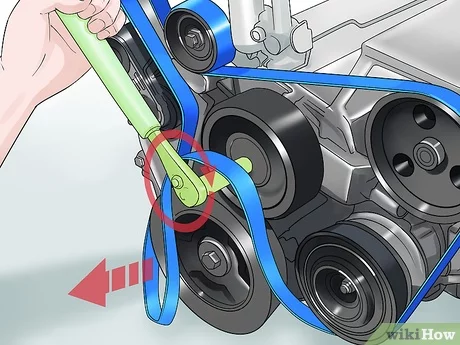
- Remove the Old Belt: Use the tensioner tool to relieve tension and slide off the old belt. Take special care to note the routing path of the belt, as this will guide the installation of the new one.
- Install the New Belt: Follow the original routing path meticulously during installation. Reapply tension, ensuring the belt is secure yet adequately tightened.
Environmental Factors Affecting Longevity
Interestingly, external factors can significantly influence the lifespan of your serpentine belt. Here are some aspects to consider:
- Climate: High temperatures can expedite rubber degradation, while cold weather can make belts brittle. Consider your local weather patterns when assessing belt health.
- Driving Conditions: Gravel roads or unpaved terrains increase the chance of exposure to debris, which can compromise the belt’s integrity.
- Contaminants: Oil leaks or coolant spills near the serpentine belt can lead to premature wear, making vigilance crucial.
Final Thoughts
Understanding when to replace your serpentine belt goes beyond mere mileage markers; it’s about recognizing the signs and nuances that signify its impending failure. A combination of periodic inspections, awareness of environmental factors, and heeding the distinctive symptoms of wear can dramatically extend the belt’s life, keeping your vehicle in prime condition. By adopting a proactive approach, you not only safeguard your vehicle’s performance but also enhance your overall driving experience. So, the next time you’re under the hood, remember: knowledge is power, and a well-maintained serpentine belt is the unsung hero of your automobile’s engineering.








Leave a Comment