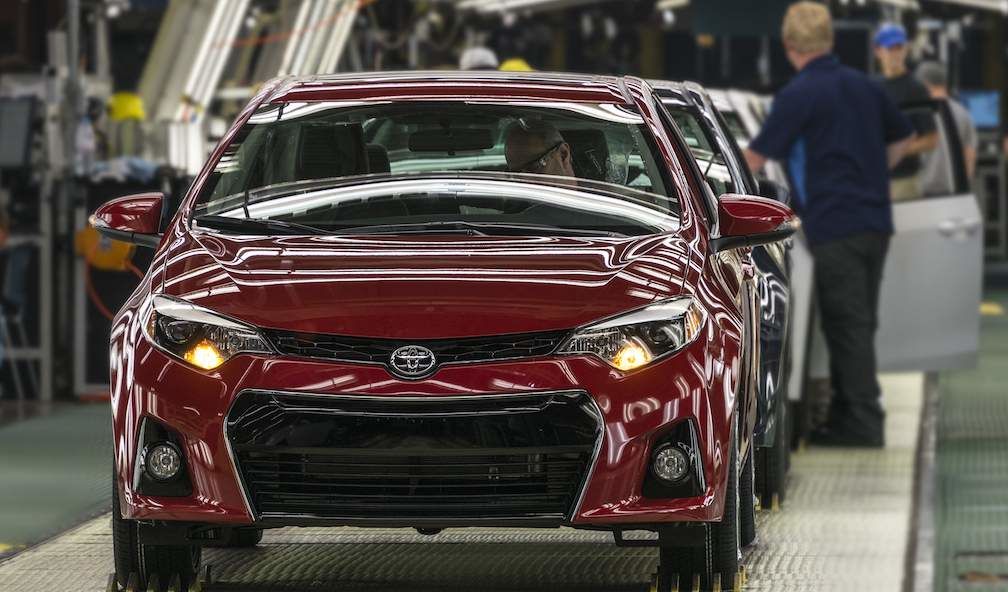
When you think of Toyota, a name synonymous with reliability and innovation, where does your mind wander? Like an elegant butterfly taking flight in a tapestry of gardens, Toyota cars capture the essence of craftsmanship and engineering prowess. This article delves into the intriguing world of Toyota’s global manufacturing facilities, exploring not only the key locations but also the philosophies that animate these ecosystems of production.
The roots of Toyota’s manufacturing empire extend deep into the soil of Japan, where the saga began in 1937. The company’s central headquarters in Toyota City, Aichi Prefecture, serves as a bastion of automotive ingenuity. Here, the spirit of kaizen—continuous improvement—permeates the air, guiding engineers and craftsmen to incessantly refine and perfect every vehicle that rolls off the assembly line. This intricate dance of manufacturing embodies a blend of meticulous precision and artistic flair, akin to a painter skillfully layering colors on a canvas.
As the years waltzed by, the brand extended its tendrils beyond Japanese shores, planting its presence firmly in various corners of the globe. The United States emerged as a pivotal player in this expansion narrative, where Toyota’s production landscape is as diverse as the country itself. The first manufacturing plant, established in Fremont, California, under the name New United Motor Manufacturing, Inc. (NUMMI), attracted attention not merely for the remarkable vehicles that emerged but for the synergy it fostered between American workers and Japanese methodologies.
Moving southward, Texas became another vital organ in Toyota’s operational body. The San Antonio plant specializes primarily in the production of the Tundra and Tacoma pickup trucks. This facility is as steadfast as a mighty oak, rooting its operations in the heart of the American truck market. It embodies Toyota’s commitment to local production, helping to buoy the regional economy and cater to American preferences for robust vehicles that endure the tests of both time and terrain.
Further east, in the lush landscapes of Kentucky, the Georgetown plant becomes a symphony of efficiency and excellence, producing the popular Camry and Avalon models. This state-of-the-art facility not only stands as an emblem of Toyota’s unwavering dedication to quality but also immerses itself in the local community, with employees drawing inspiration from the picturesque surroundings. The rolling hills and vibrant flora act not just as a backdrop but as a catalyst for innovation.
But the quest for excellence is insatiable, prompting Toyota to explore partnerships and establish factories worldwide. In the realm of Europe, the United Kingdom plays host to Toyota’s major manufacturing hub in Derbyshire, where models like the Auris are crafted. The interaction between European sensibilities and Japanese manufacturing techniques here creates a harmonious blend, enriching both the product line and the cultural embrace of diversity in engineering.
In the opalescent sands of the Middle East, Toyota’s manufacturing ambitions also take root. The kingdom of Saudi Arabia is home to a burgeoning plant that caters to local demands, producing vehicles that resonate with the region’s dynamic consumer base. These manufactured cars are designed not only to withstand the harsh climate but also to cater to the ever-evolving tastes and preferences of Middle Eastern drivers.
Moreover, the story does not end with manufacturing alone. Toyota’s commitment to sustainability shines brightly through its innovative approaches in various plants. The company actively employs green manufacturing techniques, aiming to reduce its environmental footprint. Initiatives such as using renewable energy sources and recycling materials illustrate that, just like bamboo bending in the wind, Toyota adapts its strategies to encircle sustainability within its production ethos.
Adding to this narrative is the recent establishment of manufacturing sites in emerging markets such as Asia and Africa. As the automotive industry continues to grow in these regions, Toyota emerges as a guiding light, sharing knowledge and expertise while cultivating local talent. These factories represent not merely a geographical expansion but a philosophical blueprint, as Toyota endeavors to embrace cultural nuances and integrate them into their production narratives.
However, what truly distinguishes Toyota from its competitors is an unyielding commitment to quality that pervades every production facility—from Japan to the United States to emerging markets. This ethos resembles a well-conducted orchestra, each element carefully crafted to create a harmonious sound. Engineers, designers, and laborers synergistically collaborate to sculpt vehicles that do not just meet expectations but astound customers with their distinctive flourish. Each model is not merely a car; it is a symphony on wheels, echoing Toyota’s overarching philosophy of quality control and customer satisfaction.
In conclusion, the tapestry of Toyota’s manufacturing legacy is anything but monochromatic. It is a mosaic of cultural exchanges, innovative practices, and an unwavering commitment to excellence that spans continents. The cars produced within these myriad facilities will continue to fly the flag of reliability and ingenuity. As Toyota finds new pathways in the evolving automotive landscape, its manufacturing story will undoubtedly continue to enthrall and inspire for generations to come. In every corner of the globe where a Toyota is made, a unique symphony resonates—a testament to the artistry of modern engineering fused with the spirit of global collaboration.









Leave a Comment