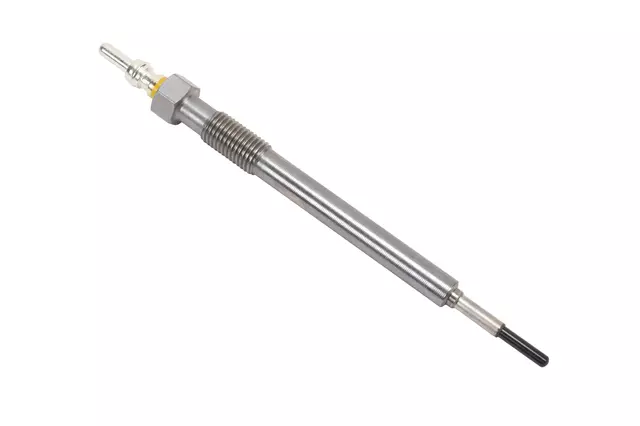
The 2016 GMC models are iconic, embodying rugged durability and modern sophistication. However, one peculiar issue has surfaced: the unavailability of glow plugs for these vehicles. This conundrum raises eyebrows and prompts avid automotive enthusiasts and everyday drivers alike to wonder about the ramifications. Understanding the complexities of this phenomenon unveils a tapestry of logistical challenges, market dynamics, and a shift in the automotive industry landscape.
At the heart of the issue lies the fundamental role that glow plugs play in diesel engines. These small but mighty components are essential for the efficient operation of diesel powertrains. By heating up prior to ignition, they facilitate smoother starts and enhance overall engine performance. Despite their critical function, the scarcity of glow plugs for the 2016 GMC models has become an alarming trend, sparking curiosity and concern among GMC owners.
The genesis of the unavailability problem can be traced back to several intersecting factors. First and foremost, supply chain disruptions have ramped up in intensity in recent years. Global events, including geopolitical tensions, natural disasters, and pandemic-related labor shortages, have wreaked havoc on manufacturing capabilities. As a result, component manufacturers have struggled to procure the necessary raw materials and maintain production schedules. This chaos has led to a bottleneck effect, wherein the demand for essential engine parts, like glow plugs, far outweighs supply.
Moreover, the automotive parts industry has been subjected to significant shifts in consumer behavior. With an increasing number of consumers opting for eco-friendly and hybrid vehicles, traditional diesel engine components, including glow plugs, have seen a decline in production volume. As manufacturers adjust their offerings to cater to changing market preferences, the 2016 GMC glow plugs may inadvertently fall into a category of low priority, further exacerbating their unavailability.
Another angle to consider is the intricate relationship between automotive manufacturers and aftermarket suppliers. While manufacturers typically maintain a robust inventory to meet service demands, aftermarket suppliers are crucial for fulfilling the needs of independent repair shops and DIY enthusiasts. However, if original equipment manufacturers (OEMs) prioritize the production of newer models, the older parts, including those from 2016 models, may receive diminished attention. This dynamic creates a cascading effect, ultimately leading to reduced availability of critical components like glow plugs.
The repercussions of this situation extend beyond mere inconvenience for drivers. The inability to procure glow plugs not only hampers vehicle performance but can also lead to cascading failures within the engine system. From increased emissions and reduced fuel efficiency to problematic starts and potential engine damage, the ramifications of neglected glow plug maintenance can be severe. As drivers grapple with these challenges, the importance of understanding the underlying causes of part unavailability becomes all the more apparent.
Curiously, manufacturers have attempted to address the overwhelming demand for glow plugs through various interim measures. While some have increased production of aftermarket replacements, others are looking into developing alternative technologies altogether. Innovations such as glow plug replacements with advanced heating elements or the integration of starter relay systems illustrate the industry’s response to shifting needs. For the intrepid driver, this may present an opportunity to explore unconventional solutions that offer reliability and enhanced performance.
Furthermore, the rise of online retailers and alternative marketplaces has transformed the parts procurement landscape. Once reliant on local dealerships or authorized service centers, drivers can now explore a plethora of options that might not have been readily available in the past. This shift has piqued interest, leading automotive aficionados to scour the internet for hard-to-find components. However, the question remains: how does one distinguish reliable sources for critical engine components from potentially dubious suppliers?
Education emerges as a pivotal component in navigating this supply conundrum. Informed consumers are more likely to make prudent decisions when selecting aftermarket parts or embarking on DIY fixes. Detailed research, reviews, and community insights can shine a light on the best practices when seeking glow plugs or other essential components. Moreover, participation in automotive forums and networks can foster collaboration among enthusiasts, providing a supportive community that thrives on shared experiences.
Rest assured, the automotive industry remains highly adaptive. As manufacturers grapple with the current deficiencies, there exists the potential for rejuvenation and innovation in the parts supply chain. Emerging technologies, combined with evolving manufacturing strategies, can herald a new era for automotive components, including glow plugs. The adaptation to modern challenges might lead to an influx of options that were previously unimaginable.
In conclusion, the question of why 2016 GMC glow plugs are unavailable transcends mere inconvenience. It unfurls a complex narrative woven through a tapestry of supply chain challenges, shifts in consumer behavior, and a dynamic automotive industry landscape. For drivers, understanding the multifaceted reasons behind this scarcity encourages proactive engagement and the exploration of innovative alternatives. As the industry pivots and adapts to meet the needs of a new era, staying informed and involved will ultimately empower drivers, ensuring that they remain in the driver’s seat—regardless of the challenges ahead.









Leave a Comment