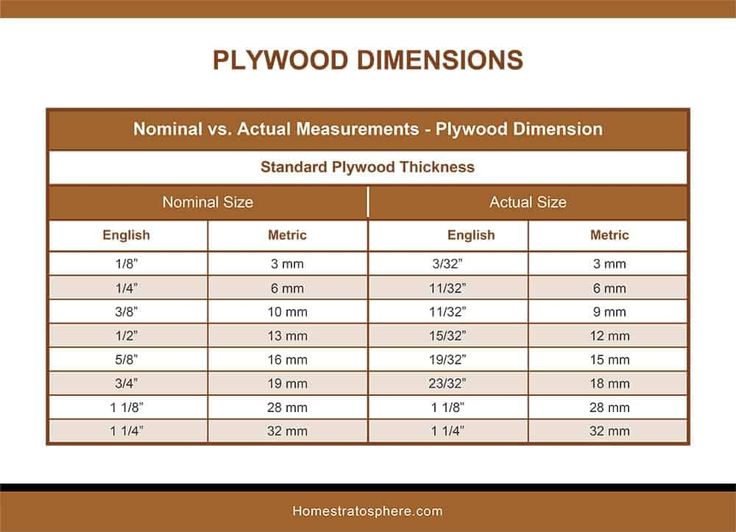
When one thinks of plywood, it might conjure images of humble boards stacked in a lumberyard. But delve a bit deeper, and you will uncover a material that serves as the unsung backbone of construction, crafting, and furniture making—a sturdy blend of wood veneers that epitomizes both practicality and creativity. Yet, amidst the myriad of plywood options available, one size stands out in particular: 23/32-inch plywood. This dimension, often overshadowed by its more commonly cited counterparts, deserves the spotlight for several compelling reasons.
The term “23/32 inches” translates to approximately 0.71875 inches, elegantly balancing the scales between robust functionality and suitability for various applications. Understanding this measurement is pivotal for craftsmen, builders, and DIY enthusiasts alike, as it forms the foundation of numerous structural and decorative endeavors.
Let’s embark on a journey to explore the multifaceted nature of 23/32 plywood, breaking down its dimensions, uses, and the unique appeal that this measurement brings to the world of woodworking.
1. The Dimensions Explained
Plywood is traditionally measured in thickness, and 23/32 inches falls snugly between ¾ inch and 1 inch. This fractional inch might seem minute, yet its implications are profound. It provides increased durability over ½-inch boards while remaining lighter and more manageable than 1-inch sheets, making it an ideal choice for a variety of construction and crafting projects.
2. Versatility in Usage
The versatility of 23/32 plywood is akin to a chameleon, able to adapt to various environments. From subflooring and wall sheathing to cabinetry, the applications are vast. This thickness plays a vital role in ensuring stability and strength without the excessive heft that comes with thicker boards.
Many builders opt for this size in residential construction, particularly for roofing and flooring systems. In each of these areas, the plywood acts as a silent guardian, supporting everything from the home’s framework to the aesthetic finishes.
3. Aesthetic Potential
23/32 plywood can also serve as a blank canvas for artistic endeavors. Its surface can be treated with stains, paints, or veneers, providing limitless possibilities for creative expression. The grain patterns, particularly in high-quality hardwood plywood, often reveal an inherent beauty that can elevate furniture pieces from ordinary to extraordinary.
4. Structural Integrity
When considering strength, the layered construction of plywood lends it extraordinary durability. The multiple veneers bonded together create a composite that can withstand significant weight and resist warping. Opting for 23/32 plywood ensures that your projects—however ambitious—are backed by reliable structural integrity, much like the beams holding the roof over your head.
5. Acoustic Qualities
An interesting aspect of 23/32 plywood is its acoustic properties. This thickness can aid in sound insulation, making it a favored option for music studios and home theaters. Just as a well-tuned orchestra harmonizes its sounds, plywood can contribute to a symphony of peaceful acoustics within any space.
6. Eco-Friendly Attributes
As sustainability becomes a priority, many manufacturers are turning to responsibly sourced wood for their plywood products, including 23/32 options. This commitment to environmentally friendly practices is like planting a tree to offset the lumber used, thereby creating a circular relationship with nature that benefits both builders and the planet.
7. Cost-Efficiency
This plywood size also strikes a balance when it comes to expense. Its robust nature often allows for fewer panels to be used, culminating in less waste and, therefore, better overall cost-efficiency on projects. In essence, it’s an economical choice that does not compromise on quality.
8. Installation Considerations
While 23/32 plywood is easy to handle, proper installation methods are crucial. Users often recommend pre-drilling holes when fastening to avoid cracking, much like carefully nurturing a delicate plant to ensure its healthy growth. Understanding the right techniques will further enhance the durability and longevity of any project.
9. Code Compliance
In many instances, building codes dictate the thickness of plywood required, especially for structural applications. Understanding the nuances of these regulations can provide peace of mind, as utilizing 23/32 plywood often aligns with both safety and best practices in construction.
10. Conclusion: A Dimension Worth its Weight
In the grand tapestry of woodworking and construction, 23/32 plywood may initially appear as a minor character, yet its influence is substantial. This thickness harmonizes strength, versatility, and aesthetic potential, functioning as a versatile tool in the hands of skilled artisans and builders. Whether you are constructing a sturdy subfloor or crafting a beautiful piece of furniture, embracing the unique properties of 23/32 plywood will undoubtedly elevate your projects beyond the mundane. Much like a sculptor chiseling away at a block of marble, knowing the dimensions and applications of your materials can create masterpieces that withstand the test of time.








Leave a Comment