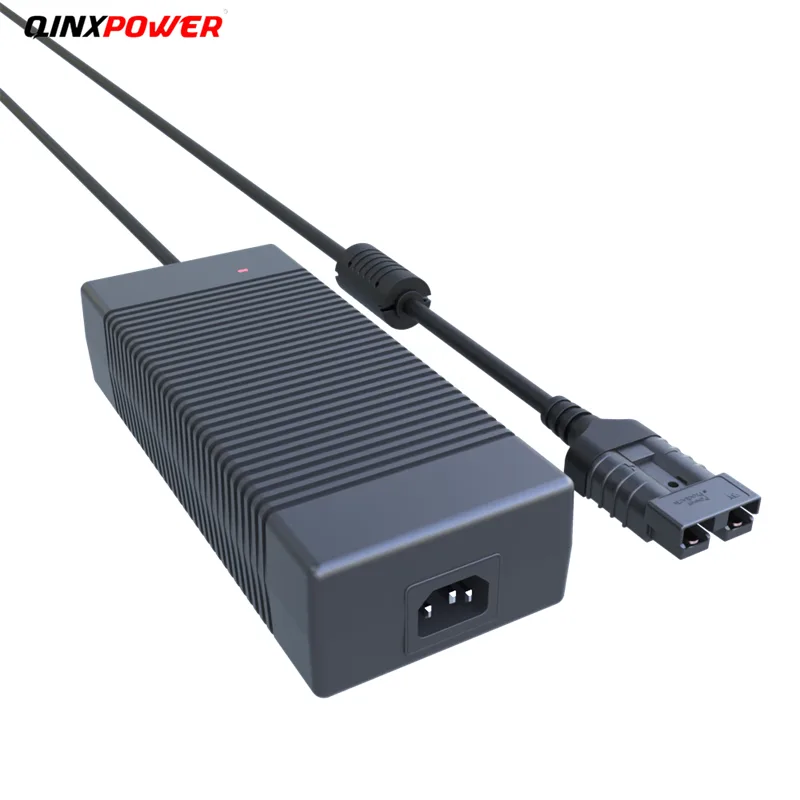
When contemplating the leisurely pursuit of golf, have you ever pondered why a 36-volt golf cart battery charger is essential for maximizing your enjoyment on the green? Much like a well-tuned golf club can influence your swing, a reliable battery charger can significantly impact the lifespan and performance of your electric cart. However, navigating the intricacies of golf cart chargers can present a conundrum for enthusiasts and novices alike. Let’s delve into the comprehensive world of 36-volt golf cart battery chargers, exploring their importance, features, and maintenance tips.
1. Understanding the Basics of a 36-Volt Golf Cart Battery Charger
A 36-volt charger is specifically engineered to replenish the energy stored in three 12-volt batteries wired in series, which is the standard setup for many electric golf carts. The charger uses a controlled current flow to restore battery power, ensuring that your cart is ready for another day on the course. These chargers are versatile and compatible with lead-acid and lithium-ion batteries.
2. The Importance of Using the Right Charger
Utilizing the correct charger not only prolongs the lifespan of your batteries but also enhances the overall performance of your golf cart. An inappropriate charger can lead to insufficient charging, or worse, overcharging, which can damage the batteries. Ensuring that you have a charger with the right voltage and amperage rating is crucial.
3. Key Features of 36-Volt Chargers
- Automatic Shut-Off: Many modern chargers come equipped with sensors that detect when the batteries are fully charged, automatically shutting off to prevent overcharging.
- LED Indicators: Visual indicators often display the status of the charging process, allowing users to ascertain quickly whether their batteries are charging, fully charged, or experiencing an issue.
- Durable Build: Chargers designed for outdoor use are often constructed to withstand the elements, ensuring longevity.
- Multi-Stage Charging: Some chargers utilize a multi-stage charging system, which provides different levels of current during various stages of charging, thus enhancing battery health.
4. Selecting the Right Charger: What to Look For
Choosing the right charger can be challenging. Consider the following criteria to guide your decision:
- Charging Speed: Different chargers have varying rates of charge. If you frequently find yourself in a time crunch, look for high-amp chargers that can significantly reduce charging times.
- Temperature Compensation: Chargers with temperature compensation adapt their output based on the battery’s temperature, ensuring safe and efficient charging under varying thermal conditions.
- Compatibility: Ensure that your charger is compatible not only with the voltage but also with the specific type of batteries you are using, whether they are flooded, AGM, or gel cells.
5. Installation Tips
Installing a 36-volt charger may seem daunting, but with some basic knowledge, it can be straightforward:
- Locate a Suitable Area: Ensure that the installation site is dry and well-ventilated to prevent overheating.
- Secure Connections: Make certain that all cables are connected securely to avoid loose connections, which can result in inefficient charging or potential hazards.
6. Maintenance of 36-Volt Chargers
To ensure optimal performance from your charger, regular maintenance is important:
- Periodic Inspections: Routinely check the charger for frayed cords or other signs of wear and tear.
- Cleansing Connections: Dust and debris can accumulate at the connection points. A simple wipe down can prevent poor conductivity.
- Storing Properly: If not in use, store the charger in a cool, dry place to avoid damage from humidity or extreme temperatures.
7. Troubleshooting Common Issues
Even the best-laid plans can lead to unexpected quandaries. Being prepared to troubleshoot common issues can save both time and frustration:
- Charging Light Indications: If the charger is not showing any lights, inspect the power source first.
- Overheating: If the charger runs excessively hot, it might be due to high ambient temperatures or poor ventilation. Address these concerns promptly.
8. The Environmental Impact of Golf Cart Chargers
As the world increasingly shifts towards sustainability, consider the eco-friendly options available. Some chargers offer advanced technology mitigating energy consumption, thus reducing your carbon footprint while enjoying your golf game.
9. Final Thoughts
In a world where technology and leisure collide, having a reliable 36-volt golf cart battery charger is not merely desirable; it is essential. Engaging in thoughtful consideration when selecting, maintaining, and troubleshooting your charger not only extends battery life but enhances your overall golfing experience. So, whether you are traversing the rolling greens or enjoying a day out with friends, ensure that your golf cart is always primed for performance with the right 36-volt charger. After all, why let your fun fade away on the 18th hole due to a power failure?











Leave a Comment