The mere presence of cockroaches in our living spaces can evoke a visceral reaction of disgust and fear. These resilient little creatures, often referred to as “roaches,” have coexisted with humans for centuries. Their ability to thrive in various environments, coupled with their propensity to appear when least expected, makes understanding their hiding habits a topic of intrigue and concern. Where do roaches hide, and why are they drawn to the dark, out-of-sight corners of our homes? This comprehensive exploration not only identifies potential hiding spots but also delves into the deeper reasons behind their elusive behavior.
One of the primary reasons why cockroaches are such effective survivors is their proclivity for concealment. These creatures are primarily nocturnal, preferring the safety of shadows and recesses during daylight hours. Their innate instinct to seek refuge in dark, secluded areas stems from their need to evade predators, secure moisture, and, importantly, access food resources discreetly.
Understanding where roaches commonly inhabit requires examining various environments. Domestic settings offer an array of prime locations for these pests to thrive. Below, we delve into specific areas where cockroaches are often discovered, providing a comprehensive understanding of their habits:
1. Kitchens: The Allure of Abundance
The kitchen serves as a veritable smorgasbord for roaches. The presence of food remnants, crumbs, and spills creates an inviting atmosphere for these pests. Roaches are particularly fond of areas beneath sinks and behind appliances where moisture and food residues accumulate. Dishwashers, refrigerators, and stoves often provide cozy environments filled with the tantalizing aromas of culinary exploits. To mitigate these attractions, it is crucial to maintain a rigorous cleaning regimen, sealing up food in airtight containers and wiping down surfaces regularly.
2. Bathrooms: A Sanctuary of Moisture
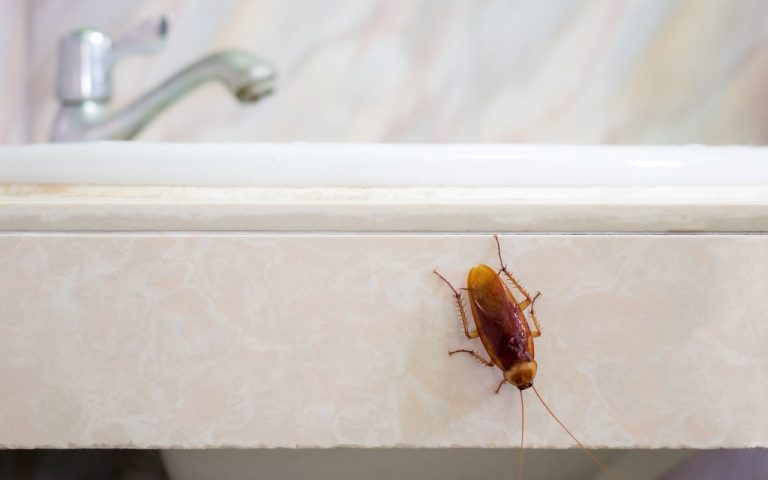
The bathroom, often considered a sanctuary of cleanliness, can paradoxically harbor a thriving roach population. These insects are drawn to the humidity concentrated in bathrooms, which provides the moisture necessary for their survival. Cracks in tiles, behind toilets, and inside cabinets are common concealment spots. Ensuring that leaks are promptly repaired and maintaining proper ventilation can significantly decrease the likelihood of these pests taking up residence.
3. Living Areas: The Overlooked Hideaways
Living rooms, while typically well-frequented, can harbor surprising hiding spots for cockroaches. Ideal locations often include dimly lit corners, beneath couches, and behind curtains. Clutter is a significant contributor to their comfort; stacks of papers, books, and boxes provide perfect shelters. Regular tidying and decluttering can create an inhospitable environment for these unwelcome guests.
4. Walls and Ceilings: The Apartment Tactic
In multi-unit buildings, cockroaches often exploit structural gaps and crevices within walls and ceilings to migrate between units. This makes understanding their behavior crucial for property managers and tenants alike. Dark recesses behind electrical outlets and wall voids are common hideaways. Implementing a preventative pest management strategy can curtail these unexpected invasions.
5. Basements and Crawl Spaces: The Forgotten Underground
Basements and crawl spaces provide a perfect sanctuary for roaches, offering both darkness and humidity. Often neglected in terms of maintenance, these areas may harbor leaks or other moisture sources, dramatically increasing their attractiveness to cockroaches. Regular inspections for leaks and ensuring proper drainage can prevent these areas from becoming breeding grounds for infestations.
6. Outdoor Areas: The Transition Zone
Interestingly, roaches also thrive outdoors, particularly in gardens, woodpiles, and trash receptacles. These areas can facilitate their movement into homes as they seek food and shelter. Keeping yards tidy, removing organic debris, and sealing exterior gaps can help deter their transition from outdoor habitats into the sanctuary of our homes.
7. Hidden in Plain Sight: Electronics and Appliances
Perhaps one of the more surprising hideouts for roaches includes electronics and appliances. The warmth generated by these devices, combined with the small, enclosed spaces they provide, can create an appealing environment. Areas such as behind microwaves or beneath refrigerators allow roaches to stay hidden while accessing food remnants. Regular cleaning behind and beneath these appliances is critical for spotting potential infestations.
In conclusion, the inquiry into where roaches hide unveils a deeper fascination with these creatures that have adapted to thrive in the most unexpected of places. Their remarkable ability to evade detection and establish residence in environments that one might not immediately associate with pests speaks to their tenacity and resilience. By understanding their hiding habits, homeowners can take proactive measures to minimize their presence. While the mere idea of cockroaches lurking in the shadows is unsettling, awareness and vigilance can transform our living spaces from vulnerable havens into inhospitable landscapes for these unwelcome inhabitants.











Leave a Comment