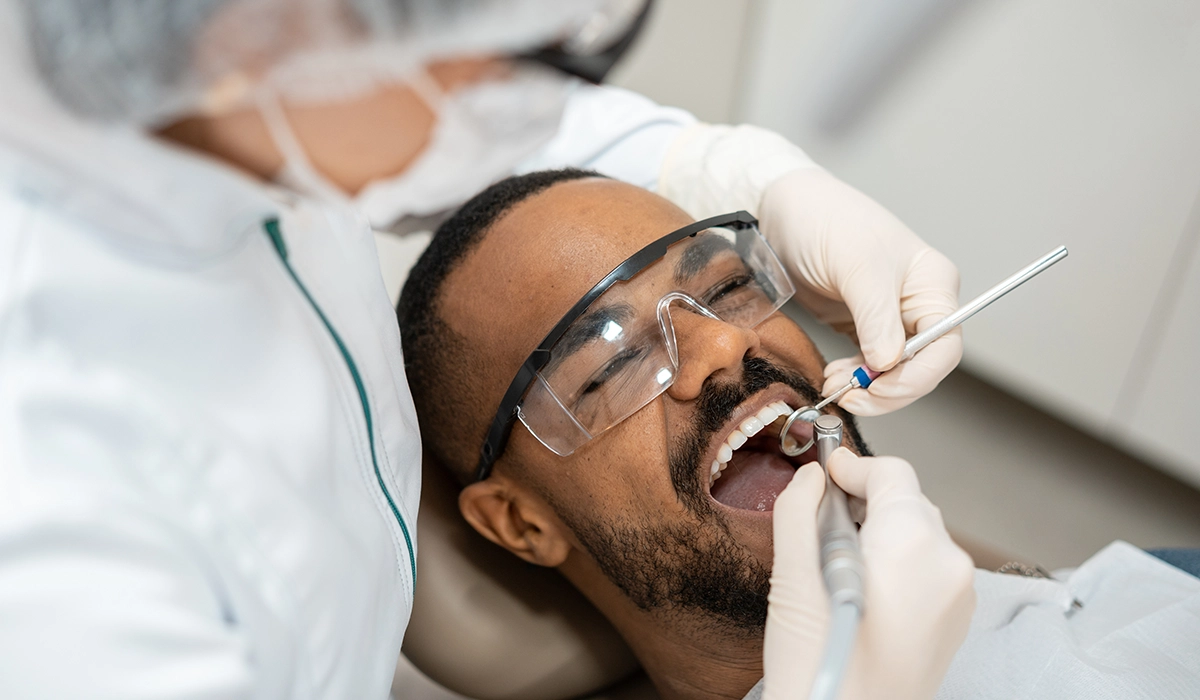
When pondering the intricacies of dental procedures, one might casually wonder, “Does removing wisdom teeth actually change face shape?” This question opens an amusing avenue of exploration, challenging us to consider the intricate interplay between oral health and facial aesthetics. While wisdom teeth extraction is often a necessary procedure to avert potential dental complications, such as crowding or impaction, many patients are left pondering the broader implications of such a surgical intervention on their visage.
To navigate this multifaceted topic, we will delve into the anatomical, cosmetic, and psychological dimensions of wisdom teeth removal. Each of these aspects intertwines to form a holistic understanding of the potential changes—both subtle and significant—that may arise.
Anatomical Considerations
Wisdom teeth, or third molars, typically emerge in late adolescence or early adulthood. They occupy the farthest reaches of the dental arch, nestled at the back of the mouth and often leading to various complications. When these teeth become impacted, they can exert pressure on adjacent teeth and alter the overall dynamics of the jaw.
Upon their extraction, it’s essential to consider how the removal influences the anatomical structure of the face. For some individuals, particularly those whose wisdom teeth were significantly impacted, extracting them can relieve pressure in the jaw. This relief may lead to a subtle retraction of the jawline, potentially inducing a more refined facial contour.
Impact on Facial Dynamics
One might question if the removal of these molars will provoke a transformation akin to the well-known concept of “jaw reshaping.” The answer is rather nuanced. For those with an already defined jawline, the changes post-extraction may be minimal. However, individuals with softer jawlines may notice a slightly more angular appearance over time.
Contracting muscles and adaptive responses post-extraction may encourage the jaw to reposition itself, subtly influencing how the entire face is perceived. It’s crucial to recognize that the human face is a complex mesh of muscle and bone, and even seemingly minor adjustments can reverberate throughout one’s facial profile.
Possible Cosmetic Changes
After the procedure, many patients report swelling and, sometimes, bruising in the immediate aftermath. These temporary changes may create an illusion of a modified jawline or face shape. As the healing progresses, any initial swelling subsides, revealing whether any residual adjustments have occurred.
Some individuals find that with the removal of wisdom teeth, their cheeks appear less full. This phenomenon is often the result of reducing the overall volume in the back of the jaw where the wisdom teeth resided. Thus, a previously rounder face may transition to a more elongated appearance after the procedure, particularly if there was notable crowding prior.
Psychological Aspects
The psyche plays a pivotal role in shaping one’s perception of self. To many, the journey into adulthood is humorously accompanied by the shared experience of wisdom teeth extraction. This cultural phenomenon cultivates an exaggerated perception—where a tale of mild discomfort turns into a rite of passage. Consequently, the psychological ramifications of removing wisdom teeth can lead individuals to project enhancements in their self-image.
Should patients feel that their facial aesthetics have improved after the procedure, they may exude increased confidence during social interactions, which can, in turn, alter how others perceive their facial structure. Self-esteem and self-perception can indeed impact the way one carries oneself, leading to subtle shifts in demeanor that contribute to an overall impression of shape and contour.
Long-Term Aesthetic Outcomes
Over the long term, other factors come into play regarding the aesthetics of the face. Aging, lifestyle choices, and inherent genetics orchestrate a symphony that dictates how one’s visage evolves. Hence, attributing any drastic changes in face shape solely to wisdom teeth removal may be misleading.
Nevertheless, patient testimonies abound, with some expressing delight in their rejuvenated appearances post-surgery. This anecdotal evidence can indeed spark curiosity—are these feelings stemming from actual changes, or are they merely the byproducts of heightened self-awareness following the procedure?
The Culinary Connection
Intriguingly, the dietary modifications that often follow wisdom teeth extraction further underscore the connection between oral health and facial structure. Patients typically gravitate toward softer foods during recovery. This shift can inadvertently lead to subtle changes in muscle usage over time, as the jaw adjusts to less strenuous chewing. Over an extended period, this might contribute to a nuanced change in facial strength, thereby affecting one’s appearance.
Conclusion
Ultimately, the whimsical inquiry surrounding the correlation between wisdom teeth removal and alterations in face shape presents a range of compelling considerations. While it’s plausible for certain changes to occur—nuanced shifts in jawline definition or facial fullness—it’s essential to remember that these are often embellished by societal perceptions and individual expectations.
In the grand tapestry of our facial aesthetics, wisdom teeth removal might introduce some changes, yet it is merely one stitch among many. As with most elements of beauty and perception, the answer may lie less in your dental history and more in your self-confidence and how you choose to embrace your unique features.








Leave a Comment