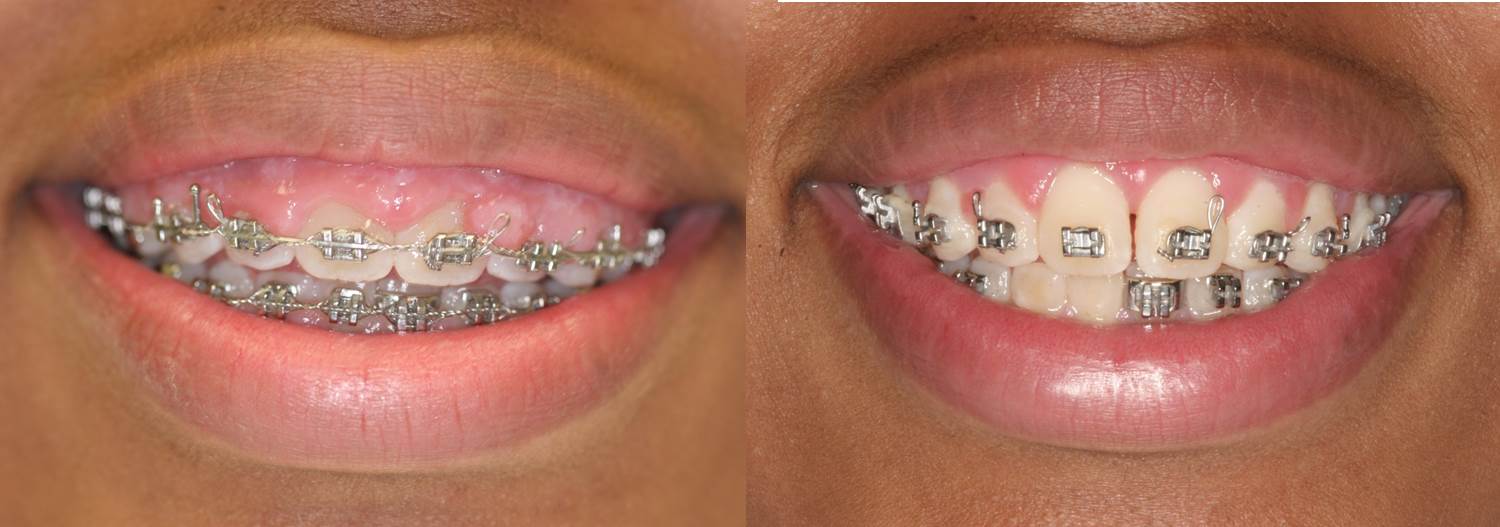
Have you ever noticed your gums feeling a bit tender or swollen after getting braces? The journey to a straighter smile doesn’t always come without its hurdles. In this exploration of the relationship between braces and gum swelling, we delve into common causes, effective management strategies, and when to consult a professional. The challenge lies not just in navigating discomfort, but in understanding the intricacies of your oral health during orthodontic treatment.
1. Understanding Braces:
Braces serve as an essential tool in orthodontics, designed to realign your teeth and improve overall dental function. The device consists of brackets, wires, and bands working in harmony to exert gentle pressure on your teeth, guiding them to their desired positions. However, this process doesn’t merely affect your teeth; it also influences the surrounding soft tissues, particularly the gums, which can lead to swelling.
2. Causes of Gum Swelling with Braces:
Gum swelling can often result from various sources, particularly in patients undergoing orthodontic treatment. Here are some key culprits:
- New Appliances: When braces are initially applied, or when adjustments are made, patients might experience inflammation due to the sudden pressure applied to teeth and gums.
- Poor Oral Hygiene: Braces can complicate oral hygiene routines, making it more challenging to remove plaque and food particles, leading to gingivitis.
- Dietary Changes: The introduction of new dietary habits while adjusting to braces, such as increased sugar consumption or soft foods, can also contribute to gum irritation.
- Allergic Reactions: Some individuals may have allergic reactions to materials used in braces, such as latex or metal, which can manifest as localized swelling.
3. Recognizing Symptoms:
Awareness of gum swelling signs is crucial for prompt intervention. Typical symptoms include:
- Red or inflamed gums that appear puffy
- Sensitivity or pain when brushing or eating
- Bleeding gums, especially during oral hygiene practices
- Persistent bad breath
Paying attention to these symptoms can be the difference between mild discomfort and more severe periodontal issues.
4. Preventive Measures:
Now that the potential challenges are outlined, let’s explore how to mitigate the risk of gum swelling:
- Maintain Exceptional Oral Hygiene: Regularly brushing and flossing are more critical than ever when you have braces. Utilize a soft-bristled toothbrush and consider orthodontic flossers or a water flosser to ensure plaque is removed effectively.
- Use an Antiseptic Mouthwash: Incorporating an antimicrobial mouthwash can help to reduce bacteria in the mouth, further preventing gum inflammation.
- Modify Your Diet: Opt for a diet rich in vitamins, particularly Vitamin C, which supports gum health. Limit sugary snacks that can contribute to plaque buildup.
5. Managing Existing Swelling:
If you find yourself battling gum swelling despite your best preventive efforts, consider these management strategies:
- Saline Rinse: A simple saltwater rinse can soothe swollen gums. Mix a teaspoon of salt in warm water and gargle several times a day.
- Cold Compresses: Applying a cold compress to the outside of your cheeks can reduce swelling and numb discomfort.
- Over-the-Counter Pain Relief: Non-steroidal anti-inflammatory drugs (NSAIDs) like ibuprofen can alleviate pain and inflammation.
6. When to Seek Professional Help:
Despite your best efforts, if gum swelling persists or worsens, it may be time to consult an orthodontist or dentist. Signs that warrant immediate professional intervention include:
- Severe pain or discomfort that is unmanageable with OTC medication
- Gum swelling accompanied by fever or systemic symptoms
- Persistent changes in bite or tooth positioning
- Signs of infection, such as pus or significant bleeding
7. The Importance of Follow-Up Appointments:
Regular follow-ups with your orthodontist are paramount. They not only monitor your braces’ effectiveness but also assess your gum health. These appointments provide an opportunity to address any concerns regarding discomfort or inflammation, ensuring a smoother experience.
In conclusion, while braces can pose challenges like gum swelling, proactive measures and vigilant care can significantly alleviate discomfort. Embracing a robust oral hygiene routine and maintaining open communication with your dental care providers are key to navigating this journey successfully. Remember, the path to a beautiful smile often encounters some bumps along the way, but staying informed and engaged can make all the difference.







Leave a Comment