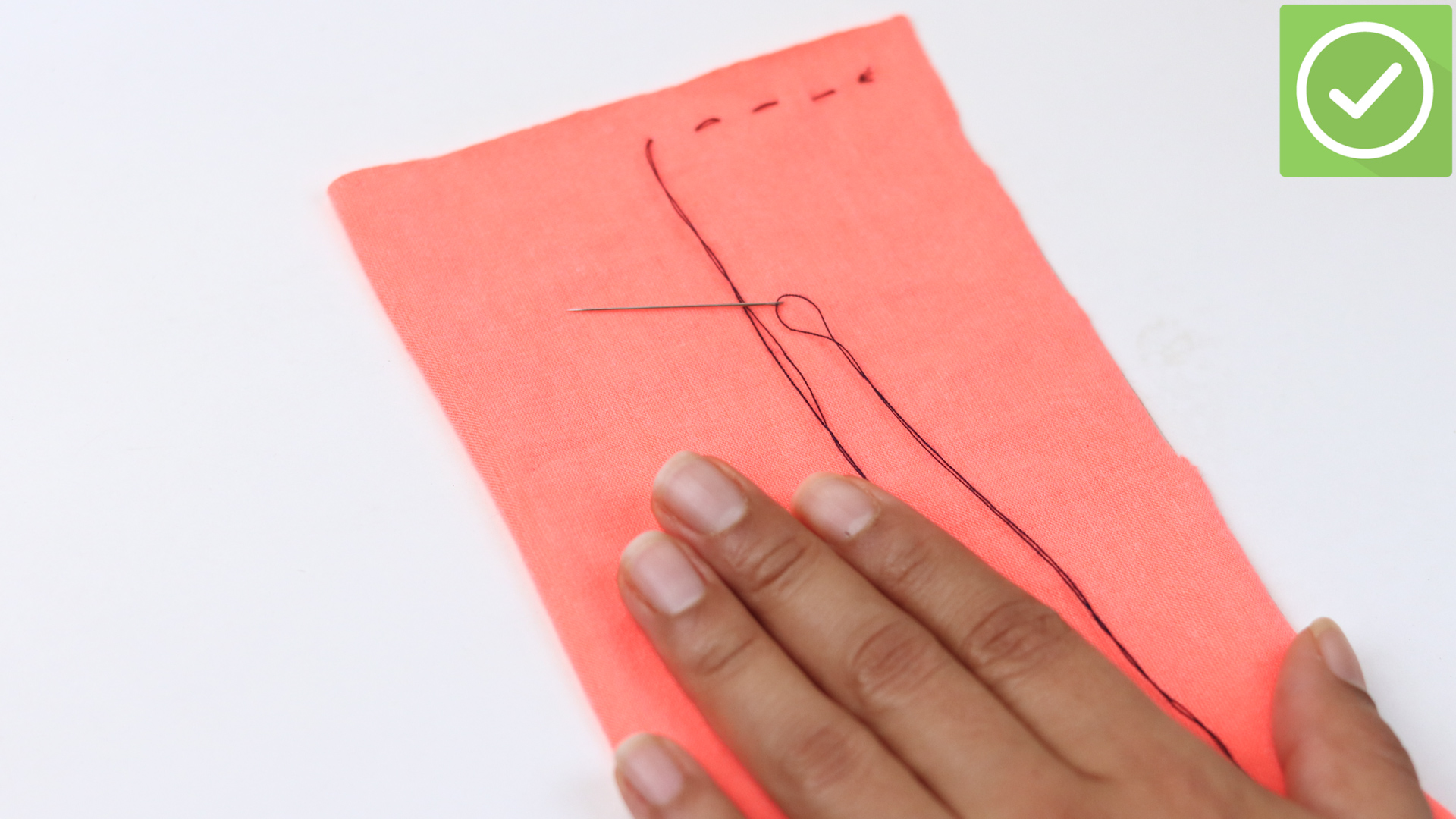
Imagine standing at the precipice of a creative endeavor, a tapestry of ideas woven together in the delicate dance of craftsmanship. Each stitch you’ve taken narrates a tale, yet, like every art form, a graceful exit is as crucial as a compelling entrance. In the world of needlework, concluding a stitch is not merely an act—it’s a nuanced whisper, a soft fade into silence that leaves a lasting impression. Here’s a streamlined guide on how to gracefully end a stitch, transforming your fabric into a finished masterpiece.
1. Assessing Your Creative Journey
Before embarking on the final steps, take a moment to evaluate where your fabric has traveled. This phase reminds us to reflect on our methods and materials before sealing the deal. Have you achieved the texture you envisioned? Are the colors harmonizing as they should? This introspection ensures you will not just end a stitch, but rather, conclude a narrative.
2. Thread Selection: The Unsung Hero
Choosing the right thread to cap your creation holds immense significance. It’s akin to the last brushstrokes on a vibrant canvas. Opt for a thread that complements your fabric’s weight and texture. The thickness, fiber content, and color should resonate with the overall fabric symphony you’ve orchestrated. Coarse threads on delicate fabric may disrupt the balance, while fine threads on thick textiles may render an ineffective finish. Verify cohesion as you prepare to conclude.
3. Securing Your Stitch: The Art of Knotting
As you approach the end, the knot becomes your steadfast companion. Imagine it as a final embrace, securing years of craftsmanship into a compact, durable package. To tie a simple knot: wrap the end of the thread around your fingers and create a loop. Thread the end through the loop and pull gently but firmly. A double knot provides added security—ideal for pieces subject to wear. However, ensure your knots are discreet, much like an artist hiding their signature in the folds of a painting.
4. The Importance of Backstitching
In the realm of sewing, backstitching is akin to penultimate chapters in a gripping novel. It reinforces your work, fortifying it against the vagaries of time and use. Retrace your last few stitches in reverse just before tying off. This not only imbues your piece with additional stability but also adds an exquisite layer of complexity. The backstitch becomes a whispered promise: the piece will endure through the ages.
5. The Pinch and Pull Technique
Introducing the pinch and pull technique—a method that ensures the proverbial cherry atop your masterpiece remains perfectly positioned. Gently pinch the thread where it meets the fabric, creating a soft tension, and pull the thread until you form a snug finish. This subtle maneuver offers a seamless transition between your stitching and the fabric, enriching the visual delight with a polished essence.
6. Concluding with a Sense of Finality
To take your concluding steps seriously is to understand the reverberations of your craftsmanship. With a delicate warmth, pull the thread through the final stitch, gently yet decisively snipping away the excess. Leave a tail long enough—approximately five millimeters—before severing to ensure your threads don’t unravel prematurely. This action signifies closure, much like a final chord in a symphony’s crescendo.
7. Press and Finish: The Last Flourish
As any artist knows, presentation is paramount. After concluding your stitch, consider pressing your work with an iron to eliminate any lingering creases. This last flourish reveals the authentically polished form of your piece, where each stitch stands proud. Like a sculptor revealing their statue from the marble, the warmth of the iron will resurrect the vitality hidden within the fibers.
8. Reflecting on Your Masterpiece
Once the last stitch is tied and the iron has worked its magic, step back and admire your handiwork. This moment is akin to an author re-reading the final chapter before submission. Each element has been thoughtfully crafted, each stitch a note in a larger symphony. Reflection not only highlights the journey taken but also opens the door to further creative explorations—what comes next in your artistic saga?
9. Care and Maintenance for Longevity
Finally, to ensure the longevity of your masterpiece, address its maintenance with care. Store your work in a cool, dry environment, away from direct sunlight, which can fade colors and weaken fibers. Regularly check your fabric for wear—the value of preventive care is immeasurable for preserving the fruits of your labor. Just as a prized book is cherished on a shelf, your fabric deserves its sanctuary.
In summation, to end a stitch is more than a simple act; it encapsulates a holistic experience that intertwines creativity, technique, and reflection. Each final knot and each precise cut not only signals the conclusion of a creative journey but also prepares the grounds for the next adventure—each stitch, like words in a story, adds depth and meaning. So, as you conclude your work, remember that this is not merely an end, but the beginning of a new chapter in your artistic exploration.






Leave a Comment